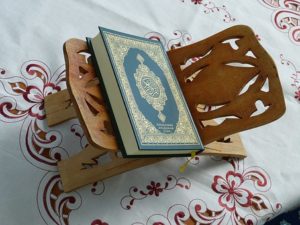
When Was the Quran Written? Timeline of Revelation, Writing & Compilation

When Was the Quran Written? Timeline of Revelation, Writing & Compilation

Focus keyword: When was the Quran writtenWhen people ask โ€œWhen was the Quran written?โ€ they can mean two slightly different things:
  • When was it revealed? (from a religious, Islamic perspective)
  • When was it written down and compiled? (from a historical or textual perspective)
This article explains both perspectives clearly and respectfully, giving you a simple timeline of how the Quran went from revelation to written book.

1. Short Answer: When Was the Quran Written?

StageApproximate Date (CE)What Happened?
Revelation period610โ€“632Muslims believe the Quran was revealed by God to Prophet Muhammad over about 23 years, starting in Mecca and continuing in Medina.
During the Prophetโ€™s lifetime610โ€“632Verses were memorized widely and written down in parts on various materials, but were not yet one bound volume.
First collectionc. 632โ€“634Under the first caliph Abu Bakr, the Quran was collected into a single manuscript from written pieces and memorizers.
Standardized written textc. 650Under the third caliph Uthman ibn Affan, a standardized written version (codex) was produced and sent to major Muslim regions.
So, in short: the Quran was revealed between 610โ€“632 CE, and it was fully compiled and standardized in written form within about 20 years of the Prophetโ€™s death.

2. Islamic Perspective: The Quran Was Revealed, Not โ€œAuthoredโ€

According to Islam, the Quran is not a book that any human sat down to write. Instead, Muslims believe:
  • God (Allah) is the author of the Quran.
  • The Quran is the literal word of God, not human ideas about God.
  • It was revealed to the Prophet Muhammad by the Angel Gabriel (Jibreel).
  • The Prophet recited the revelations to his followers (companions), who memorized and wrote them down.
From this perspective, asking โ€œWhen was the Quran written?โ€ is really asking: When was the Quran revealed and then preserved in writing?

3. Revelation Timeline: 610โ€“632 CE

Muslim tradition gives a clear timeline for when the Quranโ€™s revelation started and ended.
PeriodLocationKey Features of Revelation
First revelation (around 610 CE)Cave of Hira, near MeccaProphet Muhammad receives the first verses (traditionally from Surah al-โ€˜Alaq) and is commissioned as a Prophet.
Meccan period (610โ€“622 CE)MeccaRevelations focus on Godโ€™s oneness, the afterlife, moral teachings, and comforting the small early Muslim community.
Medinan period (622โ€“632 CE)MedinaRevelations include laws, ethics of war and peace, social rules, family law, and community organization.
End of revelation (632 CE)MedinaWith the Prophetโ€™s passing, Muslims believe the Quranic revelation is complete and final.
During these years, the Quran existed primarily as a living, recited textโ€”on the tongues and in the hearts of the believersโ€”while also being written in fragments.

4. How Was the Quran Written During the Prophetโ€™s Lifetime?

The Prophet Muhammad himself is described in Islamic sources as unlettered (not a writer in the usual sense), but he had several companions who served as scribes of revelation.
  • When verses were revealed, he would recite them to his companions.
  • Some companions would memorize the verses immediately.
  • Others would write them down on:
    • Parchment or leather
    • Flat stones
    • Shoulder blades / bone fragments
    • Palm leaves
The Prophet is said to have given instructions on:
  • Where each new verse belongs (which chapter/surah)
  • Order of verses within chapters
By the time he passed away in 632 CE:
  • The entire Quran had been revealed.
  • Many companions had memorized all or most of it.
  • All of it existed in written pieces, but not yet as one bound book.

5. When Was the Quran First Compiled as a Book?

5.1 First Collection Under Caliph Abu Bakr (c. 632โ€“634 CE)

After the Prophetโ€™s death, early Muslims faced battles where many Quran memorizers were killed. To preserve the text, the first caliph Abu Bakrโ€”on the advice of companionsโ€”ordered a formal collection.
  • Zayd ibn Thabit, a key scribe, was tasked with collecting the Quran from:
    • Written fragments
    • Peopleโ€™s memories
  • He reportedly required strong evidence (both written and memorized) before accepting verses into the main collection.
  • This early compiled manuscript was kept with:
    • Abu Bakr
    • Then the second caliph, Umar
    • Then Umarโ€™s daughter, Hafsa (who was also one of the Prophetโ€™s wives).

5.2 Standardization Under Caliph Uthman (Around 650 CE)

As Islam spread to new regions, differences in dialect and recitation style began to appear. To prevent confusion or dispute, the third caliph Uthman ibn Affan ordered a standardized written version.
  • A small committee, again including Zayd ibn Thabit, prepared a standard codex using Hafsaโ€™s manuscript and other sources.
  • Multiple copies of this standard text (muแนฃแธฅaf) were produced and sent to major centers of the Muslim world.
  • Other unofficial written copies were reportedly set aside or destroyed to avoid conflicting versions.
LeaderApprox. Date (CE)Role in the Quranโ€™s Written History
Prophet Muhammad610โ€“632Receives revelation and recites the Quran; companions memorize and write it in parts.
Abu Bakr (1st Caliph)632โ€“634Orders first collection into a single manuscript after many memorizers are killed in battle.
Umar (2nd Caliph)634โ€“644Preserves the collected manuscript; after his death, it is kept by his daughter Hafsa.
Uthman (3rd Caliph)644โ€“656Standardizes the consonantal text, sends official copies to key cities, and unifies the written Quran.
This Uthmanic codex is the basis of all printed Qurans used in the world today, although there are recognized canonical recitation styles (qirฤโ€™ฤt) that exist within this framework.

6. Summary: Full Timeline of When the Quran Was Written

EventDate (Approx.)What It Means for โ€œWhen the Quran Was Writtenโ€
Beginning of revelation610 CEThe Quran begins to be revealed and recited; first verses appear.
End of revelation632 CEThe entire Quran has been revealed, memorized, and written in parts, but not as one book.
First compiled manuscriptc. 632โ€“634 CEAbu Bakr orders one collected manuscript based on all sources (memorizers and written pieces).
Standardization of the textc. 650 CEUthman produces standardized copies and sends them across the Muslim world; this becomes the reference text.
So if someone asks โ€œWhen was the Quran written?โ€, a concise but accurate answer is:
The Quran was revealed between 610 and 632 CE, and it was fully collected and standardized in written form by around 650 CE under the early caliphs of Islam.

7. FAQ: Common Questions About When the Quran Was Written

7.1 Was the Quran written during Prophet Muhammadโ€™s life?

Yes and no. Yes, in the sense that it was written down in pieces and widely memorized during his life. No, in the sense that the Quran was not yet compiled as a single book in the way we have today.

7.2 Who actually wrote the Quran down?

Muslims believe the Quranโ€™s author is God, not any human. However, human scribes wrote it down. Companions like Zayd ibn Thabit and others served as scribes and later as compilers, while numerous companions memorized the entire text.

7.3 Is the Quran considered fully preserved?

In Islamic theology, yes. Muslims believe that the Quran we have today is the same text revealed to the Prophet Muhammad, preserved through memorization, writing, and early standardization.

7.4 What do historians say about when the Quran was written?

Most historians agree that the Quran is a 7th-century text connected to the Prophet Muhammad and the early Muslim community, and that its written form was stabilized by the mid-7th century (around 650 CE). Academic debates focus on details of how exactly the text was transmitted and standardized, but they generally place the Quranโ€™s written consolidation very close in time to the events it describes compared to many other ancient scriptures.

8. Conclusion: Understanding โ€œWhen Was the Quran Writtenโ€

To answer โ€œWhen was the Quran written?โ€ accurately, it helps to separate:
  • Revelation: 610โ€“632 CE โ€” Muslims believe the Quran was revealed by God to Muhammad in this period.
  • Early writing and memorization: 7th century โ€” Companions memorized and wrote the Quran during and soon after the Prophetโ€™s life.
  • Compilation and standardization: 632โ€“650 CE โ€” The first caliphs collected and unified the text into the form used worldwide today.
This way you can give a short, clear, and historically grounded answer, while also respecting what Muslims themselves believe about their holy book.โฌ† Back to top

Who Wrote the Quran? History, Beliefs, and Compilation Explained

Who Wrote the Quran? History, Beliefs, and Compilation Explained


Short answer: According to Islamic belief, no human being wrote the Quran. Muslims believe the Quran is the literal word of God (Allah), revealed to the Prophet Muhammad ๏ทบ through the Angel Gabriel. The Prophet then recited these verses to his followers, who memorized them and wrote them down. After his death, these revelations were collected and compiled into the book we now call the Quran.

This article explains, in a balanced and SEO-friendly way:

  • Who โ€œwroteโ€ the Quran according to Islamic belief
  • How the Quran was revealed, memorized, and written down
  • The role of early caliphs like Abu Bakr and Uthman
  • How this differs from modern academic / historical views

1. The Core Islamic Belief: Who Wrote the Quran?

In Islam, the Quran is not seen as a book that a person โ€œsat down and wrote.โ€ Instead, the belief is that the Quran is:

  • The eternal word of God (Allah)
  • Revealed to Prophet Muhammad ๏ทบ over about 23 years (610โ€“632 CE)
  • Delivered by the Angel Jibreel (Gabriel)
  • Recited by the Prophet to his companions
  • Memorized and written by many of those companions
AspectIslamic View
AuthorAllah (God) โ€“ not a human author.
MessengerProphet Muhammad ๏ทบ โ€“ receives and recites, not โ€œwriterโ€ in the modern sense.
MediumAngel Jibreel (Gabriel) brings revelation from God to Muhammad.
First audienceThe Prophetโ€™s companions in 7th-century Arabia, who memorize and write verses.
Final formCollected and standardized text during the early caliphates (Abu Bakr, Uthman).

So when a Muslim is asked, โ€œWho wrote the Quran?โ€, the religious answer is usually:

โ€œGod revealed the Quran; the Prophet Muhammad delivered it; his companions preserved and compiled it.โ€

2. How the Quran Was Revealed: A Simple Timeline

From an Islamic historical perspective, the Quran came in stages, not all at once.

PeriodWhat Happened?
610 CEFirst revelation in the cave of Hira near Mecca (Surah al-Alaq 96:1โ€“5, according to Islamic tradition).
610โ€“622 CE (Meccan period)Revelations focus on monotheism, ethics, afterlife, and early community building.
622โ€“632 CE (Medinan period)Revelations include law, social rules, warfare ethics, and community life in Medina.
632 CEProphet Muhammad ๏ทบ passes away. Muslims believe revelation is now complete.

During this time, verses were:

  • Memorized by many companions (แธฅuffฤแบ“)
  • Written on palm leaves, bones, leather, and other materials
  • Recited regularly in prayers and gatherings, reinforcing memory

3. Who Compiled the Quran? Abu Bakr, Uthman, and the Early Scribes

While Muslims believe the source of the Quran is God, the physical compilation into a single book took place after the Prophetโ€™s death, under the leadership of the early caliphs.

3.1 First Collection under Abu Bakr

According to traditional Islamic sources:

  • After battles in which many memorizers of the Quran were killed, the caliph Abu Bakr was advised to collect the Quran into one manuscript.
  • The companion and scribe Zayd ibn Thabit was tasked with collecting written pieces and verifying them against living memorizers.
  • This collection was kept with Abu Bakr, then Umar, then Hafsa (a wife of the Prophet).

3.2 Standardization under Uthman

Later, during the caliphate of Uthman ibn Affan, variations in recitation and dialect among different regions became a concern. Uthman is traditionally said to have:

  • Commissioned a small committee (again including Zayd ibn Thabit) to produce a standard written copy.
  • Sent these standard codices (muแนฃแธฅaf) to major cities of the Muslim world.
  • Asked that other personal copies and partial collections be set aside or destroyed to avoid confusion.
CaliphRole in the Quranโ€™s Compilation
Abu BakrOversaw the first collection of Quranic material into one manuscript after the Prophetโ€™s death.
UmarSupported and preserved the collection, later passed to his daughter Hafsa.
UthmanStandardized the text, produced official copies, and unified the written form to avoid disputes.
Zayd ibn Thabit & other scribesActed as scribes and compilers, carefully writing, verifying, and comparing sources.

4. Islamic Belief vs. Academic Scholarship: Different Perspectives

Itโ€™s important to distinguish between:

  • Faith-based (theological) explanations from within Islam
  • Historical-critical / academic explanations from modern scholarship
QuestionIslamic Theological ViewAcademic / Historical View (Varies)
Who is the author?Allah (God) โ€“ the Quran is divine revelation.Some see the text as emerging from the preaching of Muhammad in 7th-century Arabia; others debate more complex origins.
Role of MuhammadMessenger and final Prophet; he recites what is revealed, not a human author.Viewed as a religious leader and likely primary human transmitter, though details are debated.
CompilationCollected faithfully by companions; standardized under Uthman without changing divine content.Studied as a process of collection, editing, and canonization over time; scholars analyze manuscripts, styles, and history.
ReliabilityConsidered perfectly preserved word of God.Evaluated using methods from history, philology, and textual criticism.

For believers, the central point is revelation and preservation. For scholars, the focus is often how the text took its written form in history. Both conversations exist side by side, but they answer slightly different questions.


5. FAQ: Common Questions About Who Wrote the Quran

5.1 Did Prophet Muhammad write the Quran?

According to Islam: No. The Prophet Muhammad ๏ทบ is the recipient and messenger of the Quran, not its human author. Muslims believe he conveyed Godโ€™s words exactly as received.

5.2 Was the Quran written during the Prophetโ€™s lifetime?

Yes, but not as one bound book. Verses were:

  • Memorized widely
  • Written down on various materials
  • Arranged and recited under the Prophetโ€™s guidance

The later caliphs then collected these writings and memories into a single, standardized manuscript.

5.3 Who physically wrote the Quran down?

Several scribes from among the Prophetโ€™s companions wrote revelations as they were recited. Famous names include Zayd ibn Thabit, along with others who served as writers of revelation. They did not โ€œcomposeโ€ the text, but recorded what the Prophet recited.

5.4 Is there only one version of the Quran?

In mainstream Islam, there is believed to be one Quran, though there are recognized qirฤโ€™ฤt (canonical modes of recitation) that differ slightly in pronunciation and some minor wording, all accepted within Islamic tradition. The written consonantal text standardized under Uthman is viewed as the common base.


6. Conclusion: So, Who Wrote the Quran?

How you answer โ€œWho wrote the Quran?โ€ depends on your perspective:

  • For Muslims: The Quran is authored by God, revealed to Muhammad, preserved by his companions, and compiled by early Muslim leaders without human authorship in the usual sense.
  • For historians: The Quran is a 7th-century Arabian text linked to Muhammad and the early Muslim community, studied through manuscripts, language, and history.

Both views agree that the Quran is deeply connected to Muhammad and early Islam. They differ on whether the ultimate source is divine revelation or a human religious movement.

If youโ€™re writing for a general audience, itโ€™s usually best to:

  • State clearly what Muslims believe
  • Mention that academic perspectives exist and often differ
  • Be respectful toward religious sensitivities while being honest about history and scholarship

โฌ† Back to top


Category: Religion / History / Islam Tags: #Quran #Islam #IslamicHistory #WhoWroteTheQuran

The Arrival of the Greatest Messenger ๏ทบ

The Arrival of the Greatest Messenger ๏ทบ

In the name of Allah, the Most Gracious, the Most Merciful

All praise belongs to Allah, the Lord of all the worlds. Peace and blessings be upon the leader of all messengers, Muhammad ๏ทบ, and upon his family and companions.

I seek protection in Allah from the accursed devil. In the name of Allah, the Most Gracious, the Most Merciful:

“Surely Allah has bestowed a great favor upon the believers when He sent to them a messenger from among themselves.”
โ€” [Surah Aal-e-Imran: 164]

Dear audience, today I wish to express my heartfelt emotions and love for Prophet Muhammad ๏ทบ.

Those who love Prophet Ahmad ๏ทบ fall into prostration of admiration. Those who truly recognize his greatness bow in reverence to him. The day of his blessed birth was the day when the call of “La ilaha illallah” (There is no god but Allah) echoed with new vigor. Even the walls of the Kaโ€™bah trembled with awe. The idols were brought down. The house of darkness turned into a place of divine light.

Even today, hearts filled with faith bow in gratitude whenever the Prophet ๏ทบ is remembered. Those with the purity of the soul, those who feel the pain of oppression, and those whose hearts are alive with love, cannot help but be moved when they hear the mention of the beloved Prophet ๏ทบ.

Respected listeners, before speaking more on the arrival of the Prophet ๏ทบ, it is important to clarify something. It is not only appropriate but essential that we understand this: If Allah had not sent the Prophet ๏ทบ, there would have been no value to the entire creation. He ๏ทบ is the crown of existence, the pride of humanity, and the essence of all virtues.

Each and every time, when we hear his name, our hearts should tremble with love and our eyes should fill with tears.

ุงู„ู„ู‘ู‡ูู…ู‘ูŽ ุตูŽู„ูู‘ ุนูŽู„ูฐู‰ ุณูŽูŠูู‘ุฏูู†ูŽุง ูˆูŽู…ูŽูˆู’ู„ูŽุงู†ูŽุง ู…ูุญูŽู…ู‘ูŽุฏู ู…ูŽุนู’ุฏูู†ู ุงู„ู’ุฌููˆู’ุฏู ูˆูŽุงู„ู’ูƒูŽุฑูŽู…ูุŒ ูˆูŽุงู„ู’ุนูู„ู’ู…ู ูˆูŽุงู„ู’ุญูู„ู’ู…ู ูˆูŽุงู„ู’ุญููƒู’ู…ูŽุฉู

โ€œO Allah, send peace and blessings upon our leader and master Muhammad ๏ทบ, the source of generosity and grace, of knowledge, patience, and wisdom.โ€

Dear audience, even today, no matter how much I try to express the greatness of the Prophet ๏ทบ, it will still fall shortโ€”because todayโ€™s gathering is far greater in honor than any words can truly capture.


The arrival of the Great Messenger

In the name of Allah, the Merciful

The arrival of the Great Messenger

Praise be to God, the Lord of the Worlds, and prayers and peace be upon the Lord of the Messengers, and upon his family and companions.

So, seek refuge in Allah from Satan the Merciful. In the name of Allah, the Most Gracious, the Most Merciful. Indeed, Allah and the believers have sent among them a Messenger (Aal-e-Imran (164/4)


Esteemed gentlemen! Before explaining anything about the verse that I have recited, I think it is not only better and more appropriate, but also necessary that we and you together in the court of the Holy Prophet, peace and blessings of Allah be upon him, sprinkle the blessings and salutations and recite them aloud. May Allah, peace and blessings be upon him, be upon our master and Maulana Muhammad, the source of all goodness and generosity, the source of knowledge, wisdom and wisdom.

Gentlemen dear! No matter how much I praise my destiny today, it is less because today A student like me is getting the opportunity to pay homage in this court where even the crowned heads of science and art are afraid to open their lips.

But gentlemen, all this is the result of the blessings and prayers of our compassionate teachers that I am daring to speak something in your service. If I make any mistake, please forgive me and pray for my success.

The translation of the holy verse that I have had the honor of reciting is as follows.

Indeed, Allah has done a great favor to the Muslims that He sent a Messenger from among them. (Kanz-ul-Iman)


Valuable elders and companions! Millions of thanks to the Almighty Lord

It is a favor that He has enriched us and you with countless blessings. What blessings should be mentioned? Wherever you look, you will see the glory of His blessings. The sky is His blessing, the earth is His blessing, the air is His blessing, water is His blessing, food is His blessing, grains are His blessing, the moon is His blessing, the sun is His blessing, the body is His blessing, the soul is His blessing, the Quran is His blessing, and faith is His blessing.

Gentlemen! What is the chance for humans to count His blessings? Allah, the Almighty, Himself says.

And if you count the favors of Allah, you will never be able to count them. (14, verse (18)) But look at the generosity of the Lord of the worlds. He has not bestowed upon His servants any favor other than these countless favors. For example,

He has bestowed upon them intelligence, knowledge, and art, but He has not bestowed uponย themย anyย favor.


The canopy of the sky

was put up

but

did not

express kindness

The floor of the earth

was laid but

did not express kindness

The rain fell from the sky

but

the earth

made

grow

and

did not

express kindness

but He gave eyes but did not show kindness

He gave sight to the eyes but did not show kindness

He gave hearing to the ears but did not show kindness

He gave speech to the tongue but did not show kindness

He gave the hand the ability to grasp

but did not show kindness

He gave the feet the ability to walk

but did not show kindness

In short, Allah Almighty created humans but did not show kindness.

Gentlemen, in the same way, Allah Almighty showed great kindness by sending the prophets into the world for the guidance of people, but the Lord of the worlds did not say anywhere, O people!

I sent Adam as a Safi Allah, therefore I showed kindness to you

I sent Noah as a Najib Allah, therefore I showed kindness to you

I sent Abraham as a Khalil Allah, therefore I showedย kindnessย toย you


I sent Ismail as a sacrifice of Allah, so I did a favor to you

I sent Moses as the Kalimullah

So I did a favor to you

And I sent Jesus as the Spirit of Allah, so I did a favor to you

But gentlemen! When it was intended to mention the Crown Prince of Medina. The Mukhtar of both worlds. The Sovereign of eternity. The Intercessor of the Day of Judgment and the Helper of the Ummah, the Lord of the Worlds said in the Holy Quran. Indeed, Allah raised the flag of the greatness of the government. Showing his favor on the arrival of the Holy Prophet (peace and blessings of Allah be upon him), He distinguished and raised him among all creation. Therefore, the Supreme Authority says:

The first and the highest of all, our Prophet, who is above reason, our Prophet, the beloved of his Master, our Prophet, the bridegroom of both worlds, our Prophet, what news? How many stars have appeared and hidden, but our Prophet, respected elders, did not sink or sink! It may come to someone’s mind that Allah Almighty has not expressed gratitude for any other blessing among His countless blessings but only for the arrival of the government. Why is this so?

So the reason for this is that Allah Almighty wants to impress this fact on the hearts and minds of the people of the world, especially the believers, that all the blessings of the world have their place and the greatness of my beloved has its place. Do not consider them like other blessings of the world. They are being mentioned specifically so that you can understand their greatness and estimate their value and status. Make your chest a Medina with their love. This is the ascension of your life and therein lies the secret of your success.

Dear listeners! And why should we not express gratitude that everything is due to the government’s charity. If the birth of the government had not been intended, the universe would not have existed. This earth and time, this place and place, this morning and evening, the sun and the moon, these leaves and fruits, these trees and stones, all of them belong to theย Holyย Prophet.


A charity. In this regard, there is a hadith qudsi. If it were not for you, I would not have created the heavens and the earth. O beloved! If it were not for the purpose of creating you, I would not have created the earth or the heavens. That is why the Reviver of Religion and Nation, His Highness, says:

Earth and time, make for you a dwelling and a place for you, this and that The sobs of the oppressed have turned into smiles. Women have found a dignified place and girls have become a message of goodness and blessings.

Dear Sirs! The blessed feet of the Prophet turned the dust into the sun and the slaves into Imams. Who can describe his praise and esteem? What am I and how much is my knowledge? Let us together attend the court of the crowned masters of science and art and see what they say.

While mentioning the beauty of the government, Dr. Iqbal says.

Is it fair to compare it to the moon? The moon has a stain and its face is clean?

The Grand Mufti of India, may God have mercyย onย him,ย says:

How can anyone describe the beauty of this beloved Anwar, whose face is in the veil, whose face is on the Throne of the Almighty, then mine, the blood of Abrar flows, in which I have been stung by the sting of my government and government, Mujaddid-e-Azam (may Allah have mercy on him) says.

That perfect beauty is the one where there is no doubt of imperfection, this flower is far from thorns, this candle is not smoke, and Mujaddid-e-Azam (may Allah have mercy on him) says, interpreting the words of Hazrat Jibril (peace be upon him).

He said the same thing: I have sifted the plates of the garden of Sidra, but I have not found the feet of you, I have made you one by one

Who can praise the face of the Prophet whose feet Gabriel could not find a match for?

Respected gentlemen! We and you are very fortunate that we are sitting in the gathering of the government. We are listening to and reciting your remembrance. May Allah be sacrificed for the greatness of this gathering which was not organized by us alone, you alone, which was not organized by the people of the city alone, the people of the villages alone, the people of the east alone, the people of the west alone, the people of the north alone, the people of the south alone, which was not organized by the elders alone, the poets alone, the scholars alone, the noble ones alone, the saints alone, the saints alone, the saints alone, the holy gathering which was not organized by the prophets and messengers alone, but this is the holy gathering which was organized and supervised by the Creator of the universe himself. Therefore, this gathering is very holy and blessed.

Dear Sirs! Organizing Bazm Milad is such an act that makes the Government of Madinah, the heart and chest of the Holy Prophet (peace and blessings of Allah be upon him), happy and with which the Governmentย isย happy.


This pleases the Lord. Hazrat Sayyiduna Ibn Nuโ€™man (may Allah have mercy on him) says that he visited the Holy Prophet (peace and blessings of Allah be upon him) in a dream and asked him:

O Messenger of Allah (peace and blessings of Allah be upon him) do you like to celebrate the birth of the Holy Prophet (peace and blessings of Allah be upon him) every year? He (peace and blessings of Allah be upon him) said, โ€œWe are also happy with what pleases us.โ€ (Tazkirat al-Waโ€™izeen)

Undoubtedly, the arrival of the government is the greatest blessing of the Almighty God for us, therefore, it is our religious and moral duty to appreciate this great blessing. Discussing its greatness is a requirement of our love and faith. Those who frown upon seeing the arrangement of this gathering are actually in bondage, and their love is tainted. The desire of a sincere lover and lover of the Prophet should be what the Imam of Ahle Sunnah has expressed in this way.

Let the enemy burn, but we are pleased

As long as I have breath, we will continue to tell the story of His remembrance

Dear listeners! Religious books are full of the blessings and virtues of the gathering of remembrance of the birth. For all these details, contact the scholars. I will end my talk by saying that such gatherings are showered with the blessings of God. Those who participate in them, their religious and worldly troubles are removed and they are blessed with peace, well-being and comfort in both worlds. May the Lord of the worlds admit us and you into the houses of praise of His beloved and enrich us with the happiness of the worlds. Amen, then Amen.

And finally, we call upon you that praise be to God, Lordย ofย theย worlds.


The Arrival of the Greatest Messenger ๏ทบ

In the name of Allah, the Most Gracious, the Most Merciful

All praise belongs to Allah, the Lord of all the worlds. Endless peace and blessings be upon our beloved Prophet Muhammad ๏ทบโ€”leader of all messengersโ€”and upon his family and companions.

Allah says in the Holy Qurโ€™an:
“Indeed, Allah has done a great favor to the believers by sending them a Messenger from among themselves.”
(Surah Aal-e-Imran, 3:164)

Dear brothers and sisters, today we are gathered to talk about the most beautiful and most honored person to ever walk this Earthโ€”our beloved Prophet Muhammad ๏ทบ.

His blessed birth was not just a moment in time. It was the light that removed the darkness of disbelief. It was the day when the Kaโ€™bah witnessed its idols fall, and the cry of “La ilaha illallah” rose in the air with power and truth.

Even today, the hearts of believers tremble with love and tears come to their eyes when the Prophet ๏ทบ is mentioned. Why? Because he is not just a man of history. He is the mercy for all of creation.

The Qurโ€™an, the gift of Islam, the beauty of salah, the dignity of women, the rights of the weakโ€”all these blessings reached us because of the Prophet ๏ทบ. Without him, there would be no Islam, no guidance, and no light in this world.

Allah created many blessingsโ€”the sun, moon, earth, sky, water, air, body, soulโ€”but never mentioned them as a favor. But when He sent the Prophet ๏ทบ, He clearly said:
“Indeed, I have done you a favor.”

This shows how special and beloved the Prophet ๏ทบ is to Allah.

Allah sent many prophets before himโ€”Adam (Safiyullah), Nuh (Najiyullah), Ibrahim (Khalilullah), Musa (Kalimullah), and Isa (Ruhullah)โ€”but Allah never said, โ€œI did you a favor by sending them.โ€ Only for Prophet Muhammad ๏ทบ did He say it.

Why? Because all blessings are through him. In a Hadith Qudsi, Allah says:
“If not for you (O Muhammad), I would not have created the universe.”

This means the entire creationโ€”earth, sky, stars, and even time itselfโ€”exists because of the Prophet ๏ทบ. His coming is the biggest blessing we could ever receive.

He is the helper of the poor, the hope of the helpless, the one who turned slaves into leaders, and the one who gave dignity to women and children.

He ๏ทบ changed the world. Oppression turned into justice. Ignorance turned into knowledge. His feet touched the earth, and it became noble.

Dear listeners, poets, scholars, and saints have all tried to describe his beautyโ€”but no one can truly do justice.

The great poet Dr. Iqbal said:
โ€œCan you compare him to the moon? The moon has spots, his face is spotless.โ€

Another scholar said:
โ€œHis beauty is perfectโ€”no flaw, no shadow, no smokeโ€”pure light.โ€

Even Angel Jibreel ุนู„ูŠู‡ ุงู„ุณู„ุงู…, who has traveled through the heavens, said:
โ€œI searched every garden in Paradise and still could not find a match for the Prophetโ€™s feet.โ€

Brothers and sisters, we are so lucky to be part of this gathering where the Prophet ๏ทบ is remembered. This is not just any eventโ€”it is a spiritual gathering arranged with the will of Allah.

Celebrating Milad (his birth) brings happiness to the heart of the Prophet ๏ทบ and pleases Allah. One scholar said he saw the Prophet ๏ทบ in a dream and asked, “Do you like it when people celebrate your birth?”
The Prophet ๏ทบ replied, “Yes, because it makes me happy.”

So, how can we not be happy about the day when the light of guidance came into this world? How can we not celebrate the mercy that brought peace, justice, and faith into our lives?

Those who dislike Milad or gatherings like this donโ€™t understand the love of the Prophet ๏ทบ. But those who truly love him, feel joy just by hearing his name.

Let us remember: as long as we live, we must keep mentioning him ๏ทบ, keep praising him ๏ทบ, and keep loving him ๏ทบ.

I end this speech by saying:
May Allah bless these gatherings of love and mercy.
May He remove our problemsโ€”both in this world and the nextโ€”through the blessings of our Prophet ๏ทบ.
May we live with his love, die with his love, and rise on the Day of Judgment with his love.

Ameen. Thumma Ameen.

ูˆูŽุขุฎูุฑู ุฏูŽุนู’ูˆูŽุงู†ูŽุง ุฃูŽู†ู ุงู„ู’ู€ุญูŽู…ู’ุฏู ู„ูู„ู‘ูฐู€ู‡ู ุฑูŽุจูู‘ ุงู„ู’ุนูฐู„ูŽู…ููŠู†ูŽ


The Arrival of the Greatest Messenger ๏ทบ

In the Name of Allah, the Most Gracious, the Most Merciful

All praise is due to Allah, the Lord of all the worlds. Peace and countless blessings be upon our beloved Prophet Muhammad ๏ทบโ€”the leader of all messengersโ€”and upon his noble family and companions.

Allah says in the Holy Qurโ€™an:

โ€œIndeed, Allah has done a great favor to the believers by sending among them a Messenger from themselves.โ€
(Surah Aal-e-Imran, 3:164)

Dear respected elders, scholars, and beloved brothers in Islam!

Before we discuss the verse I have recited, it is only right that we begin by sending abundant blessings and salutations upon the one because of whom we are gathered here todayโ€”the source of light, knowledge, and mercy, our beloved Prophet Muhammad ๏ทบ.
Let us all say together from our hearts:

ุงู„ู„ู‘ูŽู‡ูู…ู‘ูŽ ุตูŽู„ู‘ู ุนูŽู„ูŽู‰ ุณูŽูŠู‘ูุฏูู†ูŽุง ู…ูุญูŽู…ู‘ูŽุฏู ูˆูŽุนูŽู„ูŽู‰ ุขู„ู ุณูŽูŠู‘ูุฏูู†ูŽุง ู…ูุญูŽู…ู‘ูŽุฏู

Brothers and sisters, this is a great moment for meโ€”a humble studentโ€”to speak in honor of the one whose praise the angels recite, and whose name Allah Himself has raised high. Whatever little I say today is only due to the duโ€˜ฤs of my teachers and elders. If I make any mistake, I ask for your forgiveness and prayers.

Now let us look at the meaning of the blessed verse:

โ€œIndeed, Allah has done a great favor to the believers when He sent a Messenger from among themselves.โ€

Dear listeners, countless thanks to Allah, Who has given us countless blessings. Wherever we turn, we see His favors: the sky above us, the earth beneath us, the water we drink, the air we breathe, the food we eatโ€”everything is a gift from our Lord.

He gave us a body, a soul, eyes to see, ears to hear, a tongue to speak, feet to walk, and a mind to think. All of these are priceless blessings.

And yet, in the Qurโ€™an, Allah never called any of these a โ€œfavor.โ€ He never said, โ€œI did you a favor by giving you the sun, the moon, the sky, or the earth.โ€ Even when He sent great prophetsโ€”like Adam (Safiyullah), Nuh (Najiyullah), Ibrahim (Khalilullah), Musa (Kalimullah), and Isa (Ruhullah)โ€”He did not use the word โ€œfavor.โ€

But when the final and greatest Prophet, Muhammad ๏ทบ, was sentโ€”Allah declared it clearly:

โ€œI have done you a great favor.โ€

This shows us how honored, how special, and how beloved the Prophet ๏ทบ is in the eyes of Allah. He is not like any other blessingโ€”he is the source of all blessings.

In a Hadith Qudsi, Allah says:

โ€œIf not for you (O Muhammad), I would not have created the universe.โ€

That means that the earth, the sky, the stars, the oceans, time, and life itselfโ€”all came into existence because of our Prophet ๏ทบ.

Brothers and sisters! The blessed birth of the Prophet ๏ทบ brought mercy, light, and guidance to the world. If he ๏ทบ had not been sent, there would be no Qurโ€™an, no Islam, no truth, and no path to salvation.

He ๏ทบ lifted the oppressed, gave voice to the voiceless, honored women, and turned slaves into leaders. Ignorance was replaced by knowledge, darkness was replaced by light, and cruelty was replaced by mercy.

Even today, those who love him feel tears in their eyes when his name is mentioned. His love softens the hardest hearts and brings peace to troubled souls.

Our poets and scholars have tried to describe his beauty and greatness, but how can anyone truly capture the light of the one who is Rahmatul-lil-โ€˜Aalameenโ€”mercy for all worlds?

Dr. Iqbal beautifully said:

โ€œCan he be compared to the moon? The moon has stainsโ€”his face is pure and spotless.โ€

Another scholar said:

โ€œHis beauty is perfectโ€”no flaw, no shadow, no smokeโ€”just light.โ€

Even the great Angel Jibreel ุนู„ูŠู‡ ุงู„ุณู„ุงู… said:

โ€œI searched the gardens of Paradise, but I could not find anything that matched the feet of the Prophet ๏ทบ.โ€

Respected audience! This gathering is not just a programโ€”it is a divine blessing. This gathering was not arranged by one person or group, but by the will of Allah Himself. It is a spiritual invitation for us to express our love for the Prophet ๏ทบ.

Celebrating Milad-un-Nabi is not an innovationโ€”it is an expression of love. One scholar saw the Prophet ๏ทบ in a dream and asked, โ€œDo you like when people celebrate your birth?โ€ The Prophet ๏ทบ replied, โ€œYes, because it pleases me.โ€

So how can we not rejoice on the day when Allahโ€™s greatest gift entered the world?

Those who frown upon such gatherings do not understand the sweetness of love. But those who truly love the Prophet ๏ทบ find joy even in hearing his blessed name.

As the great scholar said:

โ€œLet the enemies burn with jealousyโ€”
But as long as I breathe, I will keep telling the story of my beloved ๏ทบ.โ€

Brothers and sisters, books of hadith and history are full of the blessings of Milad gatherings. These gatherings bring peace, solve our problems, and invite Allahโ€™s mercy upon us.

Let us make dua:

May Allah fill our hearts with the love of the Prophet ๏ทบ.
May we live with his love, die with his love, and rise on the Day of Judgment with his love.
May Allah accept this blessed gathering and make it a means of light in our graves and our Hereafter. Ameen. Thumma Ameen.

ูˆูŽุขุฎูุฑู ุฏูŽุนู’ูˆูŽุงู†ูŽุง ุฃูŽู†ู ุงู„ู’ู€ุญูŽู…ู’ุฏู ู„ูู„ู‘ูฐู€ู‡ู ุฑูŽุจูู‘ ุงู„ู’ุนูฐู„ูŽู…ููŠู†ูŽ

Dua Noor

Dua Noor

Bismi Allahi arrahmani arraheem
In the name of Allah, the most Gracious, the most Merciful


Dua e Noor (Sagheer)
Transliteration: Bismilahi nori Bismilahi nori Bismilahi nori al-nori Bismilahiladi howa mudabirl amoori Bismilahiladhi khalqan noor minan noori Alhamdu-liladhi khalaqn noor min noori waanzala-noor alltoori, wal baytil maamori walsakfil marfohi fil kitabin mastoorin fi rikin-manshoorin bikadarin maqdorin aal nabien mahborin Alahmdulilah-hiladhi howa bilezi madkorun wa-bilfakhrin mashorun waala-saraaei waala-dahraari mashkroon wasalalahu ala sayyedina Muhammadin waalihi-tayyabieen-tahirieen.

Translation: (We seek fulfillment of our desires) in the name of Allah, the light, in the name of Allah, the light, the light, in the name of Allah, the light over light, in the name of Allah, who is He who manages all affairs,
In the. name of Allah who created light from light. Praise be to Allah who created light from light, and sent down light on the mountain (Tur), in between the inscribed book, in the parchment unrolled, by a
measure, well-determined, on the (Holy) Prophet, the giver of glad tidings.
Praise be to Allah; it is He who is remembered with the highest of the high attributes, who is known to be the most glorious. In joy and happiness, in sorrow and distress, He (alone) is thankfully praised. Blessings of Allah be on our master, Muhammad, and on his pure children.

Dua e Noor (Kabeer)


One day Muhammad Rasool (SAW) were sitting in the Masjid in Madinatul Munawwarah and Hazrat Jibreel (AS) came to him and said: “Allah Subhanahu wa Ta’ala has sent His salaams to you and He has also sent a gift of the Dua’ Noor to you and your Ummah. This Dua’ was not sent to the earlier Ummah’s but it has been sent to your Ummah so that this can be a means of forgiveness [maghfirah] for this Ummah.

Transliteration: Allahuma ya-nooru tanawarta bin-noori wan-nuru fin noori nooruka ya nooru. Allahuma barik aliyna wadfah-aana ballaayina ya rawufu labyika wakrim labiyka waun yabaasu fil-kaburi Allahumardukna khayril-daraini maal qurbi wal-ikhlasi wal-istikamati bilutfika Wasalahu aala khayri khalkhi Muhammadin waalihi wa-ashabihi ajameen wasalim tasleeman kaseerna kaseera birahmaitka ya arahamarahimeen.

A person who recites or keeps this Dua with him will live a good life in this world and he will die with Imaan[ true faith] On the Day of Judgement his face will shine like the full moon of the fourteenth night. When the other people see this person on the Day of Judgement they will think he is a Prophet or Wali [friend] of Allah Subhanahu wa Ta’ala. They will be told that this person is one of the Ummati of Muhammad Salla Allahu ta’ala ‘alayhi wa Sallam and that this distinction has been given to him by virtue of his having recited Dua’ Noor. Now it is incumbent upon all the Muslims to spread this Dua and not be stingy.

Whoever recites this Dua will not be under any debt and will not be sick. He will always prosper and will be healthy. He will be away from sorrow and cruelty of the cruel rulers. If he goes for Jihad he will be victorious. The swords, arrows and guns will not effect him. If he goes on a journey he will come back safe and sound. Whoever keeps this Dua’ with him Allah (swt) will bestow his Rahmah on such a person.

Transliteration: Bismillahi Arrahmaani Arraheem. Allahum’a ya noran noori tanawarta bin’nooru fi noori noorika ya nooru Allahum’a ya Azizu ta’az’zazta bil izzati wal izzatu fi izzati izzatiqa ya Azizu Allahum’a ya Jaleelu tajal’lalta bil jalali wal jalalu fi jalali jalaliqa ya Jalilu Allahum’a ya Wahabu tawah’habta bil hibati wal hibatu fi hibati hibatiqa ya Wahabu Allahuma ya Azeemu ta’azam’mat bil azmati wal azmatu
Translation: In the name of Allah, the Beneficent, the Merciful. O Allah! O the One Who makes the light Radiant! (Verily) You radiated Yourself through Your Light (entering the souls of the Faithful). O absolute Light! All lights are the result of the abundance of Your light. O Allah! O the One Who controls all! Verily You are honoured because of Your (Divine) Honour. O the One Who grants honour to the creation! All honours are due to Your Honour. O Allah! O the owner of limitless greatness! You are Great through Your own greatness (There is no doubt in it). O greater than all greats! All greatnesses are owing to Your greatness. O Allah! O the One Who alone is worthy of worship! O the Bestower! Only You have (truly) bestowed favours on the creation, and O Favourer Lord! All these favours are because of Your favour. O Allah! O the owner of real greatness and grandeur! Only You are the possessor of true greatness and all the greatnesses of the people of the world are,

Transliteration: fi azmati azmatiqa ya azeemu Allahum’aa ya Aleemu ta’al’lamtu bil ilmi wal ilmu fi ilmi ilmika ya Aleemu Allahum’aa ya Quduusu taqad’dasta bil qudsi wal qudsu fi qudsi qudsiqa ya Quduusu Allahum’aa ya Jameelu tajam’malta bil jamali wal jamalu fi jamali jamaliqa ya Jameelu Allahum’aa ya Saburu tasab’barta bis’sabri was’sabru
Translation: O the Great!, due to Your greatness. O Allah! O the possessor of limitless knowledge! The sciences of all the scholars are but tiny reflections of Your attribute of omniscience as only Your knowledge is absolute knowledge. O the One Who is aware (of the wholes and parts). O Allah! O Holy Lord! (Doubtlessly) You are Holy through Your own holiness and all the holinesses are the result of Your holiness. O Allah! O the One Who is beautiful through Your own beauty! You alone is beautiful by Your own virtue of beauty. All the things beautiful are beautiful only as a consequence of the reflection of Your beauty. O Allah! O the provider of protection and salvation! You are the possessor of self-protection and all these safeties are as a result of Your virtue of safety. O Allah! O the One Who is patient and Who makes delay in punishing the sinners! You alone are truly patient and all these instances of patience

Transliteration: fi sabri sabriqa ya Saburu Allahum’aa ya Maleequ tamal’lakta bil malakuti wal malakutu fi malakuti malakutika ya Maleequ. Allahum’aa ya Rabbu tarab’babta bir rabubiyati war’rabubiyatu fi rabubiyati rabubiyatiqa ya Rabbu Allahum’aa ya Mannanu taman’nanta bil minnati wal minnatu fi minnati minnatiqa ya Mannanu Allahum’aa ya hakeemu tahak’kamta bil hikmati wal hikmatu fi hikmati hikmatika ya Hakeemu Allahum’aa ya Majeedu taham’madta bil hamdi wal hamdu
Translation: Are the reflections of Your patience. O Allah! O the owner of the kingdom of the entire creation! Only in Your hands is the real reins of kingdom and all the kingdoms have been granted only by You. O Allah! O the sustainer of the entire universe! Only You are the Sustainer because of Your own virtue of Lordship. All nourishments are due to Your nourishment. O Allah! O the One Who favours limitlessly! You alone deserve the showering of favours. All the favours shown by the creation are only the consequence of Your favours. O Allah! O the Wise! All of your commandments are full of wisdom. Every one of Your actions are sound through wisdom. All wisdoms are owing to Your wisdom. O Absolute Intelligence! O Allah! O the One Who is worthy of all praise! You are praiseworthy due to Your personal virtues and all

Transliteration: fi hamdi hamdiqa ya Hameedu Allahum’aa ya Wahidu tawah’hadta bil wahdani’yati wal wahdani’yatu fi wahdani’yati wahdani’yatiqa ya Wahidu Allahum’aa ya Fardu tafar’radta bil fardani’yati wal fardani’yatu fi fardani’yati fardani’yatiqa ya Fardu Allahum’aa ya Haleemu tahal’lamta bil hilmi wal hilmu fo hilmi hilmiqa ya Haleemu Allahum’aa ya Qadeeru taqad’darta bil qudrati wal qdratu fi qudrati qudratiqa ya Qadeeru Allahum’aa ya Qadeemu taqad’damta
Translation: The laudations are due to Your praiseworthiness. O the Entire Praise! O Allah! O the One Who has no partner! You alone, due to Your virtue of being one, the only ruler of the entire creation. No doubt, every uniqueness is nothing compared to Your attribute of being Only One God. O Allah! O the Unique. One Who has no likeliness. Verily, You remained the only One due to Your unity and the uniquenesses of all the creation are the samples of Your uniqueness. O the One and the Unique! O the Forbearer! Only You are the forebearer because of your virtue of forbearance and all the good behaviors are because of Your virtue of forbearance. O the One Who is more patient than all patients! O Allah! O the possessor of unlimited power! You are Absolute Power only because of Your attribute of Omnipotence. All powers and freedoms are the fruits of Your strength. O Absolute Power! O Allah! O the One Who is Everlasting! You are ancient and eternal because of Your

Transliteration: Bil qadmi wal qadmu fi qidami qidamiqa ya Qadeemu Allahum’aa ya Shahidu tash’hadta bish’shahadati wa sh’hadatu fi shahadatu shahadatiqa ya Shahidu Allahum’aa ya Qareebu taqar’rabta bil qurbi wal qurbu fi qurbi qurbiqa ya Qareebu Allahum’aa ya Naseeru tanas’sarta bin’nusrati wan’nusratu fi nusrati nusratiqa ya Naseeru Allahum’aa ya Sattaru tasat’tarta bis’satri was’satry fi satri satriqa ya sattaru Allahum’aa ya Qahharu taqah’harta bil qahri wal qahru
Translation: Attribute of being eternal. All lastings are because of your eternity. O Allah! O the Testifier (of the prophet hood of Muhammed)! Verily You are unique in Your attribute of testifying and the witness, being Your witness, is above all witnesses. O the Testifier! O Allah! O the One Who is near! O the One Who is nearer than the jugular vein! You are near due to the virtue of being near and every nearness is because of your nearness. O Allah! O the One Who is ever helping in every circumstance! You help by the virtue of being the Helper. All helps are due to Your help. O the Best Helper! O Allah! O the One Who is hidden behind the veil of Oneness! And O the One Who hides the errors of sinners in the veil of Your Mercy! You are the Hider by virtue of being the hider and all hidings are the examples of your veiling. O the Veiler! O Allah! O the One Who frowns upon the unbelievers and the hypocrites! You are the suppressor by virtue of Your being the crusher. All pressures and suppressions

Transliteration: fi qahri qahriqa ya Qahharu Allahum’aa ya Razzaqu taraz’zaqta bir’rizqi war’rizqu fi rizqi rizqiqa ya Razzaqu Allahum’aa ya Khalaaqu takhal’laqta bil khalqi wal khalqu fi khalqi khalkiqa ya Khalaaku Allahum’aa ya Fat’tahu tafat’tahta bil fathe wal fathu fi fathi fathiqa ya Fat’tahu Allahum’aa ya Rafeeou rafa’ta bir’raf’ati war’raf’atu fi raf’ati raf’atiqa ya Rafeeou Allahum’aa ya Hafeezu tahaf’fazta bil hifzi wal hifzu fi hifzi
Translation: Are becoming only to You. O Allah! O the One Who gives sustenance to the entire creation! You are the Sustainer by virtue of Your being the nourisher and all the nourishings are the samples of Your nourishment. O the giver of provision! O the Creator! You, by virtue of being the creator came into being to be the real creator of all, and all the created things are (in the matter of procreation) subservient to Your command. O Creator! O Allah! O the One Who resolves all problems to grant success by easing all hardships! You alone are the real Opener of the doors to success. There is no doubt that all the successes achieved by the creation are the result of the intelligence granted by You. O the Opener! O Allah! O the One Who is High by virtue of Your Height. 0 Allah! O the One Who is higher than all highs! O Allah! O the Unique Protector! You alone are protected through Your own Protection and all protections are under Your

Transliteration: Hifziqa ya Hafeezu Allahum’aa ya Mufzilu tafaz’zalta bil fazli wal fazlu fi fazli fazliqa ya Mufzilu Allahum’aa ya Waasilu tawas’salta bil wasli wal waslu fi wasli wasliqa ya wasilu Allahum’aa ya Lateefu talat’tafta bil’lutfi wal’lutfu fi lutfi lutfiqa ya Lateefu Allahum’aa ya Qabizu qabazta bil qabzi wal qabzu fi qabzi qabziqa ya Qabizu Allahum’aa ya Ghaf’faru ghafarta bil maghfirati
Translation: protection. O Protector! O Allah! O the owner of self-perfection! Verily You are perfect by Yourself and the perfections and excellences of the creations are through Your excellence and perfection. O the Perfect and the excellent! O Allah! O the keeper and maintainer of the relation of love and affection! You Yourself have taught love and all these intimacies are the result of Your teaching. They are also for meeting You. O the Best gatherer! O the One Who does at will! Whatever You have done has been done by Your absolute will, and real authority and will is only Your authority and will and all authorities are the gifts of Your authority. O the One Who does whatever You want! O Allah! O the One Who has created this universe with measure and the real measure is only Your measure. All measures and plannings are grace of Your planning. O the Measurer! O Allah! O the Forgiver of all big and small sins! It is only You Who forgives due to Your attribute of pardoning.

Transliteration: wal maghfiratu fi maghfirati maghfiratiqa ya Ghaf’faru Allahum’aa ya Jab’aru jab’brta bil jabaruti wal jabarutu fi jabaruti janarutiqa ya Jab’baru Allahum’aa ya Sameeou sam’eta bis’sami was’samou fi sam’i sam’iqa ya Sameeou Allahum’aa ya kabeeru takab’barta bil kibriyaai wal kibriyaaou fi kibriyaai kibriyaaiqa ya Kabeeru Allahum’aa ya Kareemu takar’ramta bil karmi wal karmu fi karami karamiqa ya Kareemu Allahum’aa ya Raheemu tarah’hamta bir rahmi war’rahmu
Translation: As for the pardonings and forgivenessโ€™s of the creation, they are mere reflections of Your forgiveness. O Pardoner! O Allah! O the One Who joins the broken hearts and the dilapidated bones! In fact, such power is possessed only by You, and the joining and gatgering by the creations is but due to Your attribute of imposing Your Will. O Omnipotent! O Allah! O the One Who hears the voice of the weak and the ill (steps of an ant)! You hear by virtue of Your All-Hearingness. The hearing and answering of the creation is merely due to Your hearing and responding. O Allah! O the biggest Merciful and Beneficent! Only You are the owner of true greatness and all these greatnesses are existing and continuing only because of Your greatness. O the Greatest of all greats! O Allah! O the One Who causes the rivers of kindness flow! (really generosity is only Your generosity) and all these generosities of the people are only the leftovers of only Your table of generosity. O Allah! O the One Who pities every one of Your sinful slaves! Verily You are kind and merciful only on the basis of Your attribute of pity and sympathy. All

Transliteration: fi rahmi rahmatiqa ya Raheemu Allahum’aa ya Majeedu tamaj’jadta bil majdi wal majdu fi majdi majdiqa ya Majeedu ya Mujeebu Ya Allahu ya Rehmanu ya Raheemu ya Hai’u ya Haleemu ya Azeezu ya Nooran noori ya Laa Illaha Illa huwa aalaihe tawaqaltu wa huwa Rabb ul Arsh il adheem. Allhamdulillahil wah’habi subhaan-al Majeedi subhaan-as Su’buri subhaan-al Baseeri subhaan-al qai’yumi subhaan-al Bar’ri subhaan-al Mu’afi
Translation: kindnesses are because of Your kindness and pitifulness. O Centre of Mercy! O Allah! O the Owner of great Highness! (Reality is that) it is only Your height where even the bird of imagination cannot reach and the heights of these low ranking slaves are merely Your gifts. O the Hearer of the cry of the inflicted! O Lord! O Merciful! O Beneficent! O Ever living! O the One Who is lenient in punishing! O Dominant over all O the One Who makes hearts radiant! O the One besides Whom there is no deity! I have also relied only on You, that is, on the Lord of the Great Throne. All praise is for the limitlessly forgiving God. We hallow only HIS Name Who is extremely Great. We hallow only Him Who shows patience and mercy in giving punishment. We hallow Him Who sees each and every deed done by us. We hallow Him Who has no partner and Who will save us from hell. We hallow Him Who protects the whole world. We hallow Him Who is Kind. We hallow Him Who will forgive us.

Transliteration: Subhaan-al Awaali subhaan-al mu’izzi subhaan-az Zahiri subhaan-ash Shaafi subhaan-al Kaafi subhaan-as Salaami subhaan-al Moe’mini subhaan-al Muhaimini subhann-al Musav’viri subhaan-nan Nasiri subhaan-al Wahidi subhaan- al Aahadi subhaan -al Fardi subhaan-nar Raheemi subhaan-al Muaakhiri subhaan-al Mukadimi subhaan-ad Dhaari subhaan-nan Noori subhaan-al Hadi subhaan -al Muqadiri subhaan-al
Translation: We hallow Him Who is older than oldness (ancientness). We hallow Him Who is the owner of honour and power. We hallow Him Whose existence is manifest to all We hallow Him Who cures the ill (gives health). We hallow Him Who is sufficient for us all. We hallow Him Who provides safety to us. We hallow Him Who makes us Faithful. We hallow Him Who shelters us. We hallow Him Who the best designer of faces. We hallow Him Who helps us. We hallow Him Who is absolutely unique. We hallow Him Who is like only Him (no one is like Him). We hallow Him Who showers mercy. We hallow Him Who holds us back from evils. We hallow Him Who leads us toward good. We hallow Him Who causes harm. We hallow Him Who grants light. We hallow Him Who is absolute Guidance. We hallow Him Who is the Master of destiny. We hallow Him

Transliteration: Jalleli subhaan-al Majeedi subhaan-nar Raqeebi subhaan-al Majeedi subhaan-ar Raqeebi subhaan Allahe Wal hamdulillahe wa Laa Illaha Illallahu wallahu Akbaru wa Laa Haula waLaa Quwataa Illa Billah-il aaliyal Adheemi subhaana man-yashaou biqudratihi wa yaalamu ma uridu bi izzatihi subhaan Allahi waa Bihamdihi subhaana zil Arshil Adheemi wal haibati wal qudrati wal kibriyaai wal jabaruti,subhaan-al Maaliqi-l-Maqsoodi subhaan-al Maaliqi Maujudi
Translation: Who is the Greatest. We hallow Him Who is High. We hallow Him Who watches the whole world. We hallow Him Who is Holy. His is the holy existence. All praise is for Allah. None besides Him is worthy of worship. So only Allah is the greatest of all. What is reality is that no one except the only One Allah has any power. Only He is High and Great. We hallow Him Who carries out His acts with His perfect power and Who imposes His command, with His particular strength. We hallow him and praise Him Who is the master and owner of the high Throne. Awe, Power, Greatness and Pomp becomes only Him. We hallow only Him Who is really the absolute Ruler Sovereign. We hallow only Him Who is the Lord of every thing existing.

Transliteration: subhaan-al Maaliqi-l-M’aabodi subhaan-al hai’yil Hakeemi subhaan-Allahe tawakaltu ala-l-haiyilaazi laa yamuutu subuhun qudusun Rabb ul Malaikati war-Roohi Laa illa illallahu wahdahu Laa shareeqa lahu wa lahu-l-Mulqu wal Hamdu Lillahe wa humwa aala kuli sahi’in qadeerun.Ya Allahu ya zaljalali wal ikrami ya hai’yu ya qaiyumu ya zaljalli wal ikrami ya Nooru’samawati wal ardhi ya Laa Illaha Illa Anta Illaiqa
Translation: We hallow Him The Diety Lord.We hallow only Him Who is Ever-living and the Wise. We hallow the only one Lord and rely on Him Who has no death at all. Only He deserves all praise and hallowing and He is Holy. He is the nourisher of all angels and the Trustworthy Gabriel (Jibraeel). There will never be any deity except Him. He is totally unique and only one. HE has no partner. Entire kingdom is for Him alone. All praise is proven for Him. He dominates everything. O Allah! O Beneficent! O Merciful! O Everliving! O Everlasting! O the possessor of grace and mercy! O Light of the heavens and the earth Who makes them bright! O the Being Who alone is the Merciful Lord! We have

Transliteration: Tawaqaltu wa Anta Rabb-ul Arshi-l-Adheem.Allahum’aa-gh-firlli bi hurmati haazihi-l-asmaai wasrif ani-dhara aa wal ba’laa aa wal humuma wal ghumuma wa jami’al aafati wa min auladi wa aabaai wa umhaati wa aqribaaai wa asheerati fainna allaiqa fi jamee-il-umori eitimadi was-salayu was-salamu ala khairi khalqihi Muhamadin wa aalihi wa ashabihii ajmaeena ,birehmatika ya Arham Ar-Rahimeen.
Translation: Trusted only You. You alone are the nourisher of the Great Throne. O Allah! We seek intercession of Your Honour and Greatness. Forgive us just in the name of these holy names of Yours. Keep all troubles and all calamities and anxieties and sorrows and all hardships away from us. O My Nourisher! Protect my family members (for the sake of Muhammad and his progeny) from all evils because, in all of my affairs I have relied only on You. O Allah! Shower safety and bounty on Your best creation, that is, Muhammed and his progeny, and on their pious offsprings, for the sake of Your perfect Mercy, O Allah! O Merciful! O Beneficent!

Surah Al Muzzammil Hindi

Surah Al Muzzammil Hindi Full Text | เคธเฅ‚เคฐเคน เคฎเฅเฅ› เฅ›เคฎเคฎเคฟเคฒ

Surah Al Muzzammil Hindi Full Text

เคธเฅ‚เคฐเคน เคฎเฅเฅ› เฅ›เคฎเคฎเคฟเคฒ

Surah Al Muzzammil Hindi Full Text

เค… เคŠเคœเฅ เคฌเคฟเคฒเฅเคฒเคพเคนเคฟ เคฎเคฟเคจเคถ เคถเฅˆเคคเคพเคจเคฟเคฐ เคฐเคœเฅ€เคฎ

เคฌเคฟเคธเฅเคฎเคฟเคฒเฅเคฒเคพ เคนเคฟเคฐ เคฐเคนเคฎเคพเคจเคฟเคฐ เคฐเคนเฅ€เคฎ


1. เคฏเคพ เค…เคฏเฅเคฏเฅเคนเคฒ เคฎเฅเฅ› เฅ›เคฎเคฎเคฟเคฒ

เค เคšเคพเคฆเคฐ เค“เคขเคจเฅ‡ เคตเคพเคฒเฅ‡ !

2. เฅ˜เฅเคฎเคฟเคฒ เคฒเฅˆเคฒเคพ เค‡เคฒเฅเคฒเคพ เฅ˜เคฒเฅ€เคฒเคพ

เค•เฅเค› เคนเคฟเคธเฅเคธเฅ‡ เค•เฅ‹ เค›เฅ‹เฅœ เค•เคฐ เคฐเคพเคค เคฎเฅ‡เค‚ เคจเคฎเคพเฅ› เคชเฅเคพ เค•เฅ€เคœเคฟเคฏเฅ‡

3. เคจเคฟเคธเฅเคซเคนเฅ‚ เค…เคตเคฟเคจ เฅ˜เฅเคธ เคฎเคฟเคจเฅเคนเฅ เฅ˜เคฒเฅ€เคฒเคพ

เคฏเคพเคจเคฟ เค†เคงเฅ€ เคฐเคพเคค เคฏเคพ เค‰เคธ เคธเฅ‡ เค•เฅเค› เค•เคฎ

4. เค…เคตเฅเฅ›เคฟเคฆ เค…เคฒเฅˆเคนเคฟ เคตเคฐเคค เคคเคฟเคฒเคฟเคฒ เค•เฅเคฐเค†เคจ เคคเคฐเคคเฅ€เคฒเคพ

เคฏเคพ เค†เคงเฅ€ เคธเฅ‡ เค•เฅเค› เฅ›เฅเคฏเคพเคฆเคพ, เค”เคฐ เค เคนเคฐ เค เคนเคฐ เค•เคฐ เฅ˜เฅเคฐเคพเคจ เคชเฅเคฟเค

5. เค‡เคจเฅเคจเคพ เคธเคจเฅเคฒเฅเค•เฅ€ เค…เคฒเฅˆเค•เคพ เค•เฅŒเคฒเคจ เคธเฅ˜เฅ€เคฒเคพ

เค…เคจเฅ˜เคฐเฅ€เคฌ เคนเคฎ เค†เคช เคชเคฐ เคเค• เคญเคพเคฐเฅ€ เคซเคฐเคฎเคพเคจ เค‰เคคเคพเคฐเฅ‡เค‚เค—เฅ‡

6. เค‡เคจเฅเคจ เคจเคพเคถเคฟเค…เคคเคฒ เคฒเฅˆเคฒเคฟ เคนเคฟเคฏเคพ เค…เคถเคฆเฅเคฆเฅ เคตเคค เค…เคต เคตเค…เค•เฅเคตเคฎเฅ เค•เฅ€เคฒเคพ

เคฏเฅ˜เฅ€เคจเคจ เคฐเคพเคค เค•เฅ‡ เคตเฅ˜เฅเคค เค‰เค เคจเคพ เคนเฅ€ เคเคธเคพ เค…เคฎเคฒ เคนเฅˆ เคœเคฟเคธ เคธเฅ‡ เคจเคซเฅเคธ เค•เฅ‹ เค…เคšเฅเค›เฅ€ เคคเคฐเคน เค•เฅเคšเคฒเคพ เคœเคพเคคเคพ เคนเฅˆ เค”เคฐ เคฌเคพเคค เคญเฅ€ เคฌเฅ‡เคนเคคเคฐ เคคเคฐเฅ€เค•เฅ‡ เคชเคฐ เค•เคนเฅ€ เคœเคพเคคเฅ€ เคนเฅˆ

7. เค‡เคจเฅเคจเคพ เคฒเค•เคพ เคซเคฟเคจ เคจเคนเคพเคฐเคฟ เคธเคฌเคนเคจ เคคเคตเฅ€เคฒเคพ

เค”เคฐ เคฆเคฟเคจ เคฎเฅ‡เค‚ เคคเฅ‹ เค†เคช เคฌเคนเฅเคค เคธเคพเคฐเคพ เค•เคพเคฎ เค•เคฐเคคเฅ‡ เคนเฅ‹

8. เคตเคœ เค•เฅเคฐเคฟเคธเฅเคฎเคพ เคฐเคฌเฅเคฌเคฟเค•เคพ เคต เคคเคฌเคค เคคเคฒ เค‡เคฒเฅˆเคนเคฟ เคคเคฌเฅเคคเฅ€เคฒเคพ

เค”เคฐ เค…เคชเคจเฅ‡ เคชเคฐเคตเคฐเคฆเคฟเค—เคพเคฐ เค•เคพ เคจเคพเคฎ เคฒเฅ‡เคคเฅ‡ เคฐเคนเคฟเคฏเฅ‡ เค”เคฐ เคธเคฌ เคธเฅ‡ เคฌเฅ‡ เคคเคพเคฒเฅเคฒเฅเฅ˜ เคนเฅ‹เค•เคฐ เค‰เคธเฅ€ เค•เฅ€ เคคเคฐเฅž เคฎเฅเคคเคตเคœเฅเคœเคน เคนเฅ‹ เคœเคพเค‡เค

9. เคฐเคฌเฅเคฌเฅเคฒ เคฎเคถเคฐเคฟเค•เคฟ เคตเคฒ เคฎเค—เคฐเคฟเคฌเคฟ เคฒเคพ เค‡เคฒเคพเคนเคพ เค‡เคฒเฅเคฒเคพ เคนเฅเคตเคพ เคซเคค เคคเค–เคฟเคœเฅเคนเฅ‚ เคตเค•เฅ€เคฒเคพ

เคตเคนเฅ€ เคฎเคถเคฐเคฟเฅ˜ เคต เคฎเค—เคฐเคฟเคฌ เค•เคพ เคฎเคพเคฒเคฟเค• เคนเฅˆ, เค‰เคธ เค•เฅ‡ เคธเคฟเคตเคพ เค•เฅ‹เคˆ เคฎเคพเคฌเฅ‚เคฆ เคจเคนเฅ€เค‚ เค‡เคธเคฒเคฟเค เค†เคช เค‡เคธเฅ€ เค•เฅ‹ เค•เคพเคฐเคธเคพเฅ› เคฌเคจเคพเค‡เคฏเฅ‡

10. เคตเคธเคฌเคฟเคฐ เค…เคฒเคพ เคฎเคพ เคฏเค•เฅ‚เคฒเฅ‚เคจเคพ เคตเคนเฅเคœเฅเคฐ เคนเฅเคฎ เคนเคœเคฐเคจ เคœเคฎเฅ€เคฒเคพ

เค”เคฐ เคฏเฅ‡ เคฒเฅ‹เค— เคœเฅ‹ เค•เฅเค› เค•เคนเคคเฅ‡ เคนเฅˆเค‚, เค‰เคธ เคชเคฐ เคธเคฌเฅเคฐ เค•เฅ€เคœเคฟเคฏเฅ‡ เค”เคฐ เฅ™เฅ‚เคฌเคธเฅ‚เคฐเคคเฅ€ เค•เฅ‡ เคธเคพเคฅ เค‰เคจ เคธเฅ‡ เค…เคฒเค— เคนเฅ‹ เคœเคพเค‡เคฏเฅ‡

11. เคตเฅ›เคฐเคจเฅ€ เคตเคฒ เคฎเฅเค•เคœเฅเฅ›เคฟเคฌเฅ€เคจเคพ เค‰เคฒเคฟเคจ เคจเค…,เคฎเคคเคฟ เคตเคฎเคน เคนเคฟเคฒเฅเคนเฅเคฎ เฅ˜เคฒเฅ€เคฒเคพ

เค”เคฐ เคคเฅเคฎเฅเคนเฅ‡เค‚ เคเฅเคŸเคฒเคพเคจเฅ‡ เคตเคพเคฒเฅ‡ เคœเฅ‹ เคเคถเฅ‹ เค‡เคถเคฐเคค เคฎเฅ‡เค‚ เคชเฅœเฅ‡ เคนเฅเค เคนเฅˆเค‚ เค‰เคจ เค•เคพ เคฎเคพเคฎเคฒเคพ เคฎเฅเค เคชเคฐ เค›เฅ‹เฅœ เคฆเฅ‹ เค”เคฐ เค‰เคจเฅเคนเฅ‡เค‚ เคฅเฅ‹เฅœเฅ‡ เคฆเคฟเคจ เค”เคฐ เคฎเฅ‹เคนเคฒเคค เคฆเฅ‹

12. เค‡เคจเฅเคจเคพ เคฒเคฆเฅˆเคจเคพ เค…เคจเฅเค•เคพเคฒเคต เคตเคœเคนเฅ€เคฎเคพ

เคฏเฅ˜เฅ€เคจเคจ เคนเคฎเคพเคฐเฅ‡ เคชเคพเคธ เคธเค–เฅเคค เคฌเฅ‡เฅœเคฟเคฏเคพเค เคนเฅˆเค‚, เค”เคฐ เคฆเคนเค•เคคเฅ€ เคนเฅเคˆ เค†เค— เคนเฅˆ

13. เคต เคคเค†เคฎเคจ เฅ›เคพ เค—เฅเคธเฅเคธเคคเคฟเคต เคต เค…เฅ›เคพเคฌเคจ เค…เคฒเฅ€เคฎเคพ

เค”เคฐ เค—เคฒเฅ‡ เคฎเฅ‡เค‚ เค…เคŸเค• เคœเคพเคจเฅ‡ เคตเคพเคฒเคพ เค–เคพเคจเคพ เค”เคฐ เคฆเคฐเฅเคฆเคจเคพเค• เค…เฅ›เคพเคฌ เคญเฅ€

14. เคฏเฅŒเคฎเคพ เคคเคฐเคœเฅเคซเฅเคฒ เค…เคฐเคœเฅ เคตเคฒ เคœเคฟเคฌเคพเคฒเฅ เคต เค•เคพเคจเคคเคฟเคฒ เคœเคฟเคฌเคพเคฒเฅ เค•เคธเฅ€เคฌเคฎ เคฎเคนเฅ€เคฒเคพ

เค‰เคธ เคฆเคฟเคจ เฅ›เคฎเฅ€เคจ เค”เคฐ เคชเคนเคพเฅœ เค•เคพเค‚เคชเคจเฅ‡ เคฒเค—เฅ‡เค‚เค—เฅ‡ เค”เคฐ เคชเคนเคพเฅœ เคฐเฅ‡เคค เค•เฅ‡ เคŸเฅ€เคฒเฅ‡ เคนเฅ‹ เคœเคพเคฏเฅ‡เค‚เค—เฅ‡

15. เค‡เคจเฅเคจเคพ เค…เคฐเคธเคฒเคจเคพ เค‡เคฒเฅˆเค•เฅเคฎ เคฐเคธเฅ‚เคฒเคพ เคถเคพเคนเคฟเคฆเคจ เค…เคฒเฅˆเค•เฅเคฎ เค•เคฎเคพ เค…เคฐเคธเคฒเคจเคพ เค‡เคฒเคพ เฅžเคฟเคฐเค”เคจเคพ เคฐเคธเฅ‚เคฒเคพ

เคนเคฎ เคจเฅ‡ เคคเฅเคฎเฅเคนเคพเคฐเฅ‡ เคคเคฐเคซ เคเค• เคเคธเฅ‡ เคฐเคธเฅ‚เคฒ เค•เฅ‹ เคญเฅ‡เคœเคพ เคนเฅˆ เคœเฅ‹ เคคเฅเคฎ เคชเคฐ เค—เคตเคพเคนเฅ€ เคฆเฅ‡เค‚เค—เฅ‡ เคœเฅˆเคธเคพ เค•เคฟ เคนเคฎ เคจเฅ‡ เคซเคฟเคฐเค”เคจ เค•เฅ€ เคคเคฐเฅž เคชเฅˆเฅšเคฎเฅเคฌเคฐ เคญเฅ‡เคœเคพ เคฅเคพ

16. เฅžเค…เคธเคพ เฅžเคฟเคฐเค”เคจเฅเคฐ เคฐเคธเฅ‚เคฒเคพ เฅžเค…เค–เฅเคœเฅเคจเคพเคนเฅ‚ เค…เค–เฅเฅ›เคต เคตเคฌเฅ€เคฒเคพ

เคซเคฟเคฐ เคซเคฟเคฐเค”เคจ เคจเฅ‡ เคชเฅˆเค—เคฎเคฌเคฐ เค•เคพ เค•เคนเคพ เคจ เคฎเคพเคจเคพ เคคเฅ‹ เคนเคฎ เคจเฅ‡ เค‰เคธเฅ‡ เคธเค–เฅเคคเฅ€ เคธเฅ‡ เคชเค•เฅœ เค•เฅ€

17. เฅžเค•เฅˆเฅžเคพ เคคเคค เคคเค•เฅ‚เคจเคพ เค‡เคจ เค•เคซเคฐเคคเฅเคฎ เคฏเฅŒเคฎเคฏ เคฏเคœเค…เคฒเฅเคฒ เคตเคฟเคฒเฅเคฆเคพเคจเคพ เคถเฅ€เคฌเคพ

เคคเฅ‹ เค…เค—เคฐ เคคเฅเคฎ เค•เฅเคซเฅเคฐ เค•เคฐเคคเฅ‡ เคฐเคนเฅ‹เค—เฅ‡ เคคเฅ‹ เค‰เคธ เคฆเคฟเคจ เคธเฅ‡ เค•เฅˆเคธเฅ‡ เคฌเคšเฅ‹เค—เฅ‡ เคœเฅ‹ เคฌเคšเฅเคšเฅ‹เค‚ เค•เฅ‹ เคฌเฅ‚เฅเคพ เค•เคฐ เคฆเฅ‡เค—เคพ

18. เค…เคธ เคธเคฎเคพเค‰ เคฎเฅเคจเฅเคซเคคเคฟเคฐเฅเคฎ เคฌเคฟเคน เค•เคพเคจ เคตเค…เคฆเฅเคนเฅ‚ เคฎเฅžเคŠเคฒเคพ

เค‰เคธ เคฆเคฟเคจ เค†เคธเคฎเคพเคจ เคซเคŸ เคœเคพเคฏเฅ‡เค—เคพ เค”เคฐ เค‰เคธ เค•เคพ เคตเคพเคฆเคพ เคชเฅ‚เคฐเคพ เคนเฅ‹เค•เคฐ เคฐเคนเฅ‡เค—เคพ

19. เค‡เคจเฅเคจเคพ เคนเคพเฅ›เคฟเคนเฅ€ เคคเคœเฅเค•เคฟเคฐเคน เฅžเคฎเคจ เคถเคพเค…เคค เคคเค–เฅ›เคพ เค‡เคฒเคพ เคฐเคฌเฅเคฌเคฟเคนเฅ€ เคธเคฌเฅ€เคฒเคพ

เคฏเฅ‡ เคคเฅ‹ เคเค• เคจเคธเฅ€เคนเคค เคนเฅˆ, เคคเฅ‹ เคœเฅ‹ เคšเคพเคนเฅ‡ เค…เคชเคจเฅ‡ เคชเคฐเคตเคฐเคฆเคฟเค—เคพเคฐ เค•เฅ€ เคคเคฐเคซ เคฐเคพเคธเฅเคคเคพ เคฌเคจเคพ เคฒเฅ‡

20. เค‡เคจเฅเคจเคพ เคฐเคฌเฅเคฌเค•เคพ เคฏเค…เคฒเคฎเฅ เค…เคจเฅเคจเค•เคพ เคคเค•เฅ‚เคฎเฅ เค…เคฆเคจเคพ เคฎเคฟเคจ เคธเฅเคฒเฅเคธเคฏเคฟเคฒ เคฒเฅˆเคฒเคฟ เคต เคจเคฟเคธเฅเคซเคนเฅ‚ เคต เคธเฅเคฒเฅเคธเคนเฅ‚ เคต เคคเคพเค‡เคซเคคเฅเคฎ เคฎเคฟเคจเคฒ เคฒเฅ›เฅ€เคจเคพ เคฎเค…เค• เคตเคฒเฅเคฒเคพเคนเฅ เคฏเฅเฅ˜เคฆเฅเคฆเคฟเคฐเฅเคฒ เคฒเฅˆเคฒเคพ เคตเคจ เคจเคนเคพเคฐ

เค†เคช เค•เฅ‡ เคชเคฐเคตเคฐเคฆเคฟเค—เคพเคฐ เค–เฅ‚เคฌ เคœเคพเคจเคคเฅ‡ เคนเฅˆเค‚ เค•เคฟ เค†เคช เค”เคฐ เคœเฅ‹ เคฒเฅ‹เค— เค†เคช เค•เฅ‡ เคธเคพเคฅ เคนเฅˆเค‚, เค‰เคจ เคฎเฅ‡เค‚ เคธเฅ‡ เค•เฅเค› เคฒเฅ‹เค— เคฆเฅ‹ เคคเคฟเคนเคพเคˆ เคฐเคพเคค เค•เฅ‡ เฅ˜เคฐเฅ€เคฌ เค”เคฐ ( เค•เคญเฅ€ ) เค†เคงเฅ€ เคฐเคพเคค เค”เคฐ ( เค•เคญเฅ€ ) เคคเคฟเคนเคพเคˆ เคฐเคพเคค เค…เคฒเฅเคฒเคพเคน เค•เฅ‡ เค•เคฐเฅ€เคฌ เค–เฅœเฅ‡ เคฐเคนเคคเฅ‡ เคนเฅˆเค‚ เค”เคฐ เค…เคฒเฅเคฒเคพเคน เคนเฅ€ เคฐเคพเคค เค”เคฐ เคฆเคฟเคจ เค•เฅ€ เคคเคพเคฆเคพเคฆ เคฎเฅเฅ˜เคฐเฅเคฐเคฐ เค•เคฐเคคเฅ‡ เคนเฅˆเค‚

เค…เคฒเคฟเคฎเคพ เค…เคฒ เคฒเคจ เคคเฅเคนเฅเคธเฅ‚เคนเฅ‚ เคซเคคเคพเคฌเคพ เค…เคฒเฅˆเค•เฅเคฎ เคซเค•เคฐเคŠ เคฎเคพ เคคเคฏเคธ เคธเคฐเคพ เคฎเคฟเคจเคฒ เค•เฅเคฐเค†เคจ เค…เคฒเคฟเคฎเคพ เค…เคจ เคธเคฏเค•เฅ‚เคจเฅ เคฎเคฟเคจเฅเค•เฅเคฎ เคฎเคฐเคœเคพ เคต เค†เค–เคฐเฅ‚เคจเคพ เคฏเคœเคฐเคฟเคฌเฅ‚เคจเคพ เฅžเคฟเคฒ เค…เคฐเฅ›เคฟ เคฏเคฌเฅเคคเค—เฅ‚เคจเคพ เคฎเคฟเคจ เคซเคœเคฒเคฟเคฒ เคฒเคพเคนเคฟ เคต เค†เฅ™เคฐเฅ‚เคจเคพ เคฏเฅเค•เคพเคคเคฟเคฒเฅ‚เคจเคพ เฅžเฅ€ เคธเคฌเฅ€เคฒเคฟเคฒ เคฒเคพเคนเคฟ

เค…เคฒเฅเคฒเคพเคน เคคเค†เคฒเคพ เคจเฅ‡ เคœเคพเคจ เคฒเคฟเคฏเคพ เค•เคฟ เคคเฅเคฎ เค‰เคธเค•เฅ‹ เคจเคฟเคฌเคพเคน เคจ เคธเค•เฅ‹เค—เฅ‡ เค‡เคธเคฒเคฟเค เค‰เคธ เคจเฅ‡ เคคเฅเคฎ เคชเคฐ เคฎเฅ‡เคนเคฐเคฌเคพเคจเฅ€ เค•เฅ€, เคฒเคฟเคนเคพเฅ›เคพ เคœเคฟเคคเคจเคพ เฅ˜เฅเคฐเค†เคจ เค†เคธเคพเคจเฅ€ เคธเฅ‡ เคชเฅ เคธเค•เฅ‹, เคชเฅ เคฒเคฟเคฏเคพ เค•เคฐเฅ‹, เค…เคฒเฅเคฒเคพเคน เค•เฅ‹ เคฎเคพเคฒเฅ‚เคฎ เคนเฅˆ เค•เคฟ เคคเฅเคฎ เคฎเฅ‡เค‚ เคธเฅ‡ เคฌเฅ€เคฎเคพเคฐ เคญเฅ€ เคนเฅ‹เค‚เค—เฅ‡, เค”เคฐ เค•เฅเค› เคคเคฒเคพเคถ เคต เคฎเค†เคถ เค•เฅ‡ เคฒเคฟเค เฅ›เคฎเฅ€เคจ เคฎเฅ‡เค‚ เคธเฅžเคฐ เคญเฅ€ เค•เคฐเฅ‡เค‚เค—เฅ‡, เค•เฅเค› เค”เคฐ เคฒเฅ‹เค— เค…เคฒเฅเคฒเคพเคน เค•เฅ‡ เคฐเคธเฅเคคเฅ‡ เคฎเฅ‡เค‚ เคœเคฟเคนเคพเคฆ เค•เคฐเฅ‡เค‚เค—เฅ‡

เคซเค•เคฐเคŠ เคฎเคพ เคคเคฏเคธ เคธเคฐเคพ เคฎเคฟเคจเคนเฅ เคต เค…เฅ˜เฅ€เคฎเฅเคธ เคธเคฒเคพเคคเคพ เคต เค†เคคเฅเฅ› เฅ›เค•เคพเคคเคพ เคต เค…เค•เคฐเคฟเคœเฅเคฒ เคฒเคพเคนเคพ เค•เคฐเคœเคจ เคนเคธเคจเคพ

เค‡เคธเคฒเคฟเค เคœเคฟเคคเคจเคพ เค†เคธเคพเคจเฅ€ เคธเฅ‡ เคนเฅ‹ เคธเค•เฅ‡, เคชเฅ เคฒเฅ‹, เคจเคฎเคพเฅ› เค•เฅ€ เคชเคพเคฌเคจเฅเคฆเฅ€ เค•เคฐเฅ‹, เฅ›เค•เคพเคค เคฆเฅ‡เคคเฅ‡ เคฐเคนเฅ‹, เค…เคฒเฅเคฒเคพเคน เค•เฅ‹ เค…เคšเฅเค›เฅ€ เคคเคฐเคน เฅ˜เคฐเฅเฅ› เคฆเฅ‹, (เคฏเคพเคจเคฟ เค‡เค–เคฒเคพเคธ เค•เฅ‡ เคธเคพเคฅ เคจเฅ‡เค•เฅ€ เค•เฅ‡ เคฐเคธเฅเคคเฅ‡ เคฎเฅ‡เค‚ เฅ™เคฐเฅเคš เค•เคฐเฅ‹ )

เคตเคฎเคพ เคคเฅเฅ˜เคฆเคฆเคฟเคฎเฅ‚ เคฒเคฟ เค…เคจเฅเคซเฅเคธเคฟเค•เฅเคฎ เคฎเคฟเคจ เค–เฅˆเคฐเคฟเคจ เคคเคœเคฟเคฆเฅ‚เคนเฅ‚ เค‡เคจเฅเคฆเคฒ เคฒเคพเคนเคฟ เคนเฅเคตเคพ เค–เฅˆเคฐเคต เคต เค…โ€™เค…เฅ›เคฎเคพ เค…เคœเคฐเคพ เคตเคธ เคคเคพเค—เฅเคซเคฟเคฐเฅเคฒ เคฒเคพเคน เค‡เคจเฅเคจเคฒ เคฒเคพเคนเคพ เค—เคซเฅ‚เคฐเฅเคฐ เคฐเคนเฅ€เคฎ

เค”เคฐ เคคเฅเคฎ เค…เคชเคจเฅ‡ เคฒเคฟเค เคœเฅ‹ เคจเฅ‡เค• เค…เคฎเคฒ เค†เค—เฅ‡ เคญเฅ‡เคœเฅ‹เค—เฅ‡, เค‰เคธเค•เฅ‹ เค…เคฒเฅเคฒเคพเคน เค•เฅ‡ เคชเคพเคธ เฅ›เฅเคฏเคพเคฆเคพเคฌเฅ‡เคนเคคเคฐ เค”เคฐ เฅ›เฅเคฏเคพเคฆเคพ เคธเคตเคพเคฌ เคตเคพเคฒเคพ เคชเคพเค“เค—เฅ‡, เค”เคฐ เค…เคฒเฅเคฒเคพเคน เคธเฅ‡ เคฎเค—เคซเคฟเคฐเคค เคคเคฒเคฌ เค•เคฐเคคเฅ‡ เคฐเคนเฅ‹, เคฏเฅ˜เฅ€เคจเคจ เค…เคฒเฅเคฒเคพเคน เคฌเฅœเฅ‡ เคฌเค–เฅเคถเคจเฅ‡ เคตเคพเคฒเฅ‡ เค”เคฐ เคฌเฅœเฅ‡ เคฎเคนเฅ‡เคฐเคฌเคพเคจ เคนเฅˆเค‚

เคธเฅ‚เคฐเคน เคฎเฅเฅ› เฅ›เคฎเฅเคฎเคฟเคฒ เค•เคพ เคตเคฟเคกเคฟเคฏเฅ‹ เคฆเฅ‡เค–เคจเฅ‡ เค•เฅ‡ เคฒเคฟเค เค•เฅเคฒเคฟเค• เค•เคฐเฅ‡เค‚


Surah Al-Waqia Hindi


Surah Al-Waqia Hindi Translation | เคธเฅ‚เคฐเคน เคตเคพเฅ˜เคฟเคฏเคพ เคนเคฟเคจเฅเคฆเฅ€ เคคเคฐเคœเฅเคฎเฅ‡ เค•เฅ‡ เคธเคพเคฅ

Surah Al-Waqia Hindi Translation

เคธเฅ‚เคฐเคน เคตเคพเฅ˜เคฟเคฏเคพ เคนเคฟเคจเฅเคฆเฅ€ เคคเคฐเคœเฅเคฎเฅ‡ เค•เฅ‡ เคธเคพเคฅ

เคธเฅ‚เคฐเคน เคตเคพเฅ˜เคฟเคฏเคพ เคฎเค•เฅเค•เฅ€ เคธเฅ‚เคฐเคน เคนเฅˆ เค”เคฐ เค‡เคธ เคฎเฅ‡เค‚ 96 เค†เคฏเคคเฅ‡เค‚ เคนเฅˆเค‚

เค… เคŠเคœเฅ เคฌเคฟเคฒเฅเคฒเคพเคนเคฟ เคฎเคฟเคจเคถ เคถเฅˆเคคเคพเคจเคฟเคฐ เคฐเคœเฅ€เคฎ

เคฌเคฟเคธเฅเคฎเคฟเคฒเฅเคฒเคพ เคนเคฟเคฐ เคฐเคนเคฎเคพเคจเคฟเคฐ เคฐเคนเฅ€เคฎ

1. เค‡เฅ›เคพ เคตเค• เค…เคคเคฟเคฒ เคตเคพเค•เคฟเค…เคน

เค‰เคธ เคตเฅ˜เฅเคค เค•เฅ‹ เคฏเคพเคฆ เค•เคฐเฅ‹ เคœเคฌ เฅ˜เคฏเคพเคฎเคค เคตเคพเฅ˜เฅ‡ เคนเฅ‹ เคœเคพเคเค—เฅ€

2. เคฒเฅˆเคธเคพ เคฒเคฟเคตเค• เค…เคคเคฟเคนเคพ เค•เคพเฅ›เคฟเคฌเคน

เคœเคฟเคธ เค•เฅ‡ เคตเคพเฅ˜เฅ‡ เคนเฅ‹เคจเฅ‡ เคฎเฅ‡เค‚ เค•เฅ‹เคˆ เคเฅ‚เคŸ เคจเคนเฅ€เค‚

3. เค–เคพเคซเคฟเฅ›เคคเฅเคฐ เคฐเคพเคซเคฟ เค…เคน

เค•เคฟเคธเฅ€ เค•เฅ‹ เคจเฅ€เคšเคพ เค•เคฐเฅ‡เค—เฅ€ เค”เคฐ เค•เคฟเคธเฅ€ เค•เฅ‹ เคŠเค‚เคšเคพ

4. เค‡เฅ›เคพ เคฐเฅเคœเฅเคœเคคเคฟเคฒ เค…เคฐเคœเฅ เคฐเคœเฅเคœเคพ

เคœเคฌ เฅ›เคฎเฅ€เคจ เคนเคฟเคฒเคพ เค•เคฐ เคฐเค– เคฆเฅ€ เคœเคพเคเค—เฅ€

5. เคต เคฌเฅเคธเฅเคธเคคเคฟเคฒ เคœเคฟเคฌเคพเคฒเฅ เคฌเคธเฅเคธเคพ

เค”เคฐ เคชเคนเคพเฅœ เคชเฅ€เคธ เค•เคฐ เคฐเค– เคฆเคฟเค เคœเคพเคฏเฅ‡เค‚เค—เฅ‡

6. เคซเค•เคพเคจเคค เคนเคฌเคพ เค…เคฎ เคฎเฅเคฎเฅเคฌเคธเฅเคธเคพ

เคคเฅ‹ เคตเฅ‹ เค‰เฅœเคคเคพ เคนเฅเค† เค—เฅเคฌเคพเคฐ เคฌเคจ เคœเคพเคฏเฅ‡เค‚เค—เฅ‡

7. เคต เค•เฅเคจเฅเคคเฅเคฎ เค…เคœเคตเคพเคœเคจ เคธเคฒเคพเคธเคน

เค”เคฐ เคคเฅเคฎ เคคเฅ€เคจ เค•เคฟเคธเฅเคฎเฅ‹เค‚ เคฎเฅ‡เค‚ เคฌเค‚เคŸ เคœเคพเค“เค—เฅ‡

8. เคซ เค…เคธเฅเคนเคพเคฌเฅเคฒ เคฎเคฏเฅเคฎเคจเคคเคฟ เคฎเคพ เค…เคธเฅเคนเคพเคฌเฅเคฒ เคฎเคฏเฅเคฎเคจเคน

( เคเค• ) เคคเฅ‹ เคฆเคพเคนเคฟเคจเฅ€ เคคเคฐเฅž เคตเคพเคฒเฅ‡, เค•เฅเคฏเคพ เค•เคนเคจเฅ‡ เคฆเคพเคนเคฟเคจเฅ€ เคคเคฐเฅž เคตเคพเคฒเฅ‹เค‚ เค•เฅ‡

9. เคต เค…เคธเฅเคนเคพเคฌเฅเคฒ เคฎเคถ เค…เคฎเคคเคฟ เคฎเคพ เค…เคธเฅเคนเคพเคฌเฅเคฒ เคฎเคถ เค…เคฎเคน

( เคฆเฅเคธเคฐเฅ‡ ) เคฌเคพเคฏเฅ€เค‚ เคคเคฐเฅž เคตเคพเคฒเฅ‡, เคฌเคพเคฏเฅ€เค‚ เคคเคฐเฅž เคตเคพเคฒเฅ‡ เค•เฅˆเคธเฅ‡ เคฌเฅเคฐเฅ‡ เคนเคพเคฒ เคฎเฅ‡เค‚ เคนเฅ‹เค‚เค—เฅ‡

10. เคตเคธ เคธเคพเคฌเคฟเค•เฅ‚เคจเคธ เคธเคพเคฌเคฟเค•เฅ‚เคจ

( เคคเฅ€เคธเคฐเฅ‡ ) เค†เค—เฅ‡ เคฌเฅ เคœเคพเคจเฅ‡ เคตเคพเคฒเฅ‡, ( เค‰เคจ เค•เคพ เค•เฅเคฏเคพ เค•เคนเคจเคพ ) เคตเฅ‹ เคคเฅ‹ เค†เค—เฅ‡ เคฌเฅ เคœเคพเคจเฅ‡ เคตเคพเคฒเฅ‡ เคนเฅˆเค‚

11. เค‰เคฒเคพ เค‡เค•เคฒ เคฎเฅเฅ˜เคฐเฅเคฐเคฌเฅ‚เคจ

เคฏเคนเฅ€ เคนเฅˆเค‚ เคœเคฟเคจเค•เฅ‹ เค…เคฒเฅเคฒเคพเคน เคธเฅ‡ เฅ™เฅเคธเฅ‚เคธเฅ€ เคจเฅ›เคฆเฅ€เค•เฅ€ เคนเคพเคธเคฟเคฒ เคนเฅ‹เค—เฅ€

12. เฅžเฅ€ เคœเคจเฅเคจเคพเคคเคฟเคจ เคจเคˆเคฎ

เคตเฅ‹ เคจเฅ‡เค…เคฎเคคเฅ‹เค‚ เคตเคพเคฒเฅ‡ เคฌเคพเฅšเฅ‹เค‚ เคฎเฅ‡เค‚ เคนเฅ‹เค‚เค—เฅ‡

13. เคธเฅเคฒเฅเคฒเคคเฅเคฎ เคฎเคฟเคจเคฒ เค…เคตเฅเคตเคฒเฅ€เคจ

เค‰เคจ เค•เคพ เคเค• เคฌเฅœเคพ เค—เคฟเคฐเฅ‹เคน เคคเฅ‹ เค…เค—เคฒเฅ‡ เคฒเฅ‹เค—เฅ‹เค‚ เคฎเฅ‡เค‚ เคนเฅ‹เค—เคพ

14. เคต เฅ˜เคฒเฅ€เคฒเฅเคฎ เคฎเคฟเคจเคฒ เค†เค–เคฟเคฐเฅ€เคจ

เค”เคฐ เคฅเฅ‹เฅœเฅ‡ เคธเฅ‡ เคชเคฟเค›เคฒเฅ‡ เคฒเฅ‹เค—เฅ‹เค‚ เคฎเฅ‡เค‚ เคนเฅ‹เค‚เค—เฅ‡

15. เค…เคฒเคพ เคธเฅเคฐเฅเคฐเคฟเคฎ เคฎเฅŒเคœเฅ‚เคจเคน

เคเคธเฅ€ เคฎเคธเฅ‡เคนเคฐเคฟเคฏเฅ‹เค‚ เคชเคฐ เคœเฅ‹ เคธเฅ‹เคจเฅ‡ เคธเฅ‡ เคฌเฅเคจเฅ€ เค”เคฐ เคœเคตเคพเคนเคฐเคพเคค เคธเฅ‡ เคœเฅœเฅ€ เคนเฅ‹เค‚เค—เฅ€

16. เคฎเฅเคคเฅเคคเค•เคฟ เคˆเคจเคพ เค…เคฒเฅˆเคนเคพ เคฎเฅเคคเค•เคพเคฌเคฟเคฒเฅ€เคจ

เค‰เคจ เคชเคฐ เค†เคฎเคจเฅ‡ เคธเคพเคฎเคจเฅ‡ เคŸเฅ‡เค• เคฒเค—เคพเคฏเฅ‡ เคนเฅเค เคฌเฅˆเค เฅ‡ เคนเฅ‹เค‚เค—เฅ‡

17. เคฏเคคเฅ‚เคซเฅ เค…เคฒเฅˆเคนเคฟเคฎ เคตเคฟเคฒเฅเคฆเคพเคจเฅเคฎ เคฎเฅเค–เคฒเฅเคฒเคฆเฅ‚เคจ

เค‰เคจ เค•เฅ€ เฅ™เคฟเคฆเคฎเคค เคฎเฅ‡เค‚ เคเคธเฅ‡ เคฒเฅœเค•เฅ‡ เคœเฅ‹ เคนเคฎเฅ‡เคถเคพ เคฒเฅœเค•เฅ‡ เคนเฅ€ เคฐเคนเฅ‡เค‚เค—เฅ‡ เคตเฅ‹ เค‰เคจเค•เฅ‡ เคชเคพเคธ เค†เคคเฅ‡ เคœเคพเคคเฅ‡ เคฐเคนเฅ‡เค‚เค—เฅ‡

18. เคฌเคฟเค…เค•เฅเคตเคพเคฌเคฟเคต เคต เค…เคฌเคพเคฐเฅ€เค•เคพ เคต เค•เค…โ€™เคธเคฟเคฎ เคฎเคฟเคฎ เคฎเคˆเคจ

เค—เฅเคฒเคพเคธเฅ‹เค‚ เค”เคฐ เคœเค—เฅ‹เค‚ เคฎเฅ‡เค‚ เคธเคพเฅž เคธเฅเคฅเคฐเฅ€ เคถเคฐเคพเคฌ เค•เฅ‡ เคœเคพเคฎ เคฒเคฟเค เคนเฅเค

19. เคฒเคพ เคฏเฅเคธเคฆเฅเคฆ เคŠเคจเคพ เค…เคจเฅเคนเคพ เคตเคฒเคพ เคฏเฅเคจเฅเฅ›เคฟเคซเฅ‚เคจ

เคเคธเฅ€ เคถเคฐเคพเคฌ เคœเคฟเคธเคธเฅ‡ เคจ เค‰เคจเค•เฅ‡ เคธเคฐ เคšเค•เคฐเคพเคฏเฅ‡เค‚เค—เฅ‡ เค”เคฐ เคจ เค‰เคจเค•เฅ‡ เคนเฅ‹เคถ เค‰เฅœเฅ‡เค‚เค—เฅ‡

20. เคต เคซเคพเค•เคฟเคนเคคเคฟเคฎ เคฎเคฟเคฎเฅเคฎเคพ เคฏเคคเคพ เค–เฅˆเคฏเคฐเฅ‚เคจ

เค”เคฐ เคเคธเฅ‡ เคฎเฅ‡เคตเฅ‡ เคฒเคฟเค เคนเฅเค เคœเคฟเคจเค•เฅ‹ เคตเฅ‹ เค–เฅเคฆ เคชเคธเค‚เคฆ เค•เคฐเฅ‡เค‚เค—เฅ‡

21. เคตเคฒเคนเคฎเคฟ เคคเฅˆเคฐเคฟเคฎ เคฎเคฟเคฎเฅเคฎเคพ เคฏเคถ เคคเคนเฅ‚เคจ

เค”เคฐ เคเคธเฅ‡ เคชเคฐเคฟเค‚เคฆเฅ‹เค‚ เค•เคพ เค—เฅ‹เคถเฅเคค เคฒเคฟเค เคœเคฟเคจเค•เฅ€ เค‰เคจเฅเคนเฅ‡เค‚ เค–เฅเคตเคพเคนเคฟเคถ เคนเฅ‹เค—เฅ€

22. เคต เคนเฅ‚เคฐเฅ‚เคจ เคˆเคจ

เค”เคฐ เค–เฅ‚เคฌเคธเฅ‚เคฐเคค เค†เคเค–เฅ‹เค‚ เคตเคพเคฒเฅ€ เคนเฅ‚เคฐเฅ‡เค‚

23. เค•เค…เคฎเฅเคธเคพ เคฒเคฟเคฒ เคฒเฅเค…โ€™เคฒเฅเค‡เคฒ เคฎเค•เฅเคจเฅ‚เคจ

เคœเฅˆเคธเฅ‡ เค›เคฟเคชเคพ เค›เคฟเคชเคพ เค•เคฐ เคฐเค–เฅ‡ เค—เค เคฎเฅ‹เคคเฅ€

24. เคœเฅ›เคพ เค…เคฎ เคฌเคฟเคฎเคพ เค•เคพเคจเฅ‚ เคฏเค…โ€™เคฎเคฒเฅ‚เคจ

เคฏเฅ‡ เคธเคฌ เค‰เคจเค•เฅ‡ เค•เคพเคฎเฅ‹เค‚ เค•เฅ‡ เคฌเคฆเคฒเฅ‡ เค•เฅ‡ เคคเฅŒเคฐ เคชเคฐ เคนเฅ‹เค—เคพ เคœเฅ‹ เคตเฅ‹ เค•เคฟเคฏเคพ เค•เคฐเคคเฅ‡ เคฅเฅ‡

25. เคฒเคพ เคฏเคธเฅเคฎเคŠเคจเคพ เฅžเฅ€เคนเคพ เคฒเค—เฅเคตเคต เคตเคฒเคพ เคคเค…เคธเฅ€เคฎเคพ

เคตเฅ‹ เคจ เค‰เคธ เคฎเฅ‡เค‚ เคฌเฅ‡เค•เคพเคฐ เคฌเคพเคคเฅ‡เค‚ เคธเฅเคจเฅ‡เค‚เค—เฅ‡ เค”เคฐ เคจ เคนเฅ€ เค•เฅ‹เคˆ เค—เฅเคจเคพเคน เค•เฅ€ เคฌเคพเคค

26. เค‡เคฒเฅเคฒเคพ เค•เฅ€เคฒเคจ เคธเคฒเคพเคฎเคจ เคธเคฒเคพเคฎเคพ

เคธเคฟเคตเคพเค เคธเคฒเคพเคฎเคคเฅ€ เคนเฅ€ เคธเคฒเคพเคฎเคคเฅ€ เค•เฅ€ เคฌเคพเคค เค•เฅ‡

27. เคต เค…เคธเฅเคนเคพเคฌเฅเคฒ เคฏเคพเคฎเฅ€เคจเคฟ เคฎเคพ เค…เคธเฅเคนเคพเคฌเฅเคฒ เคฏเคฎเฅ€เคจ

เค”เคฐ เคœเฅ‹ เคฆเคพเคฏเฅ‡เค‚ เคคเคฐเคซ เคตเคพเคฒเฅ‡ เคนเฅˆเค‚, เค•เฅเคฏเคพ เค–เฅ‚เคฌ เคนเฅˆเค‚ เคฆเคพเคฏเฅ‡เค‚ เคคเคฐเคซ เคตเคพเคฒเฅ‡

28. เฅžเฅ€ เคธเคฟเคฆเคฐเคฟเคฎ เคฎเค–เฅเคœเฅ‚เคฆ

เค•เคพเคเคŸเฅ‹เค‚ เคธเฅ‡ เคชเคพเค• เคธเคฟเคฆเคฐเคพ เค•เฅ‡ เคฆเคฐเค–เฅเคคเฅ‹เค‚ เคฎเฅ‡เค‚

29. เคต เคคเคฒเฅเคนเคฟเคฎ เคฎเคจเฅเคœเฅ‚เคฆ

เคฒเคฆเฅ‡ เคนเฅเค เค•เฅ‡เคฒเฅ‡ เค•เฅ‡ เคชเฅ‡เฅœเฅ‹เค‚ เคฎเฅ‡เค‚

30. เคต เฅ›เคฟเคฒเฅเคฒเคฟเคฎ เคฎเคฎเฅเคฆเฅ‚เคฆ

เค”เคฐ เคซเฅˆเคฒเฅ‡ เคนเฅเค เคธเคพเคฏเฅ‡ เคฎเฅ‡เค‚

31. เคตเคฎเคพ เค‡เคฎ เคฎเคธเฅเค•เฅ‚เคฌ

เค”เคฐ เคฌเคนเคคเฅ‡ เคนเฅเค เคชเคพเคจเฅ€ เคฎเฅ‡เค‚

32. เคต เคซเคพเค•เคฟเคนเคคเคฟเคจ เค•เคธเฅ€เคฐเคน

เค”เคฐ เคฌเคนเฅเคค เคธเฅ‡ เคซเคฒเฅ‹เค‚ เคฎเฅ‡เค‚

33. เคฒเคพ เคฎเฅ˜เฅเคคเฅ‚ เค…เคคเคฟเคต เคตเคฒเคพ เคฎเคฎเคจเฅ‚เค…เคน

เคœเฅ‹ เคจ เฅ™เคคเฅเคฎ เคนเฅ‹เคจเฅ‡ เค•เฅ‹ เค†เคฏเฅ‡เค‚เค—เฅ‡ เค”เคฐ เคจ เค‰เคจ เคฎเฅ‡เค‚ เค•เฅ‹เคˆ เคฐเฅ‹เค• เคŸเฅ‹เค• เคนเฅ‹เค—เฅ€

34. เคต เคซเฅเคฐเฅเคถเคฟเคฎ เคฎเคฐเคซเฅ‚เค…เคน

เค”เคฐ เคฌเคฒเค‚เคฆ เคฌเคฟเคธเฅเคคเคฐเฅ‹เค‚ เคฎเฅ‡เค‚

35. เค‡เคจเฅเคจเคพ เค…เคจเคถเค… เคจเคพเคนเฅเคจเฅเคจเคพ เค‡เค‚เคถเคพเค†

เคนเคฎ เคจเฅ‡ (เค‰เคจ เค•เฅ‡ เคฒเคฟเค) เคนเฅ‚เคฐเฅ‡เค‚ เคฌเคจเคพเคˆ เคนเฅˆเค‚

36. เคซเคœ เค…เคฒเฅเคจเคพเคนเฅเคจเฅเคจเคพ เค…เคฌเฅเค•เคพเคฐเคพ

เคคเฅ‹ เคนเคฎ เคจเฅ‡ เค‰เคจเค•เฅ‹ เค•เฅเค‚เคตเคพเคฐเฅ€ เคฌเคจเคพเคฏเคพ เคนเฅˆ

37. เค‰เคฐเฅเคฌเคจ เค…เคคเคฐเคพเคฌเคพ

เคฎเฅเคนเคฌเฅเคฌเคค เคญเคฐเฅ€ เคนเคฎเคœเฅ‹เคฒเคฟเคฏเคพเค

38. เคฒเคฟ เค…เคธเฅเคนเคพเคฌเคฟเคฒ เคฏเคฎเฅ€เคจ

เคฏเฅ‡ เคนเฅˆ เคฆเคพเคฏเฅ‡เค‚ เคคเคฐเคซ เคตเคพเคฒเฅ‹เค‚ เค•เฅ‡ เคฒเคฟเค

39. เคธเฅเคฒเฅเคฒเคคเฅเคฎ เคฎเคฟเคจเคฒ เค…เคตเฅเคตเคฒเฅ€เคจ

เค‰เคจเค•เฅ€ เคเค• เคฌเฅœเฅ€ เคœเคฎเคพเคค เค…เค—เคฒเฅ‡ เคฒเฅ‹เค—เฅ‹เค‚ เคฎเฅ‡เค‚ เคนเฅˆ

40. เคตเคธเฅเคฒเฅเคฒเคคเฅเคฎ เคฎเคฟเคจเคฒ เค†เค–เคฟเคฐเฅ€เคจ

เค‰เคจเค•เฅ€ เคเค• เคฌเฅœเฅ€ เคœเคฎเคพเคค เคชเคฟเค›เคฒเฅ‡ เคฒเฅ‹เค—เฅ‹เค‚ เคฎเฅ‡เค‚ เคนเฅˆ

41. เคต เค…เคธเฅเคนเคพเคฌเฅเคถ เคถเคฟเคฎเคพเคฒเคฟ เคฎเคพ เค…เคธเฅเคนเคพเคฌเฅเคถ เคถเคฟเคฎเคพเคฒ

เค”เคฐ เคฌเคพเคเค‚ เคคเคฐเคซ เคตเคพเคฒเฅ‡, เค•เฅเคฏเคพ เคนเคพเคฒ เคนเฅ‹เค—เคพ เคฌเคพเคเค‚ เคคเคฐเคซ เคตเคพเคฒเฅ‹เค‚ เค•เคพ

42. เฅžเฅ€ เคธเคฎเฅ‚เคฎเคฟเคต เคต เคนเคฎเฅ€เคฎ

เคตเฅ‹ เคนเฅ‹เค‚เค—เฅ‡ เคเฅเคฒเคธเคพ เคฆเฅ‡เคจเฅ‡ เคตเคพเคฒเฅ€ เคนเคตเคพ เคฎเฅ‡เค‚ เค”เคฐ เค–เฅŒเคฒเคคเฅ‡ เคชเคพเคจเฅ€ เคฎเฅ‡เค‚

43. เคต เฅ›เคฟเคฒเฅเคฒเคฟเคฎ เคฎเคฟเคฏ เคฏเคนเคฎเฅ‚เคฎ

เคธเคฟเคฏเคพเคน เคงเฅเคเค‚ เค•เฅ‡ เคธเคพเค เคฎเฅ‡เค‚

44. เคฒเคพ เคฌเคพเคฐเคฟเคฆเคฟเคต เคตเคฒเคพ เค•เคฐเฅ€เคฎ

เคœเฅ‹ เคจ เค เค‚เคกเคพ เคนเฅ‹เค—เคพ เค”เคฐ เคจ เคซเคพเคฏเคฆเคพ เคชเคนเฅเคเคšเคพเคจเฅ‡ เคตเคพเคฒเคพ เคนเฅ‹เค—เคพ

45. เค‡เคจเฅเคจเคนเฅเคฎ เค•เคพเคจเฅ‚ เฅ˜เคฌเฅเคฒเคพ เฅ›เคพเคฒเคฟเค•เคพ เคฎเฅเคคเคฐเคซเฅ€เคจ

เค‡เคธ เคธเฅ‡ เคชเคนเคฒเฅ‡ เคตเฅ‹ เคฌเฅœเฅ‡ เคเคถเฅ‹ เค‡เคถเคฐเคค เคฎเฅ‡เค‚ เคชเฅœเฅ‡ เคนเฅเค เคฅเฅ‡

46. เคต เค•เคพเคจเฅ‚ เคฏเฅเคธเคฟเคฐเฅเคฐเฅ‚เคจเคพ เค…เคฒเคฒ เคนเคฟเคจเฅเคธเคฟเคฒ เค…เฅ›เฅ€เคฎ

เค”เคฐ เคฌเฅœเฅ‡ เคญเคพเคฐเฅ€ เค—เฅเคจเคพเคน ( เคถเคฟเคฐเฅเค• ) เคชเคฐ เค…เฅœเฅ‡ เคฐเคนเคคเฅ‡ เคฅเฅ‡

47. เคต เค•เคพเคจเฅ‚ เคฏเค•เฅ‚เคฒเฅ‚เคจเคพ เค… เค‡เฅ›เคพ เคฎเคฟเคคเคจเคพ เคต เค•เฅเคจเฅเคจเคพ เคคเฅเคฐเคพเคฌเคต เคต เค‡เฅ›เคพเคฎเคจ เค… เค‡เคจเฅเคจเคพ เคฒเคฎเคฌ เคŠเคธเฅ‚เคจ

เค”เคฐ เค•เคนเคพ เค•เคฐเคคเฅ‡ เคฅเฅ‡ : เคœเคฌ เคนเคฎ เคฎเคฐ เคœเคพเคฏเฅ‡เค‚เค—เฅ‡ เค”เคฐ เคฎเคฟเคŸเคŸเฅ€ เคนเคกเฅเคกเฅ€ เคนเฅ‹ เคœเคพเคฏเฅ‡เค‚เค—เฅ‡ เคคเฅ‹ เค•เฅเคฏเคพ เคนเคฎ เคซเคฟเคฐ เคฆเฅ‹เคฌเคพเคฐเคพ เคœเคฟเค‚เคฆเคพ เค•เคฟเคฏเฅ‡ เคœเคพเคฏเฅ‡เค‚เค—เฅ‡

48. เค…เคตเคพ เค†เคฌเคพเค‰เคจเคฒ เค…เคตเฅเคตเคฒเฅ‚เคจ

เค”เคฐ เค•เฅเคฏเคพ เคนเคฎเคพเคฐเฅ‡ เคชเคนเคฒเฅ‡ เคฌเคพเคช เคฆเคพเคฆเคพ เคญเฅ€

49. เค•เฅเคฒ เค‡เคจเฅเคจเคฒ เค…เคตเฅเคตเคฒเฅ€เคจเคพ เคตเคฒ เค†เค–เคฟเคฐเฅ€เคจ

เค•เคน เคฆเฅ€เคœเคฟเคฏเฅ‡ เค•เคฟ เคธเคฌ เค…เค—เคฒเฅ‡ เค”เคฐ เคชเคฟเค›เคฒเฅ‡ เคฒเฅ‹เค—

50. เคฒเคฎเคœ เคฎเฅ‚เคŠเคจเคพ เค‡เคฒเคพ เคฎเฅ€เค•เคพเคคเคฟ เคฏเฅŒเคฎเคฟเคฎ เคฎเคพเคฒเฅ‚เคฎ

เคเค• เคฎเฅเฅ˜เคฐเฅเคฐเคฐเคน เคฆเคฟเคจ เคชเคฐ เฅ›เคฐเฅ‚เคฐ เค‡เค•เค เฅเค เคพ เค•เคฟเคฏเฅ‡ เคœเคพเคฏเฅ‡เค‚เค—เฅ‡

51. เคธเฅเคฎเฅเคฎเคพ เค‡เคจเฅเคจเค•เฅเคฎ เค…เคฏเฅเคฏเฅเคนเฅ› เฅ›เคพเคฒเฅเคฒเฅ‚เคจเคฒ เคฎเฅเค•เคœเฅเฅ›เคฟเคฌเฅ‚เคจ

เคซเคฟเคฐ เค เค—เฅเคฎเคฐเคพเคนเฅ‹เค‚ เค”เคฐ เค เคเฅเคŸเคฒเคพเคจเฅ‡ เคตเคพเคฒเฅ‹เค‚ ! เคฏเฅ˜เฅ€เคจเคจ เคคเฅเคฎ

52. เคฒ เค†เค•เคฟเคฒเฅ‚เคจเคพ เคฎเคฟเคจ เคถเคœเคฐเคฟเคฎ เคฎเคฟเคจ เฅ›เค•เฅเค•เฅ‚เคฎ

เคฏเฅ˜เฅ€เคจเคจ เฅ›เค•เฅเค•เฅ‚เคฎ เค•เฅ‡ เคฆเคฐเฅ™เฅเคค เค–เคพเค“เค—เฅ‡

53. เคซ เคฎเคพเคฒเคฟเคŠเคจเคพ เคฎเคฟเคจเฅเคนเคฒ เคฌเฅเคคเฅ‚เคจ

เค”เคฐ เค‡เคธเฅ€ เคธเฅ‡ เคชเฅ‡เคŸ เคญเคฐเฅ‹เค—เฅ‡

54. เคซ เคถเคพเคฐเคฟเคฌเฅ‚เคจเคพ เค…เคฒเฅˆเคนเคฟ เคฎเคฟเคจเคฒ เคนเคฎเฅ€เคฎ

เคซเคฟเคฐ เค‰เคธ เคชเคฐ เค–เฅŒเคฒเคคเคพ เคนเฅเค† เคชเคพเคจเฅ€ เคชเคฟเคฏเฅ‹เค—เฅ‡

55. เคซ เคถเคพเคฐเคฟเคฌเฅ‚เคจเคพ เคถเฅเคฐเคฌเคฒ เคนเฅ€เคฎ

เค”เคฐ เคชเคฟเคฏเฅ‹เค—เฅ‡ เคญเฅ€ เคชเฅเคฏเคพเคธเฅ‡ เคŠเค‚เคŸเฅ‹เค‚ เค•เฅ€ เคคเคฐเคน

56. เคนเคพเฅ›เคพ เคจเฅเฅ›เฅเคฒเฅเคนเฅเคฎ เคฏเฅŒเคฎเคฆ เคฆเฅ€เคจ

เฅ˜เคฏเคพเคฎเคค เค•เฅ‡ เคฆเคฟเคจ เคฏเคนเฅ€ เค‰เคจ เค•เฅ€ เคฎเฅ‡เคนเคฎเคพเคจ เคจเคตเคพเฅ›เฅ€ เคนเฅ‹เค—เฅ€

57. เคจเคนเคจเฅ เค–เคฒเค•เฅเคจเคพเค•เฅเคฎ เคซเคฒเฅŒเคฒเคพ เคคเฅเคธเคฆเฅเคฆเคฟเค•เฅ‚เคจ

เคนเคฎ เคจเฅ‡ เคนเฅ€ เคคเฅเคฎ เค•เฅ‹ เคชเฅˆเคฆเคพ เค•เคฟเคฏเคพ เคคเฅ‹ เคซเคฟเคฐ เคคเฅเคฎ (เคฆเฅ‹เคฌเคพเคฐเคพ เคœเคฟเค‚เคฆเคพ เค•เคฟเคฏเฅ‡ เคœเคพเคจเฅ‡ เค•เฅ‹) เคธเคš เค•เฅเคฏเฅ‚เค เคจเคนเฅ€เค‚ เคฎเคพเคจเคคเฅ‡ เคนเฅ‹ ?

58. เค…เคซเคพ เคฐเค…เคฏเฅเคคเฅเคฎ เคฎเคพ เคคเฅเคฎเฅเคจเฅ‚เคจ

เคญเคฒเคพ เคฆเฅ‡เค–เฅ‹ เคคเฅ‹ เคธเคนเฅ€, เคœเฅ‹ เคฎเคจเฅ€ เคคเฅเคฎ (เค”เคฐเคคเฅ‹เค‚ เค•เฅ‡ เคฐเคนเคฎ เคฎเฅ‡เค‚) เคกเคพเคฒเคคเฅ‡ เคนเฅ‹

59. เค… เค…เคจเฅเคคเฅเคฎ เคคเค–เฅเคฒเฅเค•เฅ‚เคจเคนเฅ เค…เคฎ เคจเคนเคจเฅเคฒ เค–เคพเคฒเคฟเค•เฅ‚เคจ

เค‰เคธ เค•เฅ‹ เคคเฅเคฎ เค‡เค‚เคธเคพเคจ เคฌเคจเคพเคคเฅ‡ เคนเฅ‹ เคฏเคพ เคนเคฎ เคฌเคจเคพเคจเฅ‡ เคตเคพเคฒเฅ‡ เคนเฅˆเค‚

60. เคจเคนเคจเฅ เฅ˜เคฆเฅเคฆเคฐเคจเคพ เคฌเคฏเฅเคจเค•เฅเคฎเฅเคฒ เคฎเฅŒเคคเคพ เคตเคฎเคพ เคจเคนเคจเฅ เคฌเคฟเคฎเคธเฅเคฌเฅ‚เค•เฅ€เคจ

เคนเคฎ เคจเฅ‡ เคนเฅ€ เคคเฅเคฎเฅเคนเคพเคฐเฅ‡ เคฒเคฟเค เคฎเคฐเคจเคพ เคคเคฏ เค•เคฟเคฏเคพ เคนเฅˆ (เค•เคฟ เคนเคฐ เคถเค–เฅเคธ เคชเคฐ เคฎเฅŒเคค เค†เคคเฅ€ เคนเฅˆ) เค”เคฐ เคนเคฎ เค‰เคธ เคฌเคพเคค เคธเฅ‡ เค†เคœเคฟเฅ› เคจเคนเฅ€เค‚ เคนเฅˆเค‚

61. เค…เคฒเคพ เค…เคจ เคจเฅเคฌเคฆเคฆเคฟเคฒเคพ เค…เคฎเฅเคธเคพเคฒเค•เฅเคฎ เคต เคจเฅเคจเฅเคถเคฟเค…เค•เฅเคฎ เฅžเฅ€ เคฎเคพเคฒเคพ เคคเค…โ€™เคฒเคฎเฅ‚เคจ

เค•เคฟ เคคเฅเคฎเฅเคนเคพเคฐเฅ€ เคœเค—เคน เคคเฅเคฎเฅเคนเคพเคฐเฅ‡ เคœเฅˆเคธเฅ‡ เค•เคฟเคธเฅ€ เค”เคฐ เค•เฅ‹ เคฒเฅ‡ เค†เคฏเฅ‡เค‚เค—เฅ‡ เค”เคฐ เคคเฅเคฎ เค•เฅ‹ เคตเคนเคพเค‚ เค‰เค เคพ เค–เฅœเคพ เค•เคฐเฅ‡เค‚เค—เฅ‡, เคœเคฟเคธ เค•เคพ เคคเฅเคฎ เค•เฅ‹ เค•เฅ‹เคˆ เคญเฅ€ เค‡เคฒเฅเคฎ เคจเคนเฅ€เค‚

62. เคต เคฒเฅ˜เคฆ เค…เคฒเคฟเคฎเฅเคคเฅเคฎเฅเคจ เคจเคถ เค…เคคเคฒ เคŠเคฒเคพ เคซเคฒเฅŒเคฒเคพ เคคเฅ›เค• เค•เคฐเฅ‚เคจ

เค”เคฐ เคคเฅเคฎ เคคเฅ‹ เคชเคนเคฒเฅ€ เคชเฅˆเคฆเคพเค‡เคถ เค•เฅ‹ เคœเคพเคจเคคเฅ‡ เคนเฅ€ เคนเฅ‹ เคคเฅ‹ เค•เฅเคฏเฅ‚เค เคธเคฌเฅ˜ เคจเคนเฅ€เค‚ เคฒเฅ‡เคคเฅ‡

63. เค…เคซเคพ เคฐเค…เคฏเฅเคคเฅเคฎ เคฎเคพ เคคเคนเคฐเฅเคธเฅ‚เคจ

เคฆเฅ‡เค–เฅ‹ เคคเฅ‹ เคธเคนเฅ€ เค•เคฟ เคคเฅเคฎ เคœเฅ‹ เค•เฅเค› เคฌเฅ‹เคคเฅ‡ เคนเฅ‹

64. เค… เค…เคจเฅเคคเฅเคฎ เคคเคœเคฐ เค‰เคจเคนเฅ‚ เค…เคฎ เคจเคนเคจเฅเฅ› เคœเคพเคฐเคฟเคŠเคจ

เค‰เคธเค•เฅ‹ เคคเฅเคฎ เค‰เค—เคพเคคเฅ‡ เคนเฅ‹ เคฏเคพ เคนเคฎ เค‰เค—เคพเคคเฅ‡ เคนเฅ‹

65. เคฒเฅŒ เคจเคถเคพเคŠ เคฒเคœเคพ เค…เคฒเฅเคจเคพเคนเฅ เคนเฅเคคเคพเคฎเคจ เคซเฅ›เคฒ เคคเฅเคฎ เคคเคซเค•เฅเค•เคนเฅ‚เคจ

เค…เค—เคฐ เคนเคฎ เคšเคพเคนเฅ‡เค‚ เคคเฅ‹ เค‰เคธเค•เฅ‹ เคฐเฅ‡เฅ›เคพ เคฐเฅ‡เฅ›เคพ เค•เคฐ เคกเคพเคฒเฅ‡เค‚ เคซเคฟเคฐ เคคเฅเคฎ เคฌเคพเคคเฅ‡เค‚ เคฌเคจเคพเคคเฅ‡ เคฐเคน เคœเคพเค“

66. เค‡เคจเฅเคจเคพ เคฒ เคฎเฅเค—เคฐเคฎเฅ‚เคจ

( เคคเฅเคฎ เค•เคนเคจเฅ‡ เคฒเค—เฅ‹ : ) เค•เคฟ เคนเคฎ เคชเคฐ เคคเฅ‹ เคคเคพเคตเคพเคจ เคชเฅœ เค—เคฏเคพ

67. เคฌเคฒ เคจเคนเคจเฅ เคฎเคนเคฐเฅ‚เคฎเฅ‚เคจ

เคฌเคฒเฅเค•เคฟ เคนเคฎ เคฌเฅœเฅ‡ เคฌเคฆเคจเคธเฅ€เคฌ เคนเฅˆเค‚

68. เค…เคซเคพ เคฐเค…เคฏเฅเคคเฅเคฎเฅเคฒ เคฎเคพเค…เคฒเฅเคฒเฅ›เฅ€ เคคเคถเคฐเคฌเฅ‚เคจ

เคซเคฟเคฐ เคฌเคคเคพเค“ เคคเฅ‹ เคธเคนเฅ€ เค•เคฟ เคœเคฟเคธ เคชเคพเคจเฅ€ เค•เฅ‹ เคคเฅเคฎ เคชเฅ€เคคเฅ‡ เคนเฅ‹

69. เค… เค…เคจเฅเคคเฅเคฎ เค…เคจเฅเฅ›เคฒเฅเคคเฅเคฎเฅ‚เคนเฅ เคฎเคฟเคจเคฒ เคฎเฅเคœเฅเคจเคฟ เค…เคฎ เคจเคนเคจเฅเคฒ เคฎเฅเคจเฅเฅ›เคฟเคฒเฅ‚เคจ

เค‰เคธเค•เฅ‹ เคฌเคพเคฆเคฒ เคธเฅ‡ เคคเฅเค‚เคฎ เคฌเคฐเคธเคพเคคเฅ‡ เคนเฅ‹ เคฏเคพ เคนเคฎ เคฌเคฐเคธเคพเคคเฅ‡ เคนเฅˆเค‚

70. เคตเคฒเฅŒ เคจเคถเคพเคŠ เคœ เค…เคฒเฅเคจเคพเคนเฅ‚ เค‰เคœเคพเคœเคจ เคซเคฒเฅŒเคฒเคพ เคคเคถเฅเค•เฅเคฐเฅ‚เคจ

เค…เค—เคฐ เคนเคฎ เคšเคพเคนเฅ‡เค‚ เคคเฅ‹ เค‰เคธเค•เฅ‹ เค–เคพเคฐเคพ เค•เคฐ เคฆเฅ‡เค‚ เคซเคฟเคฐ เคคเฅเคฎ เคถเฅเค•เฅเคฐ เค•เฅเคฏเฅ‚เค เคจเคนเฅ€เค‚ เค•เคฐเคคเฅ‡

71. เค…เคซเคพ เคฐเค…เคฏเฅเคคเฅเคฎเฅเคจ เคจเคพเคฐเคฒ เคฒเคคเฅ€ เคคเฅ‚เคฐเฅ‚เคจ

เคซเคฟเคฐ เคฆเฅ‡เค–เฅ‹ เคคเฅ‹ เคธเคนเฅ€ เคœเฅ‹ เค†เค— เคคเฅเคฎ เคธเฅเคฒเค—เคพเคคเฅ‡ เคนเฅ‹

72. เค… เค…เคจเฅเคคเฅเคฎ เค…เคจเคถโ€™เค…เคคเฅเคฎ เคถเคœเคฐเคคเคนเคพ เค…เคฎ เคจเคนเคจเฅเคฒ เคฎเฅเคจเฅเคถเคฟเคŠเคจ

เค‰เคธเค•เฅ‡ เคฆเคฐเฅ™เฅเคค เค•เฅ‹ เคคเฅเคฎ เคจเฅ‡ เคชเฅˆเคฆเคพ เค•เคฟเคฏเคพ เคนเฅˆ เคฏเคพ เคนเคฎ เคจเฅ‡ ?

73. เคจเคนเคจเฅ เคœเค…เคฒเฅเคจเคพเคนเคพ เคคเคœเฅเค•เคฟเคฐเคคเคต เคต เคฎเคคเคพเค…เคฒ เคฒเคฟเคฒ เคฎเฅเค•เฅเคตเฅ€เคจ

เคนเคฎ เคจเฅ‡ เค‰เคธเค•เฅ‹ เคฏเคพเคฆ เคฆเคฟเคนเคพเคจเฅ€ เค•เคฐเคจเฅ‡ เคตเคพเคฒเคพ เค”เคฐ เคฎเฅเคธเคพเคซเคฟเคฐเฅ‹เค‚ เค•เฅ‡ เคฒเคฟเค เคจเคซเคพเคฌเค–เฅเคถ เคฌเคจเคพเคฏเคพ เคนเฅˆ

74. เฅžเคธเคฌเฅเคฌเคฟเคน เคฌเคฟเคธเฅเคฎเคฟ เคฐเคฌเฅเคฌเคฟเค•เคฒ เค…เฅ›เฅ€เคฎ

เคคเฅ‹ เค†เคช เค…เคชเคจเฅ‡ เค…เฅ›เคฎเคค เคตเคพเคฒเฅ‡ เคชเคฐเคตเคฐเคฆเคฟเค—เคพเคฐ เค•เฅ‡ เคจเคพเคฎ เค•เฅ€ เคชเคพเค•เฅ€ เคฌเคฏเคพเคจ เค•เฅ€เคœเคฟเคฏเฅ‡

75. เคซเคฒเคพ เค‰เค•เฅเคธเคฟเคฎเฅ เคฌเคฟ เคฎเคตเคพเฅ˜เคฟเค‡เคจ เคจเฅเคœเฅ‚เคฎ

เคคเฅ‹ เค…เคฌ เคฎเฅˆเค‚ เค‰เคจ เคœเค—เคนเฅ‹เค‚ เค•เฅ€ เฅ˜เคธเคฎ เค–เคพเค•เคฐ เค•เคนเคคเคพ เคนเฅ‚เค เคœเคนเคพเค เคธเคฟเคคเคพเคฐเฅ‡ เค—เคฟเคฐเคคเฅ‡ เคนเฅˆเค‚

76. เคต เค‡เคจเฅเคจเคนเฅ‚ เคฒ เฅ˜เคธเคฎเฅเคฒ เคฒเฅŒ เคคเค…โ€™เคฒเคฎเฅ‚เคจเคพ เค…เฅ›เฅ€เคฎ

เค”เคฐ เคฏเฅ˜เฅ€เคจเคจ เค…เค—เคฐ เคคเฅเคฎ เคœเคพเคจเฅ‹ เคคเฅ‹ เคฏเฅ‡ เคฌเคนเฅเคค เคฌเฅœเฅ€ เฅ˜เคธเคฎ เคนเฅˆ

77. เค‡เคจเฅเคจเคนเฅ‚ เคฒเค•เฅเคฐ เค†เคจเฅ‚เคจ เค•เคฐเฅ€เคฎ

เคฌเฅ‡เคถเค• เคฏเฅ‡ เคฌเฅœเคพ เคนเฅ€ เค•เคพเคฌเคฟเคฒเฅ‡ เคเคนเคคเคฐเคพเคฎ เฅ˜เฅเคฐเคพเคจ เคนเฅˆ

78. เฅžเฅ€ เค•เคฟเคคเคพเคฌเคฟเคฎ เคฎเค•เฅเคจเฅ‚เคจ

เคœเฅ‹ เคเค• เคฎเคนเฅžเฅ‚เฅ› เค•เคฟเคคเคพเคฌ เคฎเฅ‡เค‚ เคชเคนเคฒเฅ‡ เคธเฅ‡ เคฎเฅŒเคœเฅ‚เคฆ เคนเฅˆ

79. เคฒเคพ เคฏเคฎเคธเฅเคธเฅเคนเฅ‚ เค‡เคฒเฅเคฒเคฒ เคฎเฅเคคเคน เคนเคฐเฅ‚เคจ

เค‡เคธ เค•เฅ‹ เคธเคฟเคฐเฅเฅž เคตเคนเฅ€ เคนเคพเคฅ เคฒเค—เคพ เคธเค•เคคเคพ เคนเฅˆ เคœเฅ‹ เค–เฅ‚เคฌ เคชเคพเค• เคธเคพเฅž เคนเฅ‹

80. เคคเคจเฅเคœเฅ€เคฒเฅเคฎ เคฎเคฟเคฐ เคฐเคฌเฅเคฌเคฟเคฒ เค†เคฒเคฎเฅ€เคจ

เคฏเฅ‡ เคคเคฎเคพเคฎ เค†เคฒเคฎ เค•เฅ‡ เคชเคฐเคตเคฐเคฆเคฟเค—เคพเคฐ เค•เฅ€ เคคเคฐเฅž เคธเฅ‡ เค‰เคคเคพเคฐเคพ เคนเฅเค† เคนเฅˆ

81. เค…เคซเคพ เคฌเคฟเคนเคพเฅ›เคฒ เคนเคฆเฅ€เคธเคฟ เค…เคจเฅเคคเฅเคฎ เคฎเฅเคฆ เคนเคฟเคจเฅ‚เคจ

เค•เฅเคฏเคพ เคคเฅเคฎ เค‡เคธ เค•เคฒเคพเคฎ เค•เฅ‡ เคชเคฐเคตเคฐเคฆเคฟเค—เคพเคฐ เค•เคพ เค‡เคจเค•เคพเคฐ เค•เคฐเคคเฅ‡ เคนเฅ‹ ?

82. เคต เคคเคœ เค…เคฒเฅ‚เคจเคพ เคฐเคฟเคœเฅเฅ˜เค•เฅเคฎ เค…เคจเฅเคจเค•เฅเคฎ เคคเฅเค•เคœเฅเฅ›เคฟเคฌเฅ‚เคจ

เค”เคฐ เค‡เคธ เค•เฅ‡ เคเฅเคŸเคฒเคพเคจเฅ‡ เค•เฅ‹ เคนเฅ€ เค…เคชเคจเคพ เคฎเคถเค—เคฒเคพ เคฌเคจเคพ เคฐเค–เคพ เคนเฅˆ

83. เคซเคฒเฅŒเคฒเคพ เค‡เฅ›เคพ เคฌเคฒเคพ เค—เคคเคฟเคฒ เคนเฅเคฒเฅเค•เฅ‚เคฎ

เคคเฅ‹ เคœเคฌ เคœเคพเคจ เค—เคฒเฅ‡ เคคเค• เค† เคชเคนเฅเคเคšเคคเฅ€ เคนเฅˆ

84. เคต เค…เคจเฅเคคเฅเคฎ เคนเฅ€ เคจเค‡เคœเคฟเคจ เคคเคจเฅเฅ›เฅเคฐเฅ‚เคจ

เค”เคฐ เคคเฅเคฎ เค‰เคธ เคตเฅ˜เฅเคค ( เคฎเคฐเคจเฅ‡ เคตเคพเคฒเฅ‡ เค•เฅ‹ ) เคฆเฅ‡เค– เคฐเคนเฅ‡ เคนเฅ‹เคคเฅ‡ เคนเฅ‹

85. เคต เคจเคนเคจเฅ เค…เค•เคฐเคฌเฅ เค‡เคฒเฅˆเคนเคฟ เคฎเคฟเคจเฅเค•เฅเคฎ เคตเคฒเคพ เค•เคฟเคฒเคฒเคพ เคคเฅเคฌเฅเคธเคฟเคฐเฅ‚เคจ

เค”เคฐ เคนเคฎ เคคเฅเคฎ เคธเฅ‡ เฅ›เฅเคฏเคพเคฆเคพ เค‰เคธ เคธเฅ‡ เฅ˜เคฐเฅ€เคฌ เคนเฅˆเค‚ เคนเคพเคฒเคพเคเค•เคฟ เคคเฅเคฎ เคจเคนเฅ€เค‚ เคฆเฅ‡เค–เคคเฅ‡

86 เฅžเคฒเฅŒเคฒเคพ เค‡เคจ เค•เฅเคจเฅเคคเฅเคฎ เค—เฅˆเคฐเคพ เคฎเคฆเฅ€เคจเฅ€เคจ

เค…เค—เคฐ เคคเฅเคฎ เค•เคฟเคธเฅ€ เค”เคฐ เค•เฅ‡ เฅ˜เคพเคฌเฅ‚ เคฎเฅ‡เค‚ เคจเคนเฅ€เค‚ เคนเฅ‹ เคคเฅ‹

87. เคคเคฐ เคœเคฟเคŠเคจเคนเคพ เค‡เคจ เค•เฅเคจเฅเคคเฅเคฎ เคธเคฆเคฟเค•เฅ€เคจ

เคคเฅ‹ เค‰เคธ เคœเคพเคจ เค•เฅ‹ เคตเคพเคชเคธ เคจเคนเฅ€เค‚ เค•เฅเคฏเฅ‚เค เคจเคนเฅ€เค‚ เคฒเฅ‡ เค†เคคเฅ‡ เค…เค—เคฐ เคคเฅเคฎ เคธเคšเฅเคšเฅ‡ เคนเฅ‹ ?

88. เคซเค…เคฎเฅเคฎเคพ เค‡เคจ เค•เคพเคจ เคฎเคฟเคจเคฒ เคฎเฅเฅ˜เคฐเฅเคฐเคฌเฅ€เคจ

เคคเฅ‹ เค…เค—เคฐ เคฎเคฐเคจเฅ‡ เคตเคพเคฒเคพ เค–เฅเคฆเคพ เค•เฅ‡ เคฎเฅเฅ˜เคฐเฅเคฐเคฟเคฌ เคฌเคจเฅเคฆเฅ‹เค‚ เคฎเฅ‡เค‚ เคธเฅ‡ เคนเฅˆ

89. เฅž เคฐเฅŒเคนเฅเคต เคต เคฐเฅˆเคนเคพเคจเฅเคต เคต เคœเคจเฅเคจเคคเฅ เคจเคˆเคฎ

เคคเฅ‹ (เค‰เคธ เค•เฅ‡ เคฒเคฟเค) เค†เคฐเคพเคฎ เคนเฅ€ เค†เคฐเคพเคฎ, เฅ™เฅเคถเคฌเฅ‚ เคนเฅ€ เฅ™เฅเคถเคฌเฅ‚ เค”เคฐ เคจเฅ‡เค…เคฎเคค เคญเคฐเฅ€ เคœเคจเฅเคจเคค เคนเฅˆ

90. เคต เค…เคฎเฅเคฎเคพ เค‡เคจ เค•เคพเคจ เคฎเคฟเคจ เค…เคธเฅเคนเคพเคฌเคฟเคฒ เคฏเคฎเฅ€เคจ

เค”เคฐ เค…เค—เคฐ เคตเฅ‹ เคฆเคพเคนเคฟเคจเฅ€ เคคเคฐเฅž เคตเคพเคฒเฅ‹เค‚ เคฎเฅ‡เค‚ เคธเฅ‡ เคนเฅˆ

91. เฅž เคธเคฒเคพเคฎเฅเคฒ เคฒเค•เคพ เคฎเคฟเคจ เค…เคธเฅเคนเคพเคฌเคฟเคฒ เคฏเคฎเฅ€เคจ

เคคเฅ‹ ( เค‰เคธ เคธเฅ‡ เค•เคนเคพ เคœเคพเคฏเฅ‡เค—เคพ ๐Ÿ™‚ เคคเฅ‡เคฐเฅ‡ เคฒเคฟเค เคธเคฒเคพเคฎเคคเฅ€ เคนเฅˆ เค•เคฟ เคคเฅ‚ เคฆเคพเคฏเฅ‡เค‚ เคคเคฐเฅž เคตเคพเคฒเฅ‹เค‚ เคฎเฅ‡เค‚ เคธเฅ‡ เคนเฅˆ

92. เคต เค…เคฎเฅเคฎเคพ เค‡เคจ เค•เคพเคจ เคฎเคฟเคจเคฒ เคฎเฅเค•เคœเฅเฅ›เคฟเคฌเฅ€เคจเฅ› เคœเคพเคฒ เคฒเฅ€เคจ

เค”เคฐ เค…เค—เคฐ เคตเฅ‹ เคเฅเคŸเคฒเคพเคจเฅ‡ เคตเคพเคฒเฅ‡ เค—เฅเคฎเคฐเคพเคน เคฒเฅ‹เค—เฅ‹เค‚ เคฎเฅ‡เค‚ เคธเฅ‡ เคฅเคพ

93. เคซ เคจเฅเฅ›เฅเคฒเฅเคฎ เคฎเคฟเคจ เคนเคฎเฅ€เคฎ

เคคเฅ‹ เค–เฅŒเคฒเคคเฅ‡ เคนเฅเค เคชเคพเคจเฅ€ เคธเฅ‡ เคฎเฅ‡เฅ›เคฌเคพเคจเฅ€ เคนเฅ‹เค—เฅ€

94. เคต เคคเคธเฅเคฒเคฟเคฏเคคเฅ เคœเคนเฅ€เคฎ

เค”เคฐ (เค‰เคธเฅ‡) เคฆเฅ‹เฅ›เฅ™ เคฎเฅ‡เค‚ เคฆเคพเฅ™เคฟเคฒ เคนเฅ‹เคจเคพ เคนเฅ‹เค—เคพ

95. เค‡เคจเฅเคจเคพ เคนเคพเฅ›เคพ เคฒเคนเฅเคตเคพ เคนเค•เฅเค•เฅเคฒ เคฏเฅ˜เฅ€เคจ

เคฌเฅ‡เคถเค• เคฏเฅ‡ เคฏเฅ˜เฅ€เคจเฅ€ เคฌเคพเคค เคนเฅˆ

96. เฅž เคธเคฌเฅเคฌเคฟเคน เคฌเคฟเคธเฅเคฎเคฟ เคฐเคฌเฅเคฌเคฟเค•เคฒ เค…เฅ›เฅ€เคฎ

เคฌเคธ เค†เคช เค…เคชเคจเฅ‡ เคฐเคฌ เค•เฅ‡ เคจเคพเคฎ เค•เฅ€ เคคเคธเฅเคฌเฅ€เคน เค•เคฟเคฏเฅ‡ เคœเคพเค‡เค เคœเฅ‹ เคฌเฅœเฅ€ เค…เคœเคฎเคคเฅ‹เค‚ เคตเคพเคฒเคพ เคนเฅˆ

เคธเฅ‚เคฐเคน เคตเคพเฅ˜เคฟเคฏเคพ เค•เคพ เคตเคฟเคกเคฟเคฏเฅ‹

เฅ˜เฅเคฐเคพเคจ เค•เฅ‡ เคชเฅˆเฅšเคพเคฎ เค•เฅ‹ เคชเคนเฅเคเคšเคพเคจเฅ‡ เคฎเฅ‡เค‚ เคนเคฎเคพเคฐเฅ€ เคฎเคฆเคฆ เค•เคฐเฅ‡เค‚ |


Surah Mulk Hindi ( Taba Rakal lazi ) | เคธเฅ‚เคฐเคน เคฎเฅเคฒเฅเค• เคนเคฟเคจเฅเคฆเฅ€ เคฎเฅ‡เค‚


Surah Mulk Hindi ( Taba Rakal lazi ) | เคธเฅ‚เคฐเคน เคฎเฅเคฒเฅเค• เคนเคฟเคจเฅเคฆเฅ€ เคฎเฅ‡เค‚

Surah Mulk Hindi ( Taba Rakal lazi )

เคธเฅ‚เคฐเคน เคฎเฅเคฒเฅเค• เคนเคฟเคจเฅเคฆเฅ€

เค… เคŠเคœเฅ เคฌเคฟเคฒเฅเคฒเคพเคนเคฟ เคฎเคฟเคจเคถ เคถเฅˆเคคเคพเคจเคฟเคฐ เคฐเคœเฅ€เคฎ

เคฌเคฟเคธเฅเคฎเคฟเคฒเฅเคฒเคพ เคนเคฟเคฐ เคฐเคนเคฎเคพเคจเคฟเคฐ เคฐเคนเฅ€เคฎ

  1. เคคเคฌเคพ เคฐเค•เคฒ เคฒเฅ›เฅ€ เคฌเคฟเคฏเคฆเคฟ เคนเคฟเคฒ เคฎเฅเคฒเฅเค• เคตเคนเฅเคตเคพ เค…เคฒเคพ เค•เฅเคฒเฅเคฒเคฟ เคถเคฏ เค‡เคจ เฅ˜เคฆเฅ€เคฐ


2. เค…เคฒเฅเคฒเฅ›เฅ€ เค–เคฒเคพเฅ˜เคฒ เคฎเฅŒเคคเคพ เคตเคฒ เคนเคฏเคพเคค เคฒเคฟเคฏเคฌ เคฒเฅเคตเค•เฅเคฎ เค…เคฏเฅเคฏเฅเค•เฅเคฎ เค…เคนเคธเคจเฅ เค…เคฎเคฒเคพ เคตเคนเฅเคตเคฒ เค…เฅ›เฅ€เฅ›เฅเคฒ เค—เคซเฅ‚เคฐ


  1. เค…เคฒเฅเคฒเฅ›เฅ€ เค–เคฒเฅ˜เคพ เคธเคฌเค† เคธเคฎเคพเคตเคพเคคเคฟเคจ เคคเคฟเคฌเคพเฅ˜เคพ เคฎเคพเคคเคฐเคพ เฅžเฅ€ เค–เคฒเฅเค•เคฟเคฐ เคฐเคนเคฎเคพเคจเคฟ เคฎเคฟเคจ เคคเฅžเคพเคตเฅเคค เฅžเคฐ เคœเคฟเค‡เคฒ เคฌเคธเคฐเคพ เคนเคฒ เคคเคฐเคพ เคฎเคฟเคจ เคซเฅเคคเฅ‚เคฐ


  1. เคธเฅเคฎเฅเคฎเคฐ เคœเคฟเค‡เคฒ เคฌเคธเคฐเคพ เค•เคฐ เคฐเคคเฅˆเคจเฅ€ เคฏเคจเฅเฅ˜เคฒเคฟเคฌ เค‡เคฒเฅˆเค•เคฒ เคฌเคธเคฐเฅ เค–เคพเคธเคฟเค…เคต เคตเคนเฅเคตเคพ เคนเคธเฅ€เคฐ


  1. เคตเคฒเฅ˜เคฆ เฅ›เฅˆเคฏเคจเฅเคจเคธ เคธเคฎเคพเค…เคฆ เคฆเฅเคจเคฟเคฏเคพ เคฌเคฟเคฎเคธเคพ เคฌเฅ€เคนเคพ เคตเคœเคพ เค…เคฒเฅเคจเคพเคนเคพ เคฐเฅเคœเฅ‚เคฎเคฒ เคฒเคฟเคถ เคถเคฏเคพเคคเฅ€เคจเคฟ เคตเค…เค…โ€™เคคเคฆเคจเคพ เคฒเคนเฅเคฎ เค…เฅ›เคพเคฌเคธ เคธเคˆเคฐ


  1. เคตเคฒเคฟเคฒ เคฒเฅ›เฅ€เคจเคพ เค•เคซเคฐเฅ‚ เคฌเคฟเคฐเคฌ เคฌเคฟเคนเคฟเคฎ เค…เคœเคพเคฌเฅ‚ เคœเคนเคจเฅเคจเคฎ เคตเคฌเคฟเค…โ€™ เคธเคฒ เคฎเคธเฅ€เคฐ


  1. เค‡เฅ›เคพ เค‰เคฒเฅเค•เฅ เฅžเฅ€เคนเคพ เคธเคฎเคฟเคŠ เคฒเคนเคพ เคถเคนเฅ€เฅ˜เคต เคตเคนเคฟเคฏเคพ เคคเคซเฅ‚เคฐ


  1. เคคเค•เคพเคฆเฅ เคคเคฎเฅˆ เคฏเฅ›เฅ เคฎเคฟเคจเคฒ เค—เคฏเฅเฅ› เค•เฅเคฒเฅเคฒเคฎเคพ เค‰เคฒเฅเค•เคฟเคฏเคพ เฅžเฅ€เคนเคพ เคซเฅŒเคœเฅเคจ เคธเค…เคฒเคนเฅเคฎ เค–เฅ›เคพเคจเคคเฅเคนเคพ เค…เคฒเคฎ เคฏเค…โ€™เคคเคฟเค•เฅเคฎ เคจเฅ›เฅ€เคฐ


  1. เฅ˜เคพเคฒเฅ‚ เคฌเคฒเคพ เฅ˜เคฆ เคœเคพเค…เคจเคพ เคจเฅ›เฅ€เคฐ เฅžเค•เคœ เฅ›เคฌเฅเคจเคพ เคตเค•เฅเคฒเคจเคพ เคฎเคพ เคจเคœเฅเฅ›เคฒเคฒ เคฒเคพเคนเฅ‚ เคฎเคฟเคจ เคถเคฏเค…โ€™ เค‡เคจ เค…เคจเฅเคคเฅเคฎ เค‡เคฒเฅเคฒเคพ เฅžเฅ€ เคฆเคฒเคพเคฒเคฟเคจ เค•เคฌเฅ€เคฐ


  1. เคต เฅ˜เคพเคฒเฅ‚ เคฒเฅŒ เค•เฅเคจเฅเคจเคพ เคจเคธ เคฎเคŠ เค” เคจเค…โ€™เค•เคฟเคฒเฅ‚ เคฎเคพ เค•เฅเคจเฅเคจเคพ เฅžเฅ€ เค…เคธ เคนเคพเคฌเคฟเคธ เคธเคˆเคฐ


  1. เฅžเค…โ€™เคคเคฐเคซเฅ เคฌเคฟเฅ›เคฎ เคฌเคฟเคนเคฟเคฎ เฅž เคธเฅเคนเฅ˜เคฒ เคฒเคฟเค…เคธ เคนเคพเคฌเคฟเคธ เคธเคˆเคฐ


  1. เค‡เคจเฅเคจเคฒ เคฒเฅ›เฅ€เคจเคพ เคฏเค–เฅเคถเฅŒเคจเคพ เคฐเคฌเฅเคฌเคนเฅเคฎ เคฌเคฟเคฒ เค—เฅˆเคฌเคฟ เคฒเคนเฅเคฎ เคฎเค— เคซเคฟเคฐเคคเฅเคต เคต เค…เคœเคฐเฅเคจ เค•เคฌเฅ€เคฐ


  1. เคต เค…เคธเคฟเคฐเคฐเฅ‚ เฅ˜เฅŒเคฒเค•เฅเคฎ เค…เคตเคฟเคœ เคนเคฐเฅ เคฌเคฟเคน เค‡เคจเฅเคจเคนเฅ‚ เค…เคฒเฅ€เคฎเฅเคฎ เคฌเคฟเฅ›เคพเคคเคฟเคธ เคธเฅเคฆเฅ‚เคฐ


  1. เค…เคฒเคพ เคฏเค…โ€™เคฒเคฎเฅ เคฎเคจ เค–เคฒเฅ˜ เคตเคนเฅเคตเคฒ เคฒเคคเฅ€เคซเฅเคฒ เฅ™เคฌเฅ€เคฐ


  1. เคนเฅเคตเคฒ เคฒเฅ›เฅ€ เคœเค…เคฒเคพ เคฒเค•เฅเคฎเฅเคฒ เค…เคฐเคฆเคพ เฅ›เคฒเฅ‚เคฒเคจ เคซเคฎเคถเฅ‚ เฅžเฅ€ เคฎเคจเคพ เค•เคฟเคฌเคฟเคนเคพ เคตเค•เฅเคฒเฅ‚ เคฎเคฟเคฐ เคฐเคฟเคœเฅเค•เคฟเคน เคต เค‡เคฒเคฏ เคนเคฟเคจเฅ เคจเฅเคถเฅ‚เคฐ


  1. เค… เค…เคฎเคฟเคจเฅเคคเฅเคฎ เคฎเคจ เคซเคฟเคธ เคธเคฎเคพเค‡ เค…เคฏ เคฏเค–เคธเคฟเคซเคพ เคฌเคฟเค•เฅเคฎเฅเคฒ เค…เคฐเคฆเคพ เฅžเค‡เฅ›เคพ เคนเคฟเคฏเคพ เคคเคฎเฅ‚เคฐ


  1. เค…เคฎ เค…เคฎเคฟเคจเฅเคคเฅเคฎ เคฎเคจ เคซเคฟเคธ เคธเคฎเคพเค‡ เค…เคฏ เคฏเฅเคฐเคธเคฟเคฒเคพ เค…เคฒเฅˆเค•เฅเคฎ เคนเคพเคธเคฟเคฌเคพ เฅžเคธ เคคเค…โ€™เคฒเคฎเฅ‚เคจเคพ เค•เฅˆเคซเคพ เคจเฅ›เฅ€เคฐ


18. เคตเคฒเฅ˜เคฆ เค•เคœเฅเฅ›เคฌเคฒ เคฒเฅ›เฅ€เคจเคพ เคฎเคฟเคจ เฅ˜เคฌเคฒเคฟเคนเคฟเคฎ เฅžเค•เฅˆเคซเคพ เค•เคพเคจเคพ เคจเค•เฅ€เคฐ


  1. เค…เคตเคฒเคฎ เคฏเคฐเฅŒ เค‡เคฒเคค เคคเฅˆเคฐเคฟ เคซเฅŒเฅ˜เคนเฅเคฎ เคธเคพเฅž เคซเคพเคคเคฟเคต เคต เคฏเคพเค•เฅเคฌเคฟเคœเฅเคจ เคฎเคพ เคฏเฅเคฎเฅเคธเคฟเค•เฅ เคนเฅเคจเฅเคจเคพ เค‡เคฒเคฒเคฐ เคฐเคนเคฎเคพเคจ เค‡เคจเฅเคจเคนเฅ‚ เคฌเคฟเค•เฅเคฒเฅเคฒเคฟ เคถเคฏ เค‡เคฎ เคฌเคธเฅ€เคฐ


  1. เค…เคฎเฅเคฎเคจ เคนเคพเฅ›เคฒ เคฒเฅ›เฅ€ เคนเฅเคตเคพ เคœเฅเคจเฅเคฆเฅเคฒ เคฒเค•เฅเคฎ เคฏเคจเคธเฅเคฐเค•เฅเคฎ เคฎเคฟเคจ เคฆเฅ‚เคจเคฟเคฐ เคฐเคนเคฎเคพเคจ เค‡เคจเคฟเคฒ เค•เคซเคฟเคฐเฅ‚เคจเคพ เค‡เคฒเฅเคฒเคพ เฅžเฅ€ เค—เฅเคฐเฅ‚เคฐ


  1. เค…เคฎเฅเคฎเคจ เคนเคพเฅ›เคฒ เคฒเฅ›เฅ€ เคฏเคฐ เฅ›เฅเค•เฅ เค•เฅเคฎ เค‡เคจ เค…เคฎเฅเคธเค•เคพ เคฐเคฟเคœเฅเคนเฅ˜ เคฌเคฒ เคฒเคœเฅเคœเฅ‚ เฅžเฅ€ เค‰เคคเฅเคต เคตเคฟเคต เคตเคจเฅเคซเฅ‚เคฐ


  1. เค…เฅžเคฎเคฏ เคฏเคฎเฅเคถเฅ€ เคฎเฅเค•เคฟเคฌเฅเคฌเคจ เค…เคฒเคพ เคตเคœเคนเคฟเคนเฅ€ เค…เคนเคฆเคพ เค…เคฎเฅเคฎเคฏ เคฏเคฎเฅเคถเฅ€ เคธเคตเคฟเคฏเฅเคฏเคจ เค…เคฒเคพ เคธเคฟเคฐเคพเคคเคฟเคฎ เคฎเฅเคธเฅเคคเฅ˜เฅ€เคฎ


  1. เค•เฅเคฒ เคนเฅเคตเคฒ เคฒเฅ›เฅ€ เค…เคจ เคถเค…เค•เฅเคฎ เคตเคœเคพ เค…เคฒเคพ เคฒเค•เฅเคฎเฅเคธ เคธเคฎเค† เคตเคฒ เค…เคฌเคธเคพเคฐเคพ เคตเคฒ เค…เคซ เค‡เคฆเคน เฅ˜เคฒเฅ€เคฒเคฎ เคฎเคพ เคคเคถเฅเค•เฅเคฐเฅ‚เคจ


  1. เค•เฅเคฒ เคนเฅเคตเคฒ เคฒเฅ›เฅ€ เฅ›เคฐเคพ เค…เค•เฅเคฎ เคซเคฟเคฒ เค…เคฐเคฆเคฟ เคต เค‡เคฒเฅˆเคนเคฟ เคคเฅเคนเฅเคถเคฐเฅ‚เคจ


  1. เคต เคฏเฅ˜เฅ‚เคฒเฅ‚เคจเคพ เคฎเคคเคพ เคนเคพเฅ›เคฒ เคตเค…โ€™เคฆเฅ‚ เค‡เคจ เค•เฅเคจเฅเคคเฅเคฎ เคธเคพเคฆเคฟเฅ˜เฅ€เคจ


  1. เค•เฅเคฒ เค‡เคจเฅเคจเคฎเคฒ เค‡เคฒเฅเคฎเฅ เค‡เคจเฅเคฆเคฒ เคฒเคพเคนเคฟ เคต เค‡เคจเฅเคจเคฎเคพ เค…เคจเคพ เคจเคœเฅ€เคฐเฅเคฎ เคฎเฅเคฌเฅ€เคจ


  1. เฅžเคฒเคฎเฅเคฎเคพ เคฐเค”เคนเฅ เคœเฅเคฒ เคซเคคเคจ เคธเฅ€เค…เคค เคตเฅเคœเฅ‚เคนเฅเคฒ เคฒเฅ›เฅ€เคจเคพ เค•เคซเคฐเฅ‚ เคต เฅ˜เฅ€เคฒเคพ เคนเคพเฅ›เคฒ เคฒเฅ›เฅ€ เค•เฅเคจเฅเคคเฅเคฎ เคฌเคฟเคนเฅ€ เคคเคฆ เคฆเคŠเคจ


  1. เค•เฅเคฒ เค…เคฐเคพ เค…เคฏเฅเคคเฅเคฎ เค‡เคจ เค…เคนเคฒเค•เคพ เคจเคฟเคฏเคฒ เคฒเคพเคนเฅ‚ เคตเคฎเคฎ เคฎเค‡เคฏเคพ เค…เคต เคฐเคนเคฟเคฎเคจเคพ เคซเคฎเคฏ เคฏเฅเคœเฅ€เคฐเฅเคฒ เค•เคพเคซเคฟเคฐเฅ€เคจเคพ เคฎเคฟเคจ เค…เคœเคพเคฌเคฟเคจ เค…เคฒเฅ€เคฎ


  1. เค•เฅเคฒ เคนเฅ‚เคตเคฐ เคฐเคนเคฎเคพเคจเฅ เค†เคฎเคจเฅเคจเคพ เคฌเคฟเคนเฅ€ เคต เค…เคฒเฅˆเคนเคฟ เคคเคตเค• เค•เคฒเคจเคพ เฅž เคธเคคเค…โ€™ เคฒเคฎเฅ‚เคจเคพ เคฎเคจ เคนเฅเคตเคพ เฅžเฅ€ เคฆเคฒเคพเคฒเคฟเคฎ เคฎเฅเคฌเฅ€เคจ


  1. เค•เฅเคฒ เค…เคฐเคพ เค…เคฏเฅเคคเฅเคฎ เค‡เคจ เค…เคธเฅเคฌเคนเคพ เคฎเคพ เค‰เค•เฅเคฎ เค—เฅŒเคฐเคจ เฅžเคฎเคฏ เคฏเค… เคคเฅ€เค•เฅเคฎ เคฌเคฟเคฎเคพ เค‡เคฎ เคฎเคˆเคจ
เคธเฅ‚เคฐเคน เคฎเฅเคฒเฅเค• เค•เคพ video เคฆเฅ‡เค–เคจเฅ‡ เค•เฅ‡ เคฒเคฟเค เค•เฅเคฒเคฟเค• เค•เคฐเฅ‡เค‚

เฅ˜เฅเคฐเคพเคจ เค•เฅ‹ เฅžเฅˆเคฒเคพเคจเฅ‡ เคฎเฅ‡เค‚ เคนเคฎเคพเคฐเฅ€ เคนเฅ‡เคฒเฅเคช เค•เคฐเฅ‡เค‚


surah yaseen Shareef in hindi | เคธเฅ‚เคฐเคน เคฏเคพเคธเฅ€เคจ เคถเคฐเฅ€เฅž เคนเคฟเคจเฅเคฆเฅ€ เคฎเฅ‡เค‚ เคชเฅเฅ‡เค‚

surah yaseen Shareef in hindi

1.เคฏเคพเคธเฅ€เคจ

2. เคตเคฒ เค•เฅเคฐ เค†เคจเคฟเคฒ เคนเค•เฅ€เคฎ

3. เค‡เคจเฅเคจเค•เคพ เคฒเคฎเคฟเคจเคฒ เคฎเฅเคฐเคธเคฒเฅ€เคจ

4. เค…เคฒเคพ เคธเคฟเคฐเคพเคคเคฟเคฎ เคฎเฅเคธเฅเคคเค•เฅ€เคฎ

5. เคคเคจเคœเฅ€เคฒเคฒ เค…เคœเฅ€เฅ›เคฟเคฐ เคฐเคนเฅ€เคฎ

6. เคฒเคฟเคคเฅเคจ เฅ›เคฟเคฐเคพ เค•เฅŒเคฎเคฎ เคฎเคพ เค‰เคจเฅ›เคฟเคฐเคพ เค†เคฌเคพเค‰เคนเฅเคฎ เคซเคนเฅเคฎ เค—เคพเคซเคฟเคฒเฅ‚เคจ

7. เคฒเค•เคฆ เคนเค• เค•เคฒ เค•เฅŒเคฒเฅ เค…เคฒเคพ เค…เค•เคธเคฐเคฟเคนเคฟเคฎ เคซเคนเฅเคฎ เคฒเคพ เคฏเฅเค…โ€™เคฎเคฟเคจเฅ‚เคจ

8. เค‡เคจเฅเคจเคพ เคœเค…เคฒเฅเคจเคพ เคซเฅ€ เค…เค…โ€™เคจเคพ เค•เคฟเคนเคฟเคฎ เค…เค—เคฒเคพเคฒเคจ เคซเคนเคฟเคฏเคพ เค‡เคฒเคฒ เค…เคœเฅ˜เคพเคจเคฟ เคซเคนเฅเคฎ เคฎเฅเฅ˜เคฎเคนเฅ‚เคจ

9. เคต เคœเค…เคฒเฅเคจเคพ เคฎเคฟเคฎ เคฌเฅˆเคจเคฟ เคเคฆเฅ€ เคนเคฟเคฎ เคธเคฆเฅเคฆเคต เคตเคฎเคฟเคจ เค–เคฒเคซเคฟเคนเคฟเคฎ เคธเคฆเฅเคฆเคจ เคซเค…เค— เคถเฅˆเคจเคพเคนเฅเคฎ เคซเคนเฅเคฎ เคฒเคพ เคฏเฅเคฌเคธเคฟเคฐเฅ‚เคจ

10. เคตเคธเคตเคพเค‰เคจ เค…เคฒเฅˆเคนเคฟเคฎ เค…เค…เคจเคœเคฐ เคคเคนเฅเคฎ เค…เคฎ เคฒเคฎ เคคเฅเคจเคœเคฟเคฐเคนเฅเคฎ เคฒเคพ เคฏเฅเค…โ€™เคฎเคฟเคจเฅ‚เคจ

11. เค‡เคจเฅเคจเคฎเคพ เคคเฅเคจเฅเฅ›เคฟเคฐเฅ‚ เคฎเคจเคฟเคค เคคเคฌ เค…เฅ› เฅ›เคฟเค•เคฐเคพ เคต เค–เคถเคฟเคฏเคฐ เคฐเคนเคฎเคพเคจ เคฌเคฟเคฒเฅเค—เฅˆเคฌ เคซเคฌเคถเฅเคถเคฟเคฐ เคนเฅ เคฌเคฟเคฎเค— เคซเคฟเคฐเคคเคฟเคต เคต เค…เคœเคฐเคฟเคจ เค•เคฐเฅ€เคฎ

12. เค‡เคจเฅเคจเคพ เคจเคนเคจเฅ เคจเฅเคนเคฏเคฟเคฒ เคฎเฅŒเคคเคพ เคตเคจเค•เคคเฅเคฌเฅ เคฎเคพ เฅ˜เคฆเฅเคฆเคฎเฅ เคต เค†เคธเคพเคฐเคนเฅเคฎ เคตเค•เฅเคฒเฅเคฒเคพ เคถเคฏเค‡เคจ เค…เคนเคธเฅˆเคจเคพเคนเฅ เคซเฅ€ เค‡เคฎเคพเคฎเคฟเคฎ เคฎเฅเคฌเฅ€เคจ

13. เคตเฅ› เคฐเคฟเคฌ เคฒเคนเฅเคฎ เคฎเคธเคฒเคจ เค…เคธเคนเคพเคฌเคฒ เค•เคฐเคฏเคน เค‡เฅ› เคœเคพ เค…เคนเคฒ เคฎเฅเคฐเคธเคณเฅ‚เคจ

14. เค‡เฅ› เค…เคฐเคธเคฒเคจเคพ เค‡เคฒเคฏเคนเคฟเคฎเฅเคธ เคจเฅˆเคจเคฟ เคซเค•เคœ เคœเคฌเฅ‚เคนเฅเคฎเคพ เคซ เค…เฅ› เฅ›เคœเฅเคจเคพ เคฌเคฟเคธเคพ เคฒเคฟเคธเคฟเคจ เคซเค•เคพเคฒเฅ‚ เค‡เคจเฅเคจเคพ เค‡เคฒเฅˆเค•เฅเคฎ เคฎเฅเคฐเคธเคณเฅ‚เคจ

15. เค•เคพเคฒเฅ‚ เคฎเคพ เค…เคจเฅเคคเฅเคฎ เค‡เคฒเฅเคฒเคพ เคฌเคถเคฐเฅเคฎ เคฎเคฟเคธเคณเฅ‚เคจเคพ เคตเคฎเคพ เค…เคจเคœเคฒเคฐ เคฐเคนเคฎเคพเคจเฅ เคฎเคฟเคจ เคถเคฏ เค‡เคจ เค‡เคจ เค…เคจเฅเคคเฅเคฎ เค‡เคฒเฅเคฒเคพ เคคเค•เฅ›เคฟเคฌเฅเคจ

16. เฅ˜เคพเคฒเฅ‚ เคฐเคฌเฅเคฌเฅเคจเคพ เคฏเค…โ€™เคฒเคฎเฅ เค‡เคจเฅเคจเคพ เค‡เคฒเฅˆเค•เฅเคฎ เคฒเคฎเฅเคฐเคธเคณเฅ‚เคจ

17. เคตเคฎเคพ เค…เคฒเฅˆเคจเคพ เค‡เคฒเฅเคฒเคฒ เคฌเคฒเคพเค—เฅเคฒ เคฎเฅเคฌเฅ€เคจ

18. เค•เคพเคฒเฅ‚ เค‡เคจเฅเคจเคพ เคคเคคเฅˆเคฏเคฐเคจเคพ เคฌเคฟเค•เฅเคฎ เคฒเค‡เคฒ เคฒเคฎ เคคเคจเคคเคนเฅ‚ เคฒเคจเคฐเคœเฅ เคฎเคจเฅเคจเค•เฅ‚เคฎ เคตเคฒเคพ เคฏเคฎเคธ เคธเคจเฅเคจเค•เฅเคฎ เคฎเคฟเคจเฅเคจเคพ เค…เฅ›เคพเคฌเฅเคจ เค…เคฒเฅ€เคฎ

19. เค•เคพเคฒเฅ‚ เคคเคพเค‡เคฐเฅเค•เฅเคฎ เคฎ เค…เค•เฅเคฎ เค…เค‡เคจ เฅ›เฅเค•เฅเค•เคฟเคฐเคคเฅเคฎ เคฌเคฒ เค…เคจเฅเคคเฅเคฎ เฅ˜เฅŒเคฎเฅ‚เคฎ เคฎเฅเคธ เคฐเคฟเคซเฅ‚เคจ

20. เคต เคœเคพ เค…เคฎเคฟเคจ เค…เค•เฅเคธเคฒ เคฎเคฆเฅ€เคจเคคเคฟ เคฐเคœเฅเคฒเฅเคฏ เคฏเคธเค† เค•เคพเคฒเคพ เคฏเคพ เค•เฅŒเคฎเคฟเคค เคคเฅเคคเคฌเคฟเค‰เคฒ เคฎเฅเคฐเคธเคฒเฅ€เคจ

21. เค‡เคค เคคเคฌเคฟเคŠ เคฎเคฒ เคฒเคพ เคฏเคธ เค…เคฒเฅเค•เฅเคฎ เค…เคœเคฐเฅŒ เคตเคนเฅเคฎ เคฎเฅเคนเคคเคฆเฅ‚เคจ

22. เคตเคฎเคพเคฒเคฟเคฏเคพ เคฒเคพ เค…เค…โ€™เคฌเฅเคฆเฅเคฒ เคฒเฅ›เฅ€ เคซเคคเคฐเคจเฅ€ เคต เค‡เคฒเฅˆเคนเคฟ เคคเฅเคฐเคœเคŠเคจ

23. เค… เค…เคคเฅเคคเค–เคฟเฅ›เฅ เคฎเคฟเคจ เคฆเฅเคจเคฟเคนเฅ€ เค†เคฒเคฟเคนเคคเคจ เค‡เคฏ เคฏเฅเคฐเคฟเคฆเคจเคฟเคฐ เคฐเคนเคฎเคพเคจเฅ เคฌเคฟเคœเฅเคฐ เคฐเคฟเคฒ เคฒเคพ เคคเฅเค—เคจเคฟ เค…เคจเฅเคจเฅ€ เคถเฅžเคพ เค…เคคเฅเคนเฅเคฎ เคถเคฏ เค…เคต เคตเคฒเคพ เคฏเฅ‚เคจเค•เคฟเคœเฅ‚เคจ

24. เค‡เคจเฅเคจเฅ€ เค‡เฅ›เคฒ เคฒเคซเฅ€ เฅ›เคฒเคพเคฒเคฟเคฎ เคฎเฅเคฌเฅ€เคจ

25. เค‡เคจเฅเคจเฅ€ เค†เคฎเคจเฅเคคเฅ เคฌเคฟเคฐเคฌ เคฌเคฟเค•เฅเคฎ เคซเคธเคฎเคŠเคจ

26. เค•เฅ€เคฒเคฆ เค–เฅเคฒเคฟเคฒ เคœเคจเฅเคจเคน เค•เคพเคฒ เคฏเคพเคฒเฅˆเคค เฅ˜เฅŒเคฎเคฟเคฏ เคฏเค…โ€™เคฒเคฎเฅ‚เคจ

27. เคฌเคฟเคฎเคพ เค—เคซเคฐเคฒเฅ€ เคฐเคฌเฅเคฌเฅ€ เคต เคœเค…เคฒเคจเฅ€ เคฎเคฟเคจเคฒ เคฎเฅเค•เคฐเคฎเฅ€เคจ

28. เคตเคฎเคพ เค…เคจเฅเฅ›เคฒเคจเคพ เค…เคฒเคพ เฅ˜เฅŒเคฎเคฟเคนเฅ€ เคฎเคฟเคจ เคฌเค…โ€™เคฆเคฟเคนเฅ€ เคฎเคฟเคจ เคœเฅเคจเฅเคฆเคฟเคฎ เคฎเคฟเคจเคธ เคธเคฎเคพเค‡ เคตเคฎเคพ เค•เฅเคจเฅเคจเคพ เคฎเฅเคจเคœเคฒเฅ€เคจ

29. เค‡เคจ เค•เคพเคจเคค เค‡เคฒเฅเคฒเคพ เคธเฅˆเคนเคคเฅŒ เคตเคพเคนเคฟเคฆเคคเคจ เคซเค‡เฅ›เคพ เคนเฅเคฎเฅ เค–เคพเคฎเคฟเคฆเฅ‚เคจ

30. เคฏเคพ เคนเคธเคฐเคคเคจ เค…เคฒเคฒ เค‡เคฌเคพเคฆ เคฎเคพ เคฏเค…โ€™เคคเฅ€เคนเคฟเคฎ เคฎเคฟเคฐ เคฐเคธเฅ‚เคฒเคฟเคจ เค‡เคฒเฅเคฒเคพ เค•เคพเคจเฅ‚ เคฌเคฟเคนเฅ€ เคฏเคธ เคคเคนเฅ›เคฟเค‰เคจ

31. เค…เคฒเคฎ เคฏเคฐเฅŒ เค•เคฎ เค…เคนเคฒเค•เคจเคพ เฅ˜เคฌเฅเคฒเคนเฅเคฎ เคฎเคฟเคจเคฒ เค•เฅเคฐเฅ‚เคจเคฟ เค…เคจเฅเคจเคนเฅเคฎ เค‡เคฒเฅˆเคนเคฟเคฎ เคฒเคพ เคฏเคฐ เคœเคฟเค‰เคจ

32. เคตเค‡เคจ เค•เฅเคฒเฅเคฒเฅเคฒ เคฒเคฎเฅเคฎเคพ เคœเคฎเฅ€เค‰เคฒ เคฒเคฆเฅˆเคจเคพ เคฎเฅเคนเฅเฅ›เคฐเฅ‚เคจ

33. เคต เค†เคฏเคคเฅเคฒ เคฒเคนเฅเคฎเฅ‚เคฒ เค…เคฐเฅ›เฅเคฒ เคฎเฅˆเคคเคน เค…เคน เคฏเคฏเคจเคพเคนเคพ เคต เค…เค–เคฐเคœเคจเคพ เคฎเคฟเคจเฅเคนเคพ เคนเคฌเฅเคฌเคจ เคซเคฎเคฟเคจเคนเฅ เคฏเค… เค•เฅเคฒเฅ‚เคจ

34. เคต เคœเค…เคฒเคจเคพ เคซเฅ€เคนเคพ เคœเคจเฅเคจเคพเคคเคฟเคฎ เคฎเคฟเคจ เคจเค–เฅ€เคฒเคฟเคต เคต เค…เค…โ€™เคจเคพเคฌเคฟเคต เคต เคซเคœเฅเคœเคฐเคจเคพ เคซเฅ€เคนเคพ เคฎเคฟเคจเคฒ เค‰เคฏเฅ‚เคจ

35. เคฒเคฟเคฏเค…โ€™ เค•เฅเคฒเฅ เคฎเคฟเคจ เคธเคฎเคฐเคฟเคนเฅ€ เคตเคฎเคพ เค…เคฎเคฟเคฒเคค เคนเฅ เค…เคฏเคฆเฅ€เคนเคฟเคฎ เค…เคซเคฒเคพ เคฏเคถเค•เฅเคฐเฅ‚เคจ

36. เคธเฅเคฌเฅเคนเคพเคจเคฒ เคฒเฅ›เฅ€ เฅ™เคฒเฅ˜เคฒ เค…เฅ›เคตเคพเคœ เค•เฅเคฒเฅเคฒเคนเคพ เคฎเคฟเคฎ เคฎเคพ เคคเฅเคฎเคฌเคฟเคคเฅเคฒ เค…เคฐเฅ›เฅ‚ เคตเคฎเคฟเคจ เค…เคจเคซเฅเคธเคฟเคนเคฟเคฎ เคตเคฎเคฟเคฎ เคฎเคพ เคฒเคพ เคฏเค…เคฒเคฎเฅ‚เคจ

37. เคต เค†เคฏเคคเฅเคฒ เคฒเคนเฅเคฎเฅ‚เคฒ เคฒเฅˆเคฒ เคจเคธเคฒเค–เฅ เคฎเคฟเคจเฅเคนเฅเคจ เคจเคนเคพเคฐเคพ เคซเค‡เฅ›เคพ เคนเฅเคฎเฅ เคฎเฅเคœเคฒเคฟเคฎเฅ‚เคจ

38. เคตเคถ เคถเคฎเคธเฅ เคคเคœเคฐเคฟ เคฒเคฟเคฎเฅเคธเฅเคค เค•เคฐเคฐเคฟเคฒ เคฒเคนเคพ เฅ›เคพเคฒเคฟเค•เคพ เคคเฅ˜เฅเคฆเฅ€ เคฐเฅ‚เคฒ เค…เฅ›เฅ€เฅ›เคฟเคฒ เค…เคฒเฅ€เคฎ

39. เคตเคฒ เค•เคฎเคฐ เค•เคฆเฅเคฆเคฐเคจเคพเคนเฅ เคฎเคจเคพเฅ›เคฟเคฒเคพ เคนเคคเฅเคคเคพ เค†เคฆ เค•เคฒ เค‰เคฐเคœเฅเคจเคฟเคฒ เฅ˜เคฆเฅ€เคฎ

40. เคฒเคถ เคถเคฎเฅเคธเฅ เคฏเคฎเคฌเค—เฅ€ เคฒเคนเคพ เค…เคจ เคคเฅเคฆ เคฐเคฟเค•เคฒ เค•เคฎเคฐเคพ เคตเคฒเคฒ เคฒเฅˆเคฒเฅ เคธเคพเคฌเคฟเค•เฅเคจ เคจเคนเคพเคฐ เคตเค•เฅเคฒเฅเคฒเฅเคจ เคซเฅ€ เคซเคฒเค•เคฟเคฏ เคฏเคธเคฌเคนเฅ‚เคจ

41. เคต เค†เคฏเคคเฅเคฒ เคฒเคนเฅเคฎ เค…เคจเฅเคจเคพ เคนเคฎเคฒเคจเคพ เฅ›เฅเคฐเคฐเคฟเคฏ เคฏเคคเคนเฅ‚เคฎ เคซเคฟเคฒ เคซเฅเคฒเฅเค•เคฟเคฒ เคฎเคถเคนเฅ‚เคจ

42. เคต เค–เคฒเค•เคจเคพ เคฒเคนเฅเคฎ เคฎเคฟเคฎ เคฎเคฟเคธเฅเคฒเคฟเคนเฅ€ เคฎเคพ เคฏเคฐเค•เคฌเฅ‚เคจ

43. เคต เค‡เคจ เคจเคถเค… เคจเฅเค—เคฐเคฟเค• เคนเฅเคฎ เคซเคฒเคพ เคธเคฐเฅ€เค–เคพ เคฒเคนเฅเคฎ เคตเคพเคฒเคพ เคนเฅเคฎ เคฏเฅเคจเฅเฅ˜เคœเฅ‚เคจ

44. เค‡เคฒเฅเคฒเคพ เคฐเคนเคฎเคคเคฎ เคฎเคฟเคจเฅเคจเคพ เคต เคฎเคคเคพเค…เคจ เค‡เคฒเคพเคนเฅ€เคจ

45. เคต เค‡เคœเคพ เค•เฅ€เคฒเคพ เคฒเคนเฅเคฎเฅเคค เคคเค•เฅ‚ เคฎเคพ เคฌเฅˆเคจเคพ เคเคฆเฅ€เค•เฅเคฎ เคตเคฎเคพ เค–เคฒเฅเคซเค•เฅเคฎ เคฒเค…เคฒเฅเคฒเค•เฅเคฎ เคคเฅเคฐเคนเคฎเฅ‚เคจ

46. เคตเคฎเคพ เคคเค…โ€™เคคเฅ€เคนเคฟเคฎ เคฎเคฟเคจ เค†เคฏเคคเคฟเคฎ เคฎเคฟเคจ เค†เคฏเคพเคคเคฟ เคฐเคฌเฅเคฌเคฟเคนเคฟเคฎ เค‡เคฒเฅเคฒเคพ เค•เคพเคจเฅ‚ เค…เคจเฅเคนเคพ เคฎเฅเค… เคฐเคฟเคœเฅ€เคจ

47. เคต เค‡เฅ›เคพ เค•เฅ€เคฒเคพ เคฒเคนเฅเคฎ เค…เคจเฅเคซเคฟเค•เฅ‚ เคฎเคฟเคฎเฅเคฎเคพ เคฐเคœเค•เคพ เค•เฅเคฎเฅเคฒ เคฒเคพเคนเฅ เฅ˜เคพเคฒเคฒ เคฒเฅ›เฅ€เคจเคพ เค•เคซเคฐเฅ‚ เคฒเคฟเคฒ เคฒเฅ›เฅ€เคจเคพ เค†เคฎเคจเฅ‚ เค…เคจเฅเคค เค‡เคฎเฅ‚ เคฎเคฒ เคฒเฅŒ เคฏเคถเคพเคŠเคฒ เคฒเคพเคนเฅ‚ เค…เคค เค…เคฎเคน เค‡เคจ เค…เคจเฅเคคเฅเคฎ เค‡เคฒเฅเคฒเคพ เฅžเฅ€ เฅ›เคฒเคพเคฒเคฟเคฎ เคฎเฅเคฌเฅ€เคจ

48. เคต เคฏเค•เฅ‚เคฒเฅ‚เคจเคพ เคฎเคคเคพ เคนเคพเฅ›เคฒ เคตโ€™เค…เคฆเฅ‚ เค‡เคจ เค•เฅเคจเคคเฅเคฎ เคธเคพเคฆเคฟเฅ˜เฅ€เคจ

49. เคฎเคพ เคฏเคจ เฅ›เฅเคฐเฅ‚เคจเคพ เค‡เคฒเฅเคฒเคพ เคธเฅˆเคนเคคเคต เคตเคผเคพเคนเคฟเคฆเคคเคจ เคคเค… เค–เฅเฅ›เฅเคนเฅเคฎ เคตเคนเฅเคฎ เคฏเค–เคฟเคธ เคธเคฟเคฎเฅ‚เคจ

50. เคซเคฒเคพ เคฏเคธเฅเคคเคพ เคคเฅ€เคŠเคจเคพ เคคเฅŒ เคธเคฟเคฏเคคเคต เคตเคฒเคพ เค‡เคฒเคพ เค…เคนเคฒเคฟเคนเคฟเคฎ เคฏเคฐเคœเคฟเคŠเคจ

51. เคต เคจเฅเฅžเคฟเค–เคพ เคซเคฟเคธ เคธเฅ‚เคฐเคฟ เฅžเค‡เฅ›เคพ เคนเฅเคฎ เคฎเคฟเคจเคฒ เค…เคœเฅเคฆเคพเคธเคฟ เค‡เคฒเคพ เคฐเคฌเฅเคฌเคฟเคนเคฟเคฎ เคฏเคจเฅเคธเคฟเคฒเฅ‚เคจ

52. เค•เคพเคฒเฅ‚ เคฏเคพ เคตเคฏเฅเคฒเคจเคพ เคฎเคฎ เคฌ เค…เคธเคจเคพ เคฎเคฟเคฎ เคฎเคฐเฅ˜เคฆเคฟเคจเคพ เคนเคพเฅ›เคพ เคฎเคพ เคต เค…เคฆเคฐ เคฐเคนเคฎเคพเคจเฅ เคต เคธเคฆเค•เคฒ เคฎเฅเคฐเคธเคฒเฅ‚เคจ

53. เค‡เคจ เค•เคพเคจเคค เค‡เคฒเฅเคฒเคพ เคธเคฏเคนเคคเคต เคตเคนเคฟเคฆเคคเคจ เฅž เค‡เฅ›เคพ เคนเฅเคฎ เคœเคฎเฅ€เค‰เคฒ เคฒเคฆเฅˆเคจเคพ เคฎเฅเคนเฅ›เคฐเฅ‚เคจ

54. เคซเคฒ เคฏเฅŒเคฎ เคฒเคพ เคคเฅเคœเฅเคฒเคฎเฅ เคจเคซเฅเคจเคธเฅ เคถเคฏ เค…เคต เคตเคฒเคพ เคคเฅเคœเฅเฅ›เคตเฅเคจเคพ เค‡เคฒเฅเคฒเคพ เคฎเคพ เค•เฅเคจเฅเคคเฅเคฎ เคคเค…โ€™เคฎเคฒเฅ‚เคจ

55. เค‡เคจเฅเคจ เค…เคธ เคนเคพเคฌเคฒ เคœเคจเฅเคจเฅเคคเคฟเคฒ เคฏเฅŒเคฎเคพ เฅžเฅ€ เคถเฅเค—เฅเคฒเคฟเคจ เคซเคพเค•เคฟเคนเฅ‚เคจ

56. เคนเฅเคฎ เคต เค…เคœเฅเคตเคพ เคœเฅเคนเฅ‚เคฎ เฅžเฅ€ เฅ›เคฟเคฒเคพเคฒเคฟเคจ เค…เคฒเคฒ เค…เคฐเคพเค‡เค•เคฟ เคฎเฅเคคเฅเคคเค•เคฟเคŠเคจ

57. เคฒเคนเฅเคฎ เฅžเฅ€เคนเคพ เฅžเคพเค•เคฟเคนเคคเฅเคต เคตเคฒเคนเฅเคฎ เคฎเคพ เคฏเคฆเฅ เคฆเคŠเคจ

58. เคธเคฒเคพเคฎเฅเคจ เฅ˜เฅŒเคฒเคฎ เคฎเคฟเคฐ เคฐเคฌเฅเคฌเคฟเคฐ เคฐเคนเฅ€เคฎ

59. เคตเคฎ เคคเคพเฅ›เฅเคฒ เคฏเฅŒเคฎเคพ เค…เคฏเฅเคฏเฅเคนเคฒ เคฎเฅเคœเคฐเคฟเคฎเฅ‚เคจ

60. เค…เคฒเคฎ เค…เค…โ€™เคนเคฆ เค‡เคฒเฅˆเค•เฅเคฎ เคฏเคพ เคฌเคจเฅ€ เค†เคฆเคฎ เค…เคฒเฅเคฒเคพ เคคเค…โ€™เคฌเฅเคฆเฅเคถ เคถเฅˆเคคเคพเคจ เค‡เคจเฅเคจเคนเฅ‚ เคฒเค•เฅเคฎ เค…เคฆเฅเคตเคตเฅเคฎ เคฎเฅเคฌเฅ€เคจ

61. เคต เค…เคจเคฟเค… เคฌเฅเคฆเฅ‚เคจเฅ€ เคนเฅ›เคพ เคธเคฟเคฐเคพเคคเฅเคฎ เคฎเฅเคธเฅเคคเฅ˜เฅ€เคฎ

62. เคต เคฒเฅ˜เคฆ เค…เฅ›เคฒเฅเคฒเคพ เคฎเคฟเคจเฅเค•เฅเคฎ เคœเคฟเคฌเคฟเคฒเฅเคฒเคจ เค•เคธเฅ€เคฐเคพ เค…เคซเคฒเคฎ เคคเค•เฅ‚เคจเฅ‚ เคคเค…เค•เคฟเคฒเฅ‚เคจ

63. เคนเคพเฅ›เคฟเคนเฅ€ เคœเคนเคจเฅเคจเคฎเฅเคฒ เคฒเคคเฅ€ เค•เฅเคจเฅเคคเฅเคฎ เคคเฅ‚เค…เคฆเฅ‚เคจ

64. เค‡เคธเฅเคฒเฅŒเคนเคฒ เคฏเฅŒเคฎเคพ เคฌเคฟเคฎเคพ เค•เฅเคจเฅเคคเฅเคฎ เคคเค•เฅเคซเฅเคฐเฅ‚เคจ

65. เค…เคฒ เคฏเฅŒเคฎเคพ เคจเคพเค–เฅเคคเคฟเคฎเฅ เค…เคฒ เค…เคซเฅเคตเคพ เคนเคฟเคนเคฟเคฎ เคต เคคเฅเค•เคฒ เคฒเคฟเคฎเฅเคจเคพ เค…เคฏเคฆเฅ€เคนเคฟเคฎ เคต เคคเคถเคนเคฆเฅ‚ เค…เคฐเคœเฅ เคฒเฅเคนเฅเคฎ เคฌเคฟเคฎเคพ เค•เคพเคจเฅ‚ เคฏเค•เฅเคธเคฟเคฌเฅ‚เคจ

66. เคต เคฒเฅŒ เคจเคถเคพเค‰ เคฒเคคเคพ เคฎเคธเคจเคพ เค…เคฒเคพ เค…เค…โ€™เคฏเฅเคจเคฟเคนเคฟเคฎ เฅžเคธ เคคเคฌเค•เฅเคธ เคธเคฟเคฐเคพเคคเคพ เคซ เค…เคจเฅเคจเคพ เคฏเฅเคฌเคธเคฟเคฐเฅ‚เคจ

67. เคต เคฒเฅŒ เคจเคถเคพเค‰ เคฒ เคฎเคธเค–เคจเคพ เคนเฅเคฎ เค…เคฒเคพ เคฎเค•เคพ เคจเคคเคฟเคนเคฟเคฎ เคซเคฎเคธ เคคเคคเคพเคŠ เคฎเฅเคœเคฟเคฏ เคฏเฅŒ เคตเคฒเคพ เคฏเคฐ เคœเคฟเคŠเคจ

68. เคตเคฎเคจ เคจเฅเค…เคฎ เคฎเคฟเคฐเคนเฅ เคจเฅเคจเค• เค•เคฟเคธเคนเฅ เคซเคฟเคฒ เค–เคฒเฅเค• เค…เคซเคฒเคพ เคฏเค…โ€™ เค•เคฟเคฒเฅ‚เคจ

69. เคตเคฎเคพ เค…เคฒเฅเคฒเคฎ เคจเคพเคนเฅเคถ เคถเคฟเค…โ€™เคฐเคพ เคตเคฎเคพ เคฏเคฎเฅเคฌเค—เฅ€ เคฒเคน เค‡เคจ เคนเฅเคตเคพ เค‡เคฒเฅเคฒเคพ เคœเคฟเค• เคฐเฅเคต เคตเค•เฅเคฐ เค†เคจเฅเคฎ เคฎเฅเคฌเฅ€เคจ

70. เคฒเคฟเคฏเฅเคจ เคœเคฟเคฐเคพ เคฎเคจ เค•เคพเคจเคพ เคนเคฏเฅเคฏเคต เคต เคฏเคนเคฟเค• เฅ˜เคฒ เค•เฅŒเคฒเฅ เค…เคฒเคฒ เค•เคพเฅžเคฟเคฐเฅ€เคจ

71. เค…เคต เคฒเคฎ เคฏเคฐเคต เค…เคจเฅเคจเคพ เค–เคฒเค•เฅเคจเคพ เคฒเคนเฅเคฎ เคฎเคฟเคฎเฅเคฎเคพ เค…เคฎเคฟเคฒเคค เค…เคฏเฅเคฆเฅ€เคจเคพ เค…เคจ เค†เคฎเคจ เคซเคนเฅเคฎ เคฒเคนเคพ เคฎเคพเคฒเคฟเค•เฅ‚เคจ

72. เคต เฅ›เคฒ เคฒเคฒ เคจเคพเคนเคพ เคฒเคนเฅเคฎ เคซ เคฎเคฟเคจเฅเคนเคพ เคฐเค•เฅ‚ เคฌเฅเคนเฅเคฎ เคต เคฎเคฟเคจเฅเคนเคพ เคฏเค…โ€™เค•เฅเคฒเฅ‚เคจ

73. เคต เคฒเคนเฅเคฎ เฅžเฅ€เคนเคพ เคฎเคจเคพเฅžเคฟเค‰ เคต เคฎเคถเคพเคฐเคฟเคฌเฅ เค…เคซเคฒเคพ เคฏเคถเฅเค•เฅเคฐเฅ‚เคจ

74. เคตเคค เคคเค–เคœเฅ‚ เคฎเคฟเคจ เคฆเฅ‚เคจเคฟเคฒ เคฒเคพเคนเคฟ เค†เคฒเคฟเคนเคคเคฒ เคฒเค…เคฒเฅเคฒเคนเฅเคฎ เคฏเฅเคจเฅเคธเคฐเฅ‚เคจ

75. เคฒเคพ เคฏเคธเฅเคคเคพ เคคเฅ€เคŠเคจเคพ เคจเคธ เคฐเคนเฅเคฎ เคตเคนเฅเคฎ เคฒเคนเฅเคฎ เคœเฅเคจเฅเคฆเฅเคฎ เคฎเฅเคนเฅเฅ›เคฐเฅ‚เคจ

76. เคซเคฒเคพ เคฏเคนเฅเฅ›เฅเคจเฅเค•เคพ เฅ˜เคตเฅเคฒเฅเคนเฅเคฎ เค‡เคจเฅเคจเคพ เคจเค…โ€™เคฒเคฎเฅ เคฎเคพ เคฏเฅเคธเคฟเคฐ เคฐเฅ‚เคจเคพ เคตเคฎเคพ เคฏเฅเค…โ€™เคฒเคฟเคจเฅ‚เคจ

77. เค…เคต เคฒเคฎ เคฏเคฐเคฒ เค‡เค‚เคธเคพเคจเฅ เค…เคจเฅเคจเคพ เค–เคฒเค•เฅเคจเคพเคนเฅ‚ เคฎเคฟเคจ เคจเฅเคคเฅเฅžเคคเคฟเคจ เฅž เค‡เฅ›เคพ เคนเฅเคตเคพ เค–เคพเคธเฅ€เคฎเฅเคฎ เคฎเฅเคฌเฅ€เคจ

78. เคต เฅ›เคฐเคฌเคพ เคฒเคจเคพ เคฎเคธเคฒเคต เคต เคจเคธเคฟเคฏเคพ เค–เคฒเฅเค•เคน เค•เคพเคฒเคพ เคฎเคฏ เคฏเฅเคนเคฏเคฟเคฒ เค‡เคœเคพเคฎเคพ เคต เคนเคฟเคฏ เคฐเคฎเฅ€เคฎ

79. เค•เฅเคฒ เคฏเฅเคนเคฏเฅ€เคนเคฒ เคฒเฅ›เฅ€ เค…เคจเคถ เค…เคนเคพ เค…เคตเฅเคตเคฒเคพ เคฎเคฐเฅเคฐเคน เคตเคนเฅเคตเคพ เคฌเคฟเค•เฅเคฒเคฒเฅ€ เค–เคฒ เค•เคฟเคจ เค…เคฒเฅ€เคฎ

80. เค…เคฒเฅเคฒเฅ›เฅ€ เคœเค…เคฒเคพ เคฒเค•เฅเคฎ เคฎเคฟเคจเคถ เคถเคœเคฐเคฟเคฒ เค…เค–เฅเฅ›เคฐเคฟ เคจเคพเคฐเคจ เฅž เค‡เฅ›เคพ เค…เคจเฅเคคเฅเคฎ เคฎเคฟเคจเฅเคนเฅ เคคเฅ‚เค•เคฟเคฆเฅ‚เคจ

81. เค…เคตเคพ เคฒเฅˆเคธเคฒ เคฒเฅ›เฅ€ เค–เคฒเฅ˜เคธ เคธเคฎเคพเคตเคพเคคเฅ€ เคตเคฒ เค…เคฐเฅ›เคพ เคฌเคฟเฅ˜เคพเคฆเคฟเคฐเคฟเคจ เค…เคฒเคพ เคฏ เคฏเค–เฅเคฒเฅเฅ˜เคพ เคฎเคฟเคธเฅเคฒเคนเฅเคฎ เคฌเคฒเคพ เคตเคนเฅเคตเคฒ เค–เคฒเฅเคฒเคพเค•เฅเคฒ เค…เคฒเฅ€เคฎ

82. เค‡เคจเฅเคจเคฎเคพ เค…เคฎเคฐเฅเคนเฅ‚ เค‡เฅ›เคพ เค…เคฐเคพเคฆเคพ เคถเคฏ เค…เคจ เค…เคฏ เคฏเค•เฅ‚เคฒเคพ เคฒเคนเฅ‚ เค•เฅเคจ เคซเคฏเค•เฅ‚เคจ

83. เคซเคธเฅเคฌ เคนเคพเคจเคฒ เคฒเฅ›เฅ€ เคฌเคฟเคฏเคฆเคฟเคนเฅ€ เคฎเคฒเค•เฅ‚เคคเฅ เค•เฅเคฒเฅเคฒเฅ€ เคถเคฏ เค‡เคต เคต เค‡เคฒเฅˆเคนเคฟ เคคเฅเคฐเคœ เค‰เคจ

เค…เคฒเฅเคฒเคพเคน เคนเคฎ เคธเคฌเค•เฅ‹ เคชเคขเคจเฅ‡ เค•เฅ€ เคคเฅŒเคซเฅ€เค• เค…เคคเคพ เคซเคฐเคฎเคพเค | เค–เฅเคฆ เคญเฅ€ เคชเฅเฅ‡เค‚ เค”เคฐ เคฆเฅ‚เคธเคฐเฅ‹เค‚ เค•เฅ‹ เคญเฅ€ เคชเฅเคพเคฏเฅ‡เค‚

เคธเฅ‚เคฐเคน เคฏเคพเคธเฅ€เคจ เคตเคฟเคกเคฟเคฏเฅ‹ เคฆเฅ‡เค–เคจเฅ‡ เค•เฅ‡ เคฒเคฟเค เค•เฅเคฒเคฟเค• เค•เคฐเฅ‡เค‚


The Blessed Night of Power โ€“ Laylatul Qadr (Shab-e-Qadr)

The Blessed Night of Power โ€“ Laylatul Qadr (Shab-e-Qadr)


Introduction

Laylatul Qadr, or Shab-e-Qadr, is one of the most sacred nights in Islam, celebrated during the last ten days of Ramadan. It commemorates the revelation of the Quran and offers believers immense spiritual rewards. This blog explores its virtues, significance, and traditions through structured insights, tables, and visual prompts.

Image Prompt:ย A serene night sky with a crescent moon, stars, and a mosque silhouette, symbolizing the holiness of Laylatul Qadr.


1. The Virtues of Laylatul Qadr

The Quran dedicates an entire chapter (Surah Al-Qadr) to this night, highlighting its unparalleled blessings.

Key VirtuesDescription
Better Than 1,000 MonthsWorship on this night surpasses worship over 1,000 months (83 years).
Revelation of the QuranThe Quran was first sent down from the Preserved Tablet (Lauh-e-Mahfooz) to the heavens.
Descent of AngelsAngels, led by Jibreel (AS), descend to Earth to bless worshippers.
Divine PeaceThe night is filled with tranquility and mercy until dawn.

Quranic Reference:
“Indeed, We sent the Quran down during the Night of Decree. And what can make you know what the Night of Decree is? The Night of Decree is better than a thousand months…”ย (Surah Al-Qadr 97:1-3).

Image Prompt:ย An open Quran with golden Arabic calligraphy, surrounded by glowing light.


2. Why Is It Called “Laylatul Qadr”?

The name holds profound meanings tied to its spiritual status:

MeaningExplanation
Qadr (Decree)Allah decrees the fate of the coming year for all creation.
Qadr (Honor)The nightโ€™s high status elevates those who worship sincerely.
Qadr (Restriction)Knowledge of its exact date is hidden to encourage worship throughout Ramadan.

Image Prompt:ย A person in prayer under a starry sky, symbolizing humility and devotion.


3. Historical and Spiritual Significance

Revelation of the Quran

The Quran was revealed in two stages:

  1. From the Preserved Tabletย to the lowest heaven on Laylatul Qadr.
  2. Gradual revelationย to Prophet Muhammad (PBUH) over 23 years, beginning in Rabi ul-Awwal.

Image Prompt:ย An artistic depiction of the angel Jibreel (AS) revealing the Quran to Prophet Muhammad (PBUH).

The Gift to the Ummah

Allah granted Laylatul Qadr as a mercy to the Muslim Ummah, compensating for shorter lifespans compared to earlier nations.

Hadith Reference:
โ€œAllah gave this night to my Ummah when other communities were deprived of it.โ€ย (Sunan Al-Kubra Baihaqi).


4. When Is Laylatul Qadr?

While hidden, the Prophet (PBUH) urged believers to seek it in theย odd nights of Ramadanโ€™s last ten daysย (21st, 23rd, 25th, 27th, 29th).

Scholarly Opinions:

Scholar/ViewPreferred Night
Imam Abu Hanifa27th Night
Imam MalikLast ten nights (varies yearly)
Imam Shafiโ€™i21st Night

Image Prompt:ย A Ramadan calendar highlighting the odd nights in the last ten days.


5. Signs of Laylatul Qadr

Look for these blessings:

  • Aย calm, clear skyย with moderate weather.
  • Theย sun rises softlyย the next morning.
  • A sense ofย inner peaceย and spiritual upliftment.

Hadith Reference:
โ€œIt is a tranquil night… neither hot nor cold, and the sun rises weakly the next day.โ€ย (Majma-ul-Zawaid).

Image Prompt:ย A sunrise with soft golden hues, symbolizing the dawn after Laylatul Qadr.


6. How to Observe Laylatul Qadr

Maximize blessings through:

  1. Prayer (Tahajjud)
  2. Quran Recitation
  3. Dhikr and Dua
  4. Charity (Sadaqah)

Key Dua:
โ€œAllahumma innaka โ€˜afuwwun tuhibbul โ€˜afwa faโ€™fu โ€˜anniโ€
(O Allah, You are Forgiving and love forgiveness, so forgive me).

Image Prompt:ย Hands raised in dua against a backdrop of a mosque at night.


7. Why the Date Is Hidden

Allah conceals Laylatul Qadr to:

  • Encourage worship onย all odd nights.
  • Test sincerity and perseverance.
  • Prevent complacency in good deeds.

Image Prompt:ย A path lit by lanterns, symbolizing the search for the Night of Power.


Conclusion

Laylatul Qadr is a divine gift of mercy and forgiveness. By seeking it in Ramadanโ€™s final nights, believers can erase past sins and gain rewards surpassing a lifetime of worship. Let us strive to worship with sincerity, emulate the Prophetโ€™s (PBUH) devotion, and pray for Allahโ€™s acceptance.

Image Prompt:ย A diverse group of Muslims praying together in a mosque, united in worship.


Final Call to Action:
Share this blog to inspire others! May we all be blessed to witness Laylatul Qadr and attain its infinite rewards. Ameen!ย ๐ŸŒ™โœจ


Tables and Visuals Summary

  1. Virtues of Laylatul Qadrย โ€“ Highlighted in a table for clarity.
  2. Etymologyย โ€“ Structured meanings of “Qadr.”
  3. Timing & Scholarly Viewsย โ€“ Comparative table of opinions.
  4. Signs and Practicesย โ€“ Bullet points for easy retention.

Image Promptsย Integrated throughout to enhance engagement and reflect the nightโ€™s spiritual essence.

25 most powerful daily dua

Agar aap 25 mukhtalif duain chahte hain jo Urdu mein likhi hoon, to yeh rahin:

1. Rizq Mein Barkat Ki Dua

ุงู„ู„ู‡ู… ุจุงุฑูƒ ู„ู†ุง ููŠ ุฑุฒู‚ู†ุง
Allahumma barik lana fi rizqina.
(“Ya Allah! Hamare rizq mein barkat ata farma.”)

2. Maghfirat Ki Dua

ุงู„ู„ู‡ู… ุงุบูุฑ ู„ูŠ ุฐู†ูˆุจูŠ
Allahummaghfir li zunubi.
(“Ya Allah! Mere gunah maaf farma.”)

3. Beemari Se Shifa Ki Dua

ุงู„ู„ู‡ู… ุงุดูู†ูŠ ุดูุงุกู‹ ู„ุง ูŠุบุงุฏุฑ ุณู‚ู…ุงู‹
Allahummashfini shifa’an la yughadiru saqama.
(“Ya Allah! Aisi shifa de jo kisi bimari ko na chhode.”)

4. Karz Se Nijat Ki Dua

ุงู„ู„ู‡ู… ุงูƒูู†ูŠ ุจุญู„ุงู„ูƒ ุนู† ุญุฑุงู…ูƒ ูˆุงุบู†ู†ูŠ ุจูุถู„ูƒ ุนู…ู† ุณูˆุงูƒ
Allahumma ikfini bihalalika an haramika waghannini bifadlika amman siwak.
(“Ya Allah! Hamein halal cheezon se kafi bana de aur apne fazl se beparwah kar de.”)

5. Dukh Dard Door Karne Ki Dua

ุงู„ู„ู‡ู… ุฃุฐู‡ุจ ุงู„ุจุฃุณ ุฑุจ ุงู„ู†ุงุณุŒ ุงุดู ูˆุฃู†ุช ุงู„ุดุงููŠ
Allahumma azhib al-baโ€™sa, Rabb an-naas, ishfi wa anta ash-shafi.
(“Ya Allah! Takleef door farma, Tu hi shifa dene wala hai.”)

6. Mushkilat Hal Karne Ki Dua

ุงู„ู„ู‡ู… ู„ุง ุณู‡ู„ ุฅู„ุง ู…ุง ุฌุนู„ุชู‡ ุณู‡ู„ุง
Allahumma la sahla illa ma jaโ€™altahu sahlan.
(“Ya Allah! Koi cheez asaan nahi magar jo tu asaan kar de.”)

7. Achha Naseeb Maangne Ki Dua

ุงู„ู„ู‡ู… ุงุฌุนู„ ู„ูŠ ู†ุตูŠุจุงู‹ ู…ู† ุงู„ุฎูŠุฑ
Allahumma ajโ€˜al li nasiban min al-khayr.
(“Ya Allah! Mujhe bhalai ka hissa ata farma.”)

8. Ilm Mein Izafa Ki Dua

ุฑูŽุจูู‘ ุฒูุฏู’ู†ููŠ ุนูู„ู’ู…ู‹ุง
Rabbi zidni ilma.
(“Mere Rabb! Mujhe ilm mein izafa ata farma.”)

9. Achhi Aulad Ki Dua

ุฑูŽุจูู‘ ู‡ูŽุจู’ ู„ููŠ ู…ูู†ูŽ ุงู„ุตูŽู‘ุงู„ูุญููŠู†ูŽ
Rabbi hab li minas salihin.
(“Mere Rabb! Mujhe nek aulad ata farma.”)

10. Hidayat Ki Dua

ุงู„ู„ู‡ู… ุงู‡ุฏู†ุง ุงู„ุตุฑุงุท ุงู„ู…ุณุชู‚ูŠู…
Allahumma ihdina as-siratal mustaqim.
(“Ya Allah! Hamein seedhe raste par chala.”)

11. Dukh Aur Pareshani Se Bachne Ki Dua

ุงู„ู„ู‡ู… ุฅู†ูŠ ุฃุนูˆุฐ ุจูƒ ู…ู† ุงู„ู‡ู… ูˆุงู„ุญุฒู†
Allahumma inni aโ€™udhu bika minal-hammi wal-hazan.
(“Ya Allah! Main gham aur pareshani se teri panaah maangta hoon.”)

12. Zindagi Mein Barkat Ki Dua

ุงู„ู„ู‡ู… ุงุฌุนู„ ุญูŠุงุชูŠ ุจุฑูƒุฉ
Allahumma ajโ€˜al hayati barakah.
(“Ya Allah! Meri zindagi mein barkat ata farma.”)

13. Aafiyat Ki Dua

ุงู„ู„ู‡ู… ุฅู†ูŠ ุฃุณุฃู„ูƒ ุงู„ุนุงููŠุฉ
Allahumma inni asโ€™alukal-afiyah.
(“Ya Allah! Main tujhse aafiyat ka sawal karta hoon.”)

14. Dushman Se Hifazat Ki Dua

ุงู„ู„ู‡ู… ุงูƒูู†ูŠ ุดุฑ ู…ู† ุฃุฑุงุฏ ุจูŠ ุณูˆุกุง
Allahumma ikfini sharra man arada bi suโ€™a.
(“Ya Allah! Jo mujhse burai chahta hai, uski burai se mujhe bacha.”)

15. Mout Ki Takleef Se Bachne Ki Dua

ุงู„ู„ู‡ู… ู‡ูˆู† ุนู„ูŠู†ุง ุณูƒุฑุงุช ุงู„ู…ูˆุช
Allahumma hawwin alayna sakarat al-mawt.
(“Ya Allah! Mout ki takleef ko hum par halka farma.”)

16. Dil Ko Pak Karne Ki Dua

ุงู„ู„ู‡ู… ุทู‡ุฑ ู‚ู„ุจูŠ ู…ู† ุงู„ู†ูุงู‚
Allahumma tahhir qalbi min al-nifaq.
(“Ya Allah! Mere dil ko nifaq (dohri shaksiyat) se paak farma.”)

17. Ghar Mein Barkat Ki Dua

ุงู„ู„ู‡ู… ุงุฌุนู„ ุจูŠุชูŠ ุฏุงุฑ ุจุฑูƒุฉ
Allahumma ajโ€˜al bayti dar barakah.
(“Ya Allah! Mere ghar ko barkat wala bana de.”)

18. Narmi Aur Acha Akhlaq Maangne Ki Dua

ุงู„ู„ู‡ู… ุงู‡ุฏู†ูŠ ู„ุฃุญุณู† ุงู„ุฃุฎู„ุงู‚
Allahumma ihdini li ahsanil akhlaq.
(“Ya Allah! Mujhe behtareen akhlaq ata farma.”)

19. Mehfooz Rahne Ki Dua

ุงู„ู„ู‡ู… ุงุญูุธู†ูŠ ู…ู† ูƒู„ ุดุฑ
Allahumma ahfazni min kulli sharr.
(“Ya Allah! Mujhe har burai se mehfooz rakh.”)

20. Maal Aur Aulad Mein Barkat Ki Dua

ุงู„ู„ู‡ู… ุจุงุฑูƒ ู„ูŠ ููŠ ู…ุงู„ูŠ ูˆุฃูˆู„ุงุฏูŠ
Allahumma barik li fi mali wa awladi.
(“Ya Allah! Mere maal aur aulad mein barkat de.”)

21. Bura Waqt Door Karne Ki Dua

ุงู„ู„ู‡ู… ุงุฑูุน ุนู†ุง ุงู„ุจู„ุงุก
Allahumma rfaโ€˜ anna al-bala.
(“Ya Allah! Hamein museebat se nijat de.”)

22. Har Mushkil Se Nijat Ki Dua

ุญุณุจู†ุง ุงู„ู„ู‡ ูˆู†ุนู… ุงู„ูˆูƒูŠู„
Hasbunallahu wa niโ€˜mal wakeel.
(“Allah humein kaafi hai, aur wahi behtareen kaar-saz hai.”)

23. Nafarmani Se Bachne Ki Dua

ุงู„ู„ู‡ู… ุงุฌุนู„ู†ูŠ ู…ู† ุงู„ุทุงุฆุนูŠู† ู„ูƒ
Allahumma ajโ€˜alni min al-taiโ€˜ina lak.
(“Ya Allah! Mujhe apna farmanbardar bana de.”)

24. Duniya Aur Aakhirat Ki Behtari Ki Dua

ุฑูŽุจูŽู‘ู†ูŽุง ุขุชูู†ูŽุง ูููŠ ุงู„ุฏูู‘ู†ู’ูŠูŽุง ุญูŽุณูŽู†ูŽุฉู‹ ูˆูŽูููŠ ุงู„ู’ุขุฎูุฑูŽุฉู ุญูŽุณูŽู†ูŽุฉู‹
Rabbana atina fid-dunya hasanah, wa fil-akhirati hasanah.
(“Ae hamare Rabb! Hamein duniya aur aakhirat dono mein bhalai ata farma.”)

25. Gunahon Se Bachne Ki Dua

ุงู„ู„ู‡ู… ุฌู†ุจู†ูŠ ุงู„ู…ุนุงุตูŠ
Allahumma jannibni al-maโ€˜asi.
(“Ya Allah! Mujhe gunaahon se door rakh.”)

Ye 25 duain mukhtalif halaat ke liye hain, jo aap rozana apni zindagi mein padh sakte hain. Allah humein in duaoon ka faida naseeb kare. Ameen!